Top 3 Crypto Cards for Freelancers: The Best Way to Spend USDT or USDC
Getting paid in USDT or USDC has fundamentally changed how independent professionals operate. It solves the traditional problems of international freelancing: slow SWIFT transfers, high intermediary fees, and unfavorable local bank exchange rates. Whether you are managing complex marketing analytics, developing e-commerce platforms, or setting up automated sales funnels, stablecoins allow for instant, borderless settlements.
However, the transition from Web3 income to real-world spending remains a bottleneck. Moving stablecoins into fiat — routing them through centralized exchanges (CEXs), P2P platforms, or third-party payment processors — often introduces new fees, security risks, and arbitrary bank account freezes.
Crypto cards eliminate this friction. Issued by licensed electronic money institutions (EMIs) in partnership with Visa or Mastercard, these cards connect directly to your digital asset wallet. They automatically convert your USDT or USDC into fiat currency exactly at the point of sale.
Below is an in-depth technical breakdown of the top three crypto cards tailored for different freelance needs, examining their fee structures, limitations, and operational benefits.
Why Freelancers Need Crypto Cards
Before diving into the specific cards, it is crucial to understand why standard withdrawal methods are becoming obsolete for active professionals:
- P2P Risks: While Peer-to-Peer platforms offer good exchange rates, frequent incoming transfers from unknown individuals often trigger AML (Anti-Money Laundering) algorithms in traditional banks, leading to blocked accounts.
- Exchange Withdrawal Fees: CEXs charge flat fees for withdrawing fiat to a card, plus a percentage for the conversion.
- Time Delays: Traditional SEPA or SWIFT withdrawals can take anywhere from 1 to 5 business days.
A dedicated crypto card bypasses these hurdles, acting as a direct spending gateway.
1. Trustee Plus
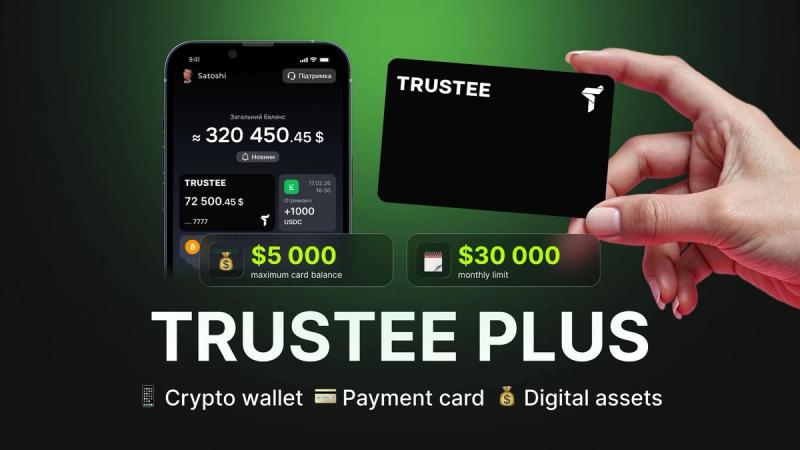
Trustee Plus is built for pure utility and speed. It completely ignores complex trading interfaces, staking requirements, and tokenomics, positioning itself simply as a secure crypto wallet with an integrated payment crypto card. It is the most efficient route from receiving a client's USDT to paying at a checkout terminal.
Technical Specifications & Fees:
- Format: Virtual Visa (fully compatible with Apple Pay and Google Pay).
- Network Support: Extensive support for stablecoin deposits across multiple blockchains, including TRC-20 (Tron), ERC-20 (Ethereum), Polygon, and BEP-20 (Binance Smart Chain). This allows freelancers to choose the network with the lowest gas fees for incoming transactions.
- Costs: The card issuance fee is typically €10. Point-of-sale (POS) and online purchases carry a 0% fee.
- Conversion: There is a flat 0.5% fee when you exchange your crypto (e.g., USDT or USDC) to the card's available fiat balance (EUR).
In addition, Trustee Travel offers a specialized feature for digital nomads by enabling direct crypto payments for premium hotels like Marriott and Ritz-Carlton. By bypassing traditional platforms like Booking or Airbnb, users can save up to 60%, with an extra 4% discount for those paying via the Trustee Plus wallet. This seamless ecosystem eliminates bank limits and complex conversions, delivering instant email confirmations at the best possible rates.
Pros & Cons for Freelancers:
Trustee Plus is ideal because of its simplicity. You do not need to freeze capital in native tokens just to unlock basic features. However, it is strictly a digital product. There is no physical plastic card, and ATM cash withdrawals are not supported. It is strictly designed for contactless POS payments and online subscriptions.
Trustee Plus has earned its well-deserved reputation as one of the best crypto cards through consistently high performance in Incrypted’s technical tests.
2. Crypto.com Visa Card
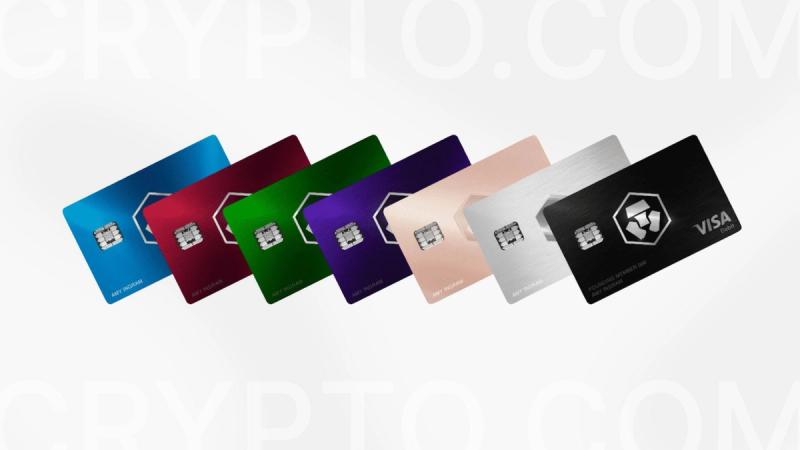
For freelancers who treat crypto not just as a payment method, but as a core part of their financial portfolio, the Crypto.com Visa is the industry heavyweight. It operates on a prepaid model: you sell your crypto for fiat within the app to load the card balance.
Technical Specifications & Fees:
- Format: Premium metal physical cards and virtual cards.
- Tiered System: The card's benefits are directly tied to staking CRO (the platform's native token) for a minimum of 180 days.
- Midnight Blue: No stake required, but offers 0% cashback.
- Ruby Steel: Requires a ~$400 CRO stake, offering 1% cashback and Spotify rebates.
- Jade Green / Royal Indigo: Requires a ~$4,000 CRO stake, offering 2% cashback, plus Spotify and Netflix rebates, and airport lounge access.
- Costs: No monthly maintenance fees. However, users must be aware of the "spread" — the hidden difference between the buy and sell price when converting crypto to fiat in the app.
Pros & Cons for Freelancers:
The Crypto.com card is highly rewarding if you are already an active crypto investor and have the capital to lock up in a CRO stake. It offers high ATM withdrawal limits and excellent travel perks. The downside is the complexity. The rewards program changes frequently, and if the price of the CRO token drops, your staked capital loses value, potentially negating the cashback you earned.
3. Wirex Card
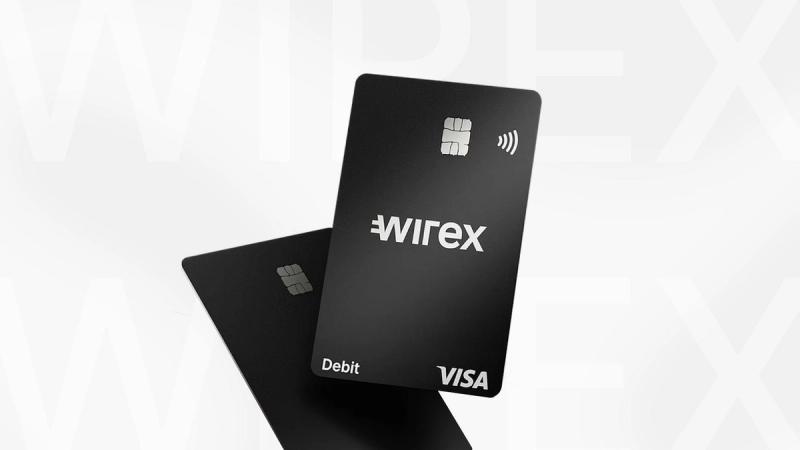
Wirex bridges the gap between decentralized assets and traditional banking infrastructure. It functions simultaneously as a Web3 wallet and a multi-currency fiat account, making it the top choice for freelancers who constantly juggle different national currencies.
Technical Specifications & Fees:
- Format: Physical and virtual Mastercard/Visa options.
- Infrastructure: Wirex provides users with actual traditional banking details (like an IBAN for EUR or a Sort Code for GBP) alongside their crypto wallet addresses.
- Conversion Mechanics: It instantly auto-converts crypto at Over-The-Counter (OTC) rates at the exact moment of purchase. You do not need to manually pre-load a fiat balance.
- Rewards: The "Cryptoback™" program offers up to 8% back in WXT (Wirex Token), depending on your subscription tier (Standard, Premium, or Elite).
Pros & Cons for Freelancers:
Wirex is unmatched for international routing. A consultant can receive USDC from an American client, hold Euros, and spend in British Pounds, all within one app without exorbitant FX (foreign exchange) fees. However, Wirex has strict compliance algorithms. Because it operates heavily in the fiat realm, sudden spikes in incoming crypto volume can trigger manual AML reviews, temporarily pausing account functionality.
How to Protect Your Funds
When using crypto cards, it is vital to remember that the issuing apps are custodial — meaning the platform holds the private keys to your funds. The cryptocurrency industry experiences hundreds of millions of dollars in hacks and protocol exploits annually.
To mitigate risk, professional freelancers use a "hot and cold" strategy. Keep the bulk of your capital in a non-custodial hardware wallet (where you control the seed phrase). Only transfer the exact amount of USDT or USDC you plan to spend in the next few weeks to your Trustee Plus, Crypto.com, or Wirex app. This ensures that even if the platform faces liquidity issues or security breaches, your primary earnings are safe.
Furthermore, remember that to order any of these cards, you must pass standard KYC (Know Your Customer) procedures, including passport verification and proof of residential address.
Real-World Utility: Streamlining Freelance Operations
A crypto card is not just for buying coffee; it is a powerful tool for managing operational cash flow and separating business expenses from personal banking. Here is how technical freelancers deploy them:
- Marketing & Automation Infrastructure: Pay directly for SaaS tools that keep your business running. You can link your virtual crypto card to pay for n8n webhooks, SendPulse automation plans, Google Workspace, or dedicated servers for WooCommerce hosting.
- Tracking and Ad Spend: Digital marketers can link these cards to Meta Conversions API setups, Google Ads accounts, or pay for server-side Google Tag Manager (GTM) hosting straight from their stablecoin revenue.
- Custom Domains & Web Assets: When setting up complex sales funnels, freelancers often buy multiple domains and manually configure landing page identifiers. A crypto card allows you to purchase these digital assets seamlessly.
- Travel & Nomad Expenses: Book flights, secure Airbnb rentals, and pay for coworking spaces globally. Since stablecoins are pegged to the US Dollar, you avoid the double-conversion fees that local bank cards typically charge when processing foreign transactions.
Conclusion
Receiving income in USDT and USDC is the most efficient way to operate in the global freelance market. Crypto cards are the final piece of the puzzle, allowing you to bypass restrictive banking systems and spend your earnings natively.
For maximum simplicity, low fees, and immediate spending power, Trustee Plus is the most efficient choice. If you want to optimize for cashback and do not mind staking capital, the Crypto.com Visa provides the strongest rewards ecosystem. For digital nomads managing cross-border fiat alongside crypto, Wirex offers the most robust multi-currency infrastructure. Choose the tool that best aligns with your spending habits, and always prioritize the security of your core assets.


You May Also Like

Bitcoin treasury sell-off accelerates as Riot, Bhutan, and public companies exit positions

XLM Price Breaks $0.21: Dip to $0.15 Coming Before Next Leg?

PMI-ACP Exam Preparation: How to Use a Simulator and Practice Questions Effectively