Gold Slips Toward $4,000 as Persistent Inflation Data Bolsters Higher Rate Expectations
BitcoinWorld
Gold Slips Toward $4,000 as Persistent Inflation Data Bolsters Higher Rate Expectations
Gold prices edged lower in early trading, approaching the psychologically significant $4,000 mark, as fresh economic data reinforced the view that inflation remains stubbornly persistent. This development has strengthened expectations that central banks, particularly the U.S. Federal Reserve, will maintain or even increase interest rates for a longer period than previously anticipated.
Inflation Data Fuels Rate Outlook
The latest consumer price index figures, released earlier this week, showed a month-over-month increase that exceeded analyst forecasts. Core inflation, which excludes volatile food and energy prices, also remained elevated, signaling that the fight against rising prices is far from over. For gold, a non-yielding asset, higher interest rates increase the opportunity cost of holding it compared to yield-bearing instruments like bonds, exerting downward pressure on its price.
Market Reaction and Technical Levels
The precious metal has retreated from recent highs, with traders closely watching the $3,950 to $4,000 range as a key support zone. A decisive break below this level could open the door for further declines toward the $3,900 mark, according to some market analysts. Trading volumes have been elevated, reflecting heightened uncertainty among investors about the direction of monetary policy.
Implications for Investors
For long-term holders, the current pullback may present a buying opportunity, particularly if they view gold as a hedge against long-term inflation or currency debasement. However, short-term traders are likely to remain cautious until there is greater clarity on the Fed’s next move. The broader macroeconomic backdrop, including geopolitical tensions and global economic growth concerns, continues to provide underlying support for gold, but the immediate headwind from rate expectations is proving formidable.
Conclusion
Gold’s decline toward $4,000 reflects the market’s repricing of interest rate expectations in response to persistent inflation. While the long-term outlook for the precious metal remains supported by structural factors, the near-term path is increasingly tied to upcoming economic data and central bank communications. Investors should monitor these developments closely as they assess their portfolio allocations.
FAQs
Q1: Why does gold fall when interest rates rise?
Gold offers no yield, so when interest rates rise, investors can earn more from bonds and savings accounts. This increases the opportunity cost of holding gold, making it less attractive compared to interest-bearing assets.
Q2: Is $4,000 a key support level for gold?
Yes, the $4,000 level is both a psychological and technical support zone. A sustained break below it could trigger further selling, while holding above it may attract buyers looking for a bargain.
Q3: Should I buy gold during a price decline?
It depends on your investment horizon and risk tolerance. Long-term investors may view dips as buying opportunities, especially if they believe inflation will remain high. Short-term traders should be cautious and wait for clearer signals on interest rate direction.
This post Gold Slips Toward $4,000 as Persistent Inflation Data Bolsters Higher Rate Expectations first appeared on BitcoinWorld.


You May Also Like
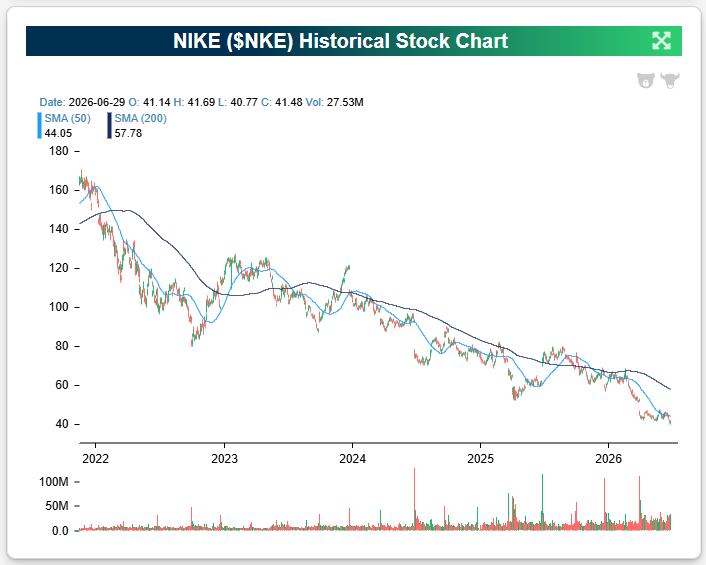
Nike (NKE) – Can the Swoosh Recover?

How a deepfake of Marco Rubio exposed the alarming ease of AI voice scams