Will Ripple be publicly traded? — Will Ripple be publicly traded?
Use this guide as a clear, evidence-based reference. It focuses on facts available through early 2026 and gives straightforward steps to verify any future announcement. It does not make predictions or offer investment advice.
Quick answer: ripple shares price and whether Ripple is publicly traded
One-sentence summary: As of January 2026, Ripple the company has not filed a Form S-1 or listed company shares, and references to ripple shares price usually point to XRP token markets rather than equity.
What this article will and will not cover
This piece explains the difference between XRP market quotes and any hypothetical Ripple equity listing, and it lays out the legal and corporate signals to watch if you want to follow ripple shares price expectations. It does not predict timing or give investment advice.
You will find a plain-language summary of the SEC action that shapes IPO prospects, how a 2023 court ruling changed part of the case, what company leaders have said, and a checklist of concrete indicators to monitor.
What people mean when they search for ripple shares price
Typical search intent breakdown
People typing ripple shares price into search usually mean one of three things: they want the current XRP token price on a crypto market, they are asking if Ripple the company has publicly traded stock, or they are looking for speculative IPO valuation or timing estimates. The most common intent is simply checking the token price on exchanges.
Because the phrasing mixes the company name and the word shares, results can show a mix of crypto price charts, news stories about regulatory developments, and analyst commentary about a possible Ripple IPO. That mix creates confusion for people who expect a single, clear company share price.
A simple monitoring checklist for signals that indicate IPO readiness
Check primary sources like EDGAR and company releases
How token prices and equity prices show up in search results
Search engines surface live XRP market feeds from crypto exchanges alongside news about Ripple and the SEC case. When an article mentions ripple shares price it often links token charts or market-cap pages, which reflect XRP trading rather than an equity valuation. For broader context see our crypto coverage.
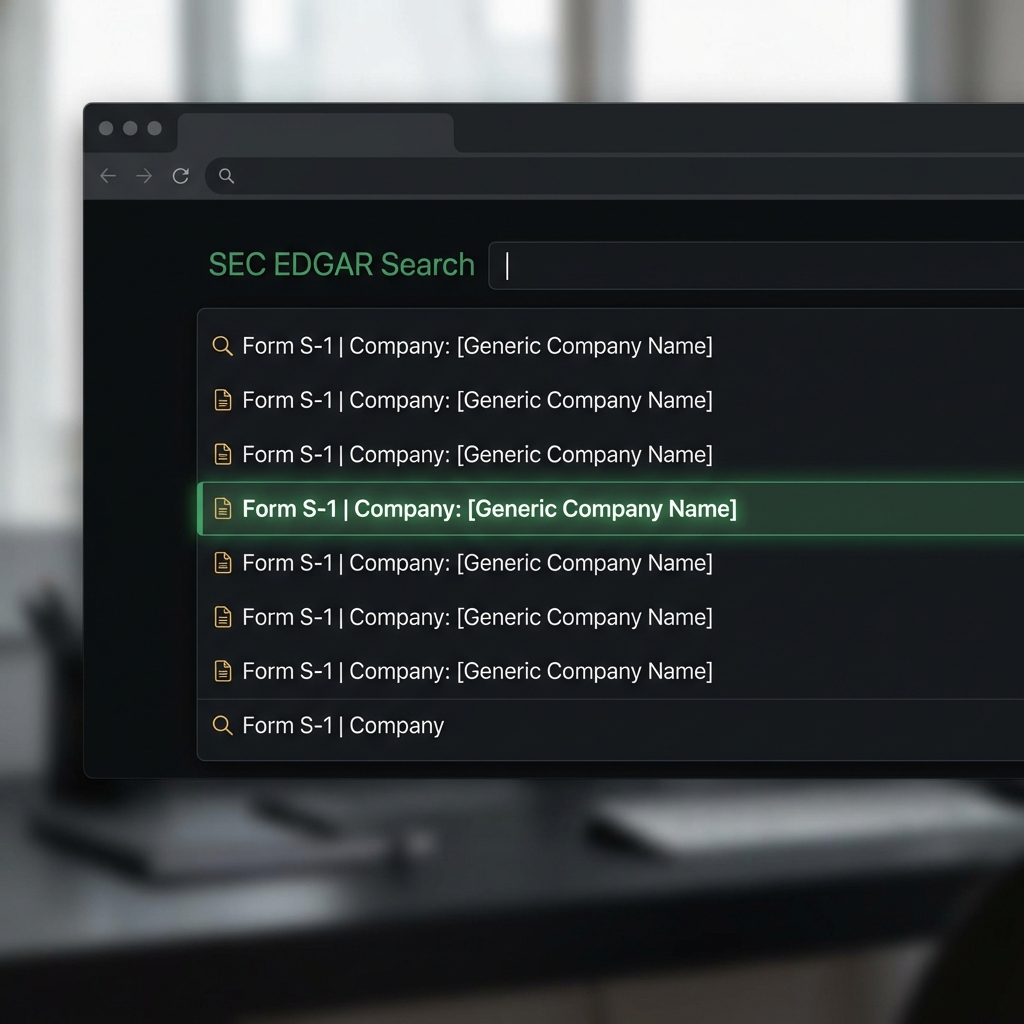
To tell the difference, look for terms like Form S-1, SEC registration, or a stock exchange ticker symbol versus words such as ledger, token, or crypto exchange. A result that shows exchange listings and token pairs is reporting XRP market data, not a company share price.

How XRP trading differs from a Ripple IPO
Asset types: token versus stock
XRP is a digital token that trades on crypto venues and is priced by supply and demand across those platforms, while company shares represent ownership in a firm that would trade on regulated stock markets if listed. The two are distinct asset types with different legal, tax, and custody considerations.
When people conflate ripple shares price with XRP, they overlook that tokens and shares have separate issuance processes, reporting requirements, and investor protections. That separation is why seeing an XRP price does not mean a public Ripple equity price exists.
When people conflate ripple shares price with XRP, they overlook that tokens and shares have separate issuance processes, reporting requirements, and investor protections. That separation is why seeing an XRP price does not mean a public Ripple equity price exists.
Where each trades and how value is set
Tokens like XRP trade on crypto exchanges and on decentralized venues where market liquidity and order books set the price in real time. By contrast, public company shares trade on stock exchanges and their prices reflect investor expectations about future profits, dividends, and regulated disclosures.
Practical differences matter: public companies file audited financials, follow reporting rules, and have governance structures that are reviewed by regulators. Token markets do not provide the same reporting, which is one reason searches for ripple shares price can give misleading results for people expecting traditional equity information.
Advertise with FinancePolice to reach readers interested in finance topics
Sign up for simple monitoring guidance and a checklist if you want clear alerts when primary signals appear for a potential Ripple listing.
See advertising options
The SEC case that still shapes Ripple’s IPO prospects
Background of the 2020 SEC complaint
In December 2020 the U.S. Securities and Exchange Commission brought an enforcement action alleging that Ripple and two executives conducted an unregistered securities offering, a complaint that remains the foundational regulatory hurdle for any potential Ripple IPO, because unresolved securities claims affect how regulators and investors view a public listing SEC press release.
An active enforcement matter creates disclosure and legal-risk questions a company must address before filing an S-1, and it affects how underwriters, auditors, and regulators evaluate a proposed listing. For that reason the SEC action is central to discussions about ripple ipo prospects.
Why the case matters for any public listing
A securities enforcement case can shape the required disclosures in an S-1 and influence whether underwriters will support an offering. Unclear legal status around token sales or company conduct can delay filings or make a company change governance and reporting practices before any registration.
Because the SEC complaint is unresolved in material ways as of early 2026, it remains a key factor for anyone watching ripple shares price expectations tied to an IPO plan. For official regulatory material consult the SEC task force letter here.
What the July 2023 partial ruling changed – and what it did not
Key points from the district court decision
A July 2023 district court decision narrowed the SEC’s case by finding that some XRP sales were not securities offerings while others were, a mixed outcome that altered the securities-law analysis but did not fully resolve all claims or appellate questions Reuters coverage of the decision.
That partial ruling changed how courts and regulators look at past sales, but it left open questions that could travel to an appeal or a settlement, and those unresolved elements keep significant regulatory uncertainty in place for any Ripple filing.
Remaining uncertainties after the ruling
Even with the partial ruling, appellate review or settlement terms could change legal conclusions and the practical conditions for a public listing. The decision did not provide a clean, company-level green light for an IPO.
Investors and observers should treat the 2023 ruling as an important development that reduced some legal exposure but did not remove the need for definitive resolution before a firm would typically proceed with an S-1 filing.
What Ripple’s leadership has said about going public
Public statements and repeated themes
Ripple executives have said that a public listing would depend on regulatory clarity and corporate readiness, with comments repeating that an IPO is contingent on resolving legal uncertainty rather than being on a set timetable Ripple statement on the litigation decision.
Company leaders often link timing to legal outcomes and governance steps, which is typical for firms facing ongoing regulatory matters. That framing means executive commentary should be read as conditional guidance rather than a scheduled IPO announcement.
How executive comments should be interpreted
Public statements about potential listings commonly tie readiness to audited financials, board decisions, and regulatory outcomes. In Ripple’s case the leadership comments emphasize those dependencies and suggest a measured approach to any ripple ipo plan.
For readers, this means treating executive remarks as one signal among several; direct SEC filings and formal governance notices carry more weight than speculative commentary.
Concrete indicators to watch if you want to follow ripple shares price expectations
Regulatory and filing signals
The clearest sign that a company is preparing to list is a Form S-1 or similar SEC registration filing. Other high-value signals include explicit board resolutions on listing plans and public disclosures that name underwriters or advisors, because those steps move a company from speculation toward actual offering mechanics Bloomberg analysis of IPO prospects.
Tracking the SEC EDGAR system is the most reliable way to see a registration filing. Press releases and governance filings add context but are not substitutes for official registration documents. You can also track related investing coverage on our investing category.
As of January 2026, Ripple has not filed an S-1 or listed company shares publicly; whether it will go public depends on legal resolution, corporate readiness, and formal SEC filings.
Corporate governance and market signals
Changes such as appointing independent directors, adopting public-company governance practices, or disclosing audited financial statements are practical preparatory steps that often precede an S-1.
Clear executive statements that go beyond conditional language and name a filing timeframe, along with filings on EDGAR, are the strongest combination of signals that an IPO is likely to proceed.
How a settlement or appellate result could change listing plans
Possible settlement terms that affect IPO timing
A settlement that clarifies which token sales are securities or establishes specific controls could reduce legal uncertainty and make SEC review of a registration filing more straightforward. Settlement terms sometimes include covenants or reporting requirements that affect timing and structure for a possible public offering Perkins Coie analysis.
If a settlement imposes conditions on token sales or transfers, Ripple might need additional governance or disclosure changes before filing an S-1, which could delay any listing even if the legal risk itself is lower.
What appellate outcomes could resolve
An appellate decision that affirms or reverses parts of the district court ruling could reframe the legal landscape for token-related sales and their classification under securities law, and a final ruling often reduces uncertainty that companies need to quantify before offering shares to the public.
Whatever the appellate outcome, readers should look for official filings and thorough reporting that translate legal results into practical effects for a potential Ripple IPO.
Corporate steps Ripple might take before filing for an IPO
Governance changes and financial reporting
Companies preparing to go public typically adopt public-company governance standards, appoint independent directors, and produce several years of audited financial statements that meet SEC requirements, steps Ripple may consider as it assesses an IPO path Legal analysis of pre-IPO requirements.
Those changes increase transparency for potential investors and reduce procedural barriers during SEC review, but they do not by themselves confirm that a company will file an S-1.
Possible entity or structural changes
Some firms restructure subsidiaries or change corporate entities before an IPO to clarify revenue streams, contracts, or legal exposure. If Ripple pursued similar steps, observers would likely see governance filings and detailed press disclosures describing the changes.
Structural moves can be diagnostic: they show the company is aligning its organization with public reporting needs, but they remain preparatory and not definitive proof of an imminent listing.
How analysts and the financial press have framed Ripple’s IPO timing
Range of media perspectives
Industry coverage in 2024 and 2025 generally treated an IPO as plausible only after clear legal resolution, and different outlets produced a range of timing estimates that remain speculative without filings or official company announcements CoinDesk analysis. You can also see recent reporting on developments for Ripple in a Yahoo article here and a Nasdaq perspective here.
Analysts differ because some place more weight on legal progress, while others focus on market readiness or corporate strategy. That variation explains why media timelines can appear inconsistent.
Why timing estimates vary
Estimating an IPO date requires assumptions about legal outcomes, internal readiness, and market conditions. Because those factors are uncertain for Ripple as of early 2026, press estimates should be seen as conditional scenarios rather than firm schedules.
For practical monitoring, prioritize direct evidence like an S-1 filing over speculative calendar-based predictions from press coverage. For market context and price movement patterns, see our bitcoin price analysis for how crypto reporting differs from equity coverage.
Common misunderstandings readers make about ripple shares price
Mistaking XRP price for company valuation
One frequent error is equating XRP market moves with a company valuation for Ripple. Token prices reflect trading activity in crypto markets and do not directly measure company equity value or revenue expectations.
Until a Form S-1 or a registration appears, there is no public equity price for Ripple, and token price movements should not be interpreted as company share performance.
Assuming an IPO is imminent after any positive news
Another common mistake is to treat upbeat legal developments or executive comments as confirmation an IPO is near. Company leaders may express optimism while still tying any listing to further legal clarity, which means positive news can increase plausibility without making an offering immediate Ripple statement.
A useful rule is to wait for an S-1 filing or explicit registration steps before treating an IPO as actionable news.
Practical checklist: how to monitor news and filings about Ripple going public
Daily and weekly monitoring steps
1) Check SEC EDGAR for a Form S-1 or other registration documents. 2) Watch Ripple press releases and official blog posts for governance or auditor disclosures. 3) Monitor appellate and settlement news in the financial press for legal resolution signals Bloomberg guide to monitoring.
Set a weekly routine for checking EDGAR and a news alert for company statements. Primary sources like filings are the strongest signals; secondary coverage helps with context but should not replace the filings themselves.
Reliable sources and verification steps
Use primary sources such as the SEC EDGAR database and official Ripple statements for verification. When you see reporting about a potential listing, look for direct citations of filings or corporate notices before accepting speculation as fact.
Remember that changes in the SEC case, governance filings, or a formal S-1 are the events that move a story from possibility to likelihood.
Conclusion: current status and sensible next steps for readers
Bottom-line takeaways
As of January 2026, Ripple had not filed a Form S-1 or listed company shares publicly, and references to ripple shares price usually point to XRP token markets rather than an equity listing. Monitor SEC filings and official company releases to verify any change in status Ripple statement.
Key indicators to watch are an S-1 filing on EDGAR, clear governance changes, detailed audited financial disclosures, and any final appellate or settlement results that resolve material legal questions.
Key indicators to watch are an S-1 filing on EDGAR, clear governance changes, detailed audited financial disclosures, and any final appellate or settlement results that resolve material legal questions.
Where to check next
For direct verification, search the SEC EDGAR system for a Form S-1, subscribe to Ripple press releases, and follow reputable financial reporting that cites primary documents. Treat press speculation as context but rely on filings for confirmation.
Use this guide as a starting point to separate token price noise from company-level signals and to set up a simple monitoring routine that prioritizes primary sources.
No. As of January 2026, Ripple the company has not filed a Form S-1 or listed shares on a public exchange.
No. XRP is a digital token traded on crypto markets and is not company equity; it does not represent ownership in Ripple.
Monitor SEC EDGAR for an S-1, Ripple press releases, governance changes, and any final appellate or settlement outcomes related to the SEC case.
FinancePolice aims to reduce confusion and help readers verify claims with reliable sources. Keep watch on filings and statements, and update your view only when you see an S-1 or equivalent registration documents.
References
- https://financepolice.com/advertise/
- https://financepolice.com/category/crypto/
- https://financepolice.com/category/investing/
- https://financepolice.com/bitcoin-price-analysis-btc-starts-2026-with-a-whimper-drops-below-88000/
- https://www.sec.gov/news/press-release/2020-338
- https://www.sec.gov/files/tgg-sec-crypto-task-force-letter-012626.pdf
- https://www.reuters.com/technology/us-judge-rules-cryptocurrency-xrp-not-security-2023-07-13/
- https://ripple.com/insights/ripple-statement-on-sec-litigation-decision/
- https://www.bloomberg.com/news/articles/2025-06-15/ripple-ipo-prospects-after-sec-milestones
- https://www.perkinscoie.com/en/news-insights/2024/08/legal-implications-of-ripple-litigation-for-token-offerings-and-public-listings.html
- https://www.coindesk.com/business/2024/10/01/ripple-ipo-what-to-expect/
- https://finance.yahoo.com/news/ripple-us-banking-license-market-160147193.html
- https://www.nasdaq.com/articles/my-2026-prediction-xrp-ripple-might-shock-you
You May Also Like

Crypto Shows Mixed Reaction To Rate Cuts and Powell’s Speech

US Cryptocurrency Stocks Face Decline Amid Market Volatility