

WTI Crude Oil Surges as Hormuz Tensions Escalate and Ghalibaf Exit Rumors Cloud US-Iran Talks
BitcoinWorld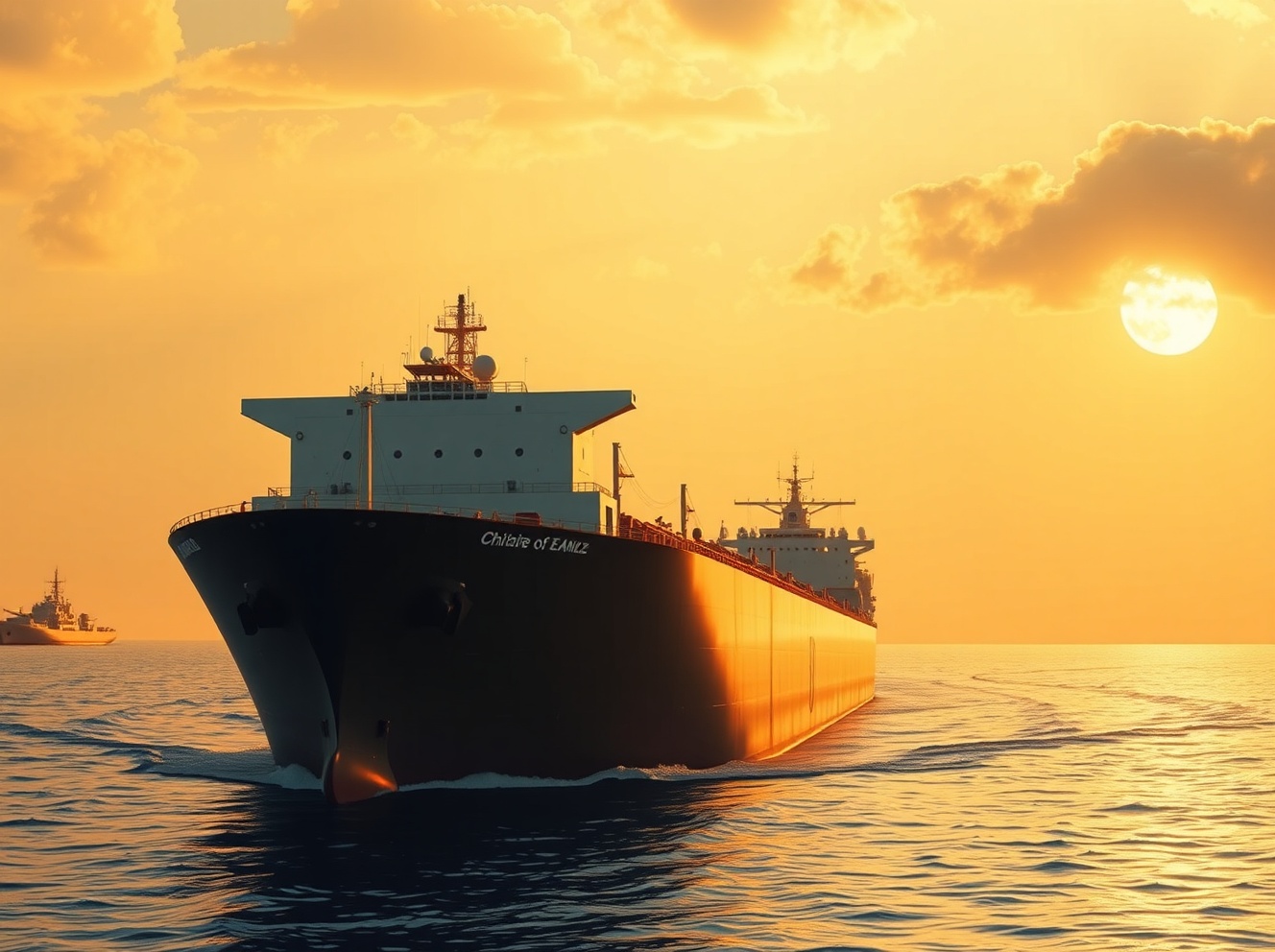
WTI Crude Oil Surges as Hormuz Tensions Escalate and Ghalibaf Exit Rumors Cloud US-Iran Talks
WTI crude oil prices climbed sharply on Monday as escalating tensions in the Strait of Hormuz and swirling rumors about Iranian Parliament Speaker Mohammad Bagher Ghalibaf’s potential exit from the political scene added fresh uncertainty to already fragile US-Iran nuclear talks. The benchmark West Texas Intermediate crude rose over 3% in early trading, breaching the $82 per barrel mark before settling near $81.50.
Hormuz Tensions Drive WTI Crude Oil Rally
The Strait of Hormuz, a critical chokepoint for global oil shipments, remains at the center of market anxiety. Recent reports indicate that Iranian naval forces conducted unannounced drills near the strait, raising fears of supply disruptions. Approximately 20% of the world’s oil passes through this narrow waterway. Any blockade or military confrontation could send WTI crude oil prices skyrocketing.
Market analysts point to a series of incidents over the past week. On Saturday, a commercial tanker reported a near-miss with an Iranian patrol vessel. This event triggered immediate buying in futures markets. Traders now price in a risk premium of $5 to $7 per barrel for WTI crude oil.
- Key factor: Unannounced Iranian naval drills near the Strait of Hormuz.
- Market reaction: WTI crude oil futures surged 3.2% in early trading.
- Supply risk: Any disruption could remove 17 million barrels per day from global markets.
Ghalibaf Exit Rumors Add Political Instability
Adding to the complexity, unconfirmed reports emerged from Tehran suggesting that Mohammad Bagher Ghalibaf may resign as Speaker of the Iranian Parliament. Ghalibaf, a key conservative figure, has been a central player in Iran’s nuclear negotiations. His potential departure could signal a shift in Iran’s negotiating stance.
These rumors surfaced just as US and Iranian diplomats prepared for a new round of talks in Vienna. The talks aim to revive the 2015 Joint Comprehensive Plan of Action (JCPOA). However, the combination of military posturing in Hormuz and political uncertainty in Tehran undermines confidence in a diplomatic breakthrough.
Energy analysts warn that the dual pressures could keep WTI crude oil elevated for weeks. “The market is pricing in a worst-case scenario,” said Dr. Elena Marchetti, a geopolitical risk analyst at Global Energy Insights. “If Ghalibaf exits, hardliners may gain more influence. This reduces the chances of a nuclear deal and increases the risk of a Hormuz closure.”
Timeline of Key Events
Understanding the sequence of events helps clarify the current market dynamics:
| Date | Event | Impact on WTI Crude Oil |
|---|---|---|
| October 12 | Iranian naval drills announced near Hormuz | +1.5% |
| October 13 | Commercial tanker near-miss incident | +2.0% |
| October 14 | Ghalibaf exit rumors surface | +0.8% |
| October 15 | US-Iran talks postponed | +1.2% |
US-Iran Talks Face New Hurdles
The US-Iran talks, already stalled over uranium enrichment levels, now face additional complications. The Biden administration has pushed for a swift agreement to curb Iran’s nuclear program. However, Iran’s leadership appears divided between moderates and hardliners.
Ghalibaf’s rumored exit could tip the balance toward hardliners. This group opposes any deal that does not include full sanctions relief. They also advocate for a more aggressive military posture in the Persian Gulf. Such a stance directly threatens WTI crude oil supply routes.
Meanwhile, the US has reinforced its naval presence in the region. The USS Dwight D. Eisenhower carrier strike group now patrols the Arabian Sea. This show of force aims to deter any Iranian blockade. Yet, it also risks accidental escalation.
“The situation is a powder keg,” noted retired Admiral James Thornton, a former US Navy commander in the region. “Both sides are signaling strength. But in a confined waterway like Hormuz, miscalculations happen fast.”
Global Oil Market Implications
The ripple effects extend beyond WTI crude oil. Brent crude, the international benchmark, also rose above $87 per barrel. Asian and European refineries, heavily reliant on Middle Eastern crude, face higher input costs.
Major oil-consuming nations, including India and Japan, have urged restraint. They fear that sustained high oil prices could derail their economic recoveries. The International Energy Agency (IEA) has warned that a Hormuz closure could trigger a global recession.
- Brent crude: Up 2.8% to $87.20 per barrel.
- Gasoline futures: Rose 2.1% on supply concerns.
- Heating oil: Increased 1.9% as winter demand approaches.
OPEC+ has so far resisted calls to boost production. The cartel’s next meeting is scheduled for November 1. Analysts expect the group to maintain current quotas, citing uncertainty over demand.
Expert Analysis: Why This Time Is Different
Unlike previous Hormuz crises, the current situation combines military, political, and diplomatic factors. In 2019, drone attacks on Saudi Aramco facilities spiked prices temporarily. But that event lacked the sustained political dimension of the Ghalibaf rumors.
“We are seeing a convergence of risks,” said Sarah Al-Hashimi, an energy economist at the Gulf Research Center. “Military drills alone would not sustain a rally. But when you add leadership uncertainty in Tehran and stalled talks, the market stays nervous.”
Data from the US Energy Information Administration (EIA) shows that US crude oil inventories fell by 4.1 million barrels last week. This decline, combined with geopolitical risks, supports higher WTI crude oil prices.
Market Outlook for WTI Crude Oil
Short-term, WTI crude oil could test the $85 resistance level. A clear breakout above this point would signal further upside. However, any diplomatic breakthrough could trigger a sharp sell-off.
Traders should watch for:
- Official confirmation of Ghalibaf’s status.
- Next round of US-Iran talks in Vienna.
- OPEC+ production decisions on November 1.
- US inventory data released every Wednesday.
Options markets show elevated implied volatility. This suggests traders expect large price swings. The risk-reward ratio favors hedging strategies for oil-dependent industries.
Conclusion
WTI crude oil prices have surged as Hormuz tensions escalate and Ghalibaf exit rumors cloud US-Iran talks. The combination of military posturing, political uncertainty, and stalled diplomacy creates a volatile environment for energy markets. Traders and policymakers must prepare for extended price pressure. Any resolution remains contingent on clear signals from Tehran and Washington. Until then, the risk premium on WTI crude oil will likely persist, impacting global supply chains and economic stability.
FAQs
Q1: Why did WTI crude oil prices rise today?
A: WTI crude oil prices rose due to escalating tensions in the Strait of Hormuz and rumors about Iranian Parliament Speaker Ghalibaf’s potential exit, which added uncertainty to US-Iran talks.
Q2: How does the Strait of Hormuz affect global oil prices?
A: The Strait of Hormuz is a critical chokepoint where about 20% of global oil passes. Any disruption or threat of closure can spike oil prices, including WTI crude oil.
Q3: What are the Ghalibaf exit rumors?
A: Unconfirmed reports suggest that Iranian Parliament Speaker Mohammad Bagher Ghalibaf may resign. His departure could shift Iran’s nuclear negotiating stance toward hardliners, increasing geopolitical risk.
Q4: Could US-Iran talks stabilize oil prices?
A: Yes, a successful nuclear deal could reduce tensions and lower the risk premium on WTI crude oil. However, current talks face hurdles from military drills and political uncertainty.
Q5: What should investors do amid this volatility?
A: Investors should consider hedging strategies, monitor official statements from Tehran and Washington, and watch key levels like $85 for WTI crude oil. Options markets suggest continued volatility.
This post WTI Crude Oil Surges as Hormuz Tensions Escalate and Ghalibaf Exit Rumors Cloud US-Iran Talks first appeared on BitcoinWorld.


You May Also Like

Gold retreats from highs as Trump remarks boost USD, yields

Cardano Price Review: Can ADA Reach $1 by 2028?




