

NYSE 24/7 Trading: The Revolutionary Leap into On-Chain Tokenization
BitcoinWorld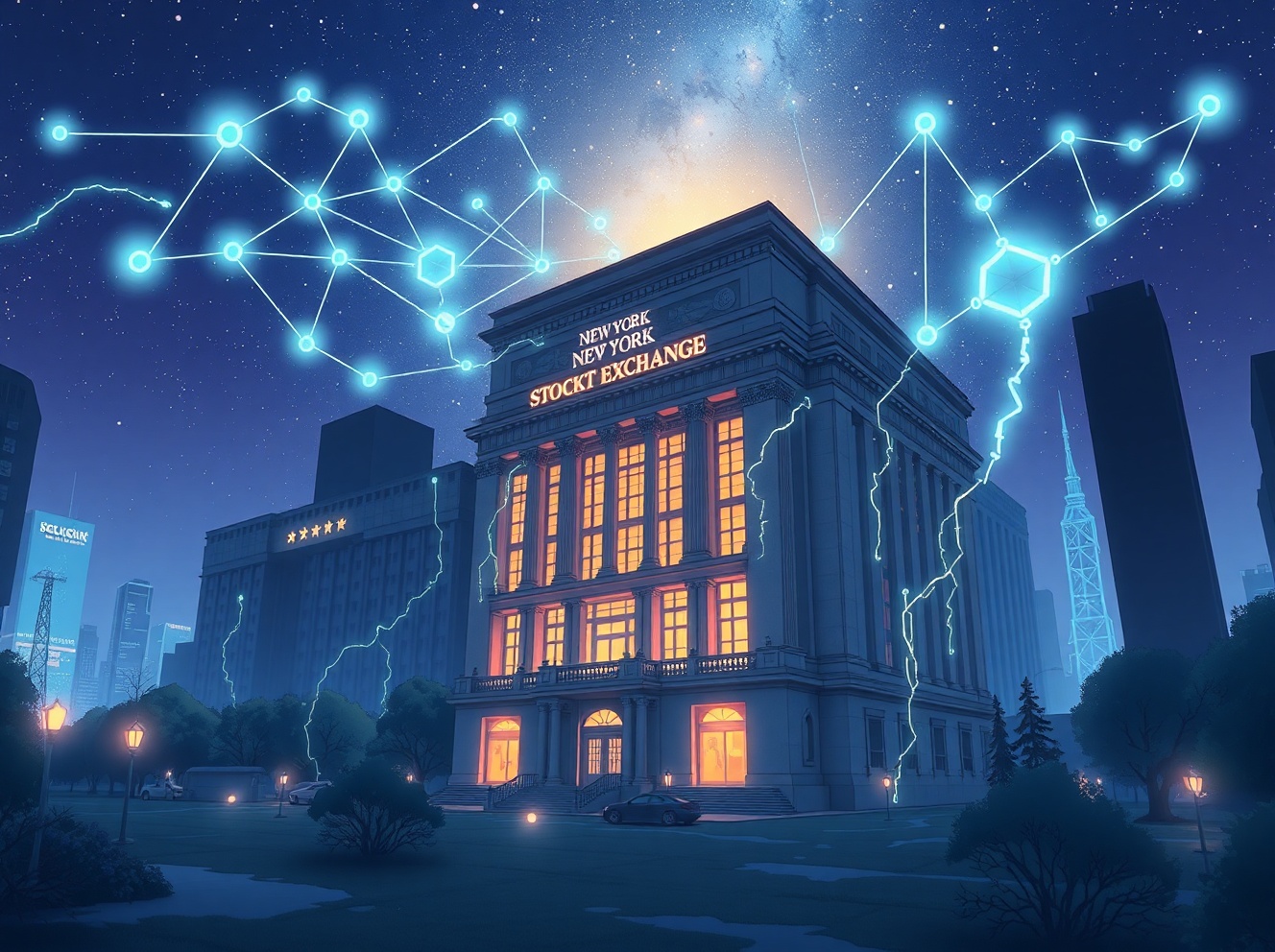
NYSE 24/7 Trading: The Revolutionary Leap into On-Chain Tokenization
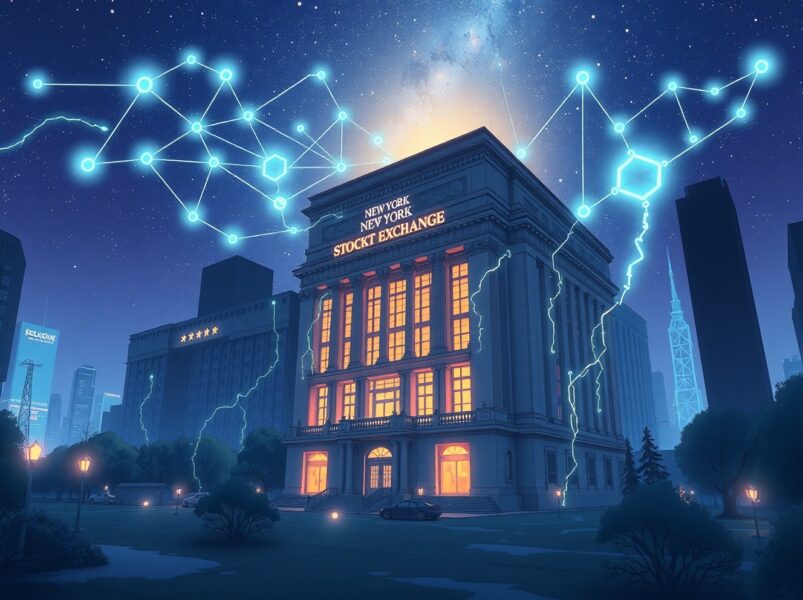
In a landmark announcement poised to redefine global finance, the New York Stock Exchange (NYSE) has revealed plans to introduce 24/7 trading of U.S. equities through a novel on-chain tokenization platform. This strategic move, first reported by Watcher.Guru, signals the most significant structural shift in traditional equity markets in decades, effectively merging the legacy world of Wall Street with the persistent, decentralized nature of blockchain technology. Consequently, the iconic trading floor may soon never close, enabling continuous capital flow in a digital-first financial ecosystem.
Decoding the NYSE 24/7 Trading Initiative
The core of the NYSE’s plan involves creating a parallel, digitally-native marketplace. Here, traditional stocks will be represented as digital tokens on a blockchain. Each token will correspond to a share in a publicly traded company, granting the holder identical economic rights. However, the settlement and ownership record will exist on a distributed ledger. This foundational shift from a centralized database to a transparent, immutable chain enables the proposed around-the-clock trading model. Traditional market hours, a fixture since 1792, have long been a constraint for global investors reacting to news and events in different time zones. Therefore, this initiative directly addresses the demand for continuous liquidity and accessibility in an increasingly interconnected world.
Industry analysts immediately recognized the profound implications. “This is not merely a new trading venue; it’s a re-architecting of market infrastructure,” noted a report from the Deloitte Center for Financial Services. The move follows years of experimentation with digital assets by major financial institutions. For instance, the Depository Trust & Clearing Corporation (DTCC) has extensively piloted blockchain for settlement. Similarly, giants like BlackRock have launched tokenized asset funds. The NYSE’s entry, however, brings unprecedented scale and legitimacy to the concept of tokenized traditional securities.
The Technical and Regulatory Pathway
Implementing this vision requires navigating a complex web of technical and regulatory challenges. The NYSE will likely partner with established blockchain infrastructure providers or develop a proprietary, permissioned ledger. This system must guarantee security, scalability to handle massive volume, and seamless integration with existing clearing and custody systems. Crucially, the exchange must work in lockstep with the Securities and Exchange Commission (SEC) to ensure full compliance. Regulatory frameworks for digital asset securities are still evolving, but the NYSE’s established relationship with regulators provides a significant advantage. A phased rollout, perhaps starting with a select group of highly liquid ETFs or mega-cap stocks, is considered the most probable approach by compliance experts.
The Transformative Impact of On-Chain Tokenization
Tokenization—the process of converting rights to an asset into a digital token on a blockchain—unlocks several key advantages for equity markets. Firstly, it promises near-instantaneous settlement (T+0), eliminating the current T+2 standard and significantly reducing counterparty risk and capital requirements for brokers. Secondly, blockchain’s inherent transparency provides a clear, auditable trail of ownership, potentially reducing errors and fraud. Thirdly, it enables fractional ownership of high-priced stocks with greater ease, further democratizing market access.
The following table contrasts key features of the traditional model versus the proposed tokenized model:
| Feature | Traditional NYSE Trading | Proposed On-Chain Tokenized Trading |
|---|---|---|
| Market Hours | 9:30 AM – 4:00 PM ET, Weekdays | 24 hours a day, 7 days a week |
| Settlement Cycle | T+2 (Trade Date plus 2 days) | Potential for T+0 or near-instant settlement |
| Ownership Record | Centralized ledger (DTCC) | Distributed, immutable blockchain ledger |
| Access & Fractionalization | Limited by broker platforms | Enhanced, programmable fractional shares |
| Transparency | Post-trade reporting | Near-real-time, auditable transaction history |
Market structure will inevitably evolve. Traditional market makers and liquidity providers must adapt their algorithms and risk models for a non-stop environment. Furthermore, the concept of opening and closing auctions becomes obsolete, replaced by continuous price discovery. This could reduce opening volatility but introduces new dynamics for managing news-driven price gaps.
Global Context and Competitive Pressure
The NYSE’s decision does not exist in a vacuum. Globally, other exchanges are aggressively exploring digital asset avenues. For example, the Singapore Exchange (SGX) has partnered with Linklogis for digital asset capabilities. Similarly, the Swiss Digital Exchange (SDX) operates a fully regulated platform for digital securities. In the United States, competitors like Cboe and Nasdaq are also deeply invested in blockchain and digital asset technology. The NYSE’s announcement is a decisive move to maintain its historic leadership and capture first-mover advantage in the tokenization of mainstream equities. This competition ultimately accelerates innovation, benefiting the entire financial ecosystem through improved efficiency and reduced costs.
Simultaneously, the rise of decentralized finance (DeFi) protocols, which already offer 24/7 trading of crypto-assets, has demonstrated investor appetite for continuous markets. The NYSE initiative can be seen as a strategic response to this growing alternative ecosystem, aiming to bring its trust, regulation, and vast asset base to a similar technological model. By integrating tokenization, the NYSE bridges the gap between TradFi and DeFi, potentially onboarding a new generation of investors familiar with digital wallets and blockchain interfaces.
Expert Analysis on Market Evolution
Financial historians draw parallels to the advent of electronic trading. “The move from floor-based to screen-based trading was a revolution in access and speed. Tokenization and 24/7 markets represent the next logical, yet profound, evolution,” stated Dr. Elena Torres, a finance professor at Columbia University. She emphasizes that the core functions of capital formation and price discovery remain, but the mechanisms become infinitely more efficient and inclusive. Major asset managers like Fidelity and Vanguard are closely monitoring these developments, as tokenization could streamline their massive back-office operations and fund distribution channels. Their participation will be critical for the liquidity and success of any new tokenized platform.
Conclusion
The NYSE’s plan for 24/7 trading via on-chain tokenization marks a pivotal moment in financial history. It represents a conscious evolution of the world’s largest stock exchange to meet the technological and behavioral demands of the future. While significant operational and regulatory hurdles remain, the direction is clear: financial markets are moving toward greater digitization, transparency, and constant availability. This initiative promises to enhance liquidity, reduce systemic risk, and democratize access, fundamentally reshaping how the world invests. The success of the NYSE 24/7 trading model will likely set the standard for global markets, heralding a new era of seamless, integrated finance.
FAQs
Q1: What does “on-chain tokenization” mean for NYSE stocks?
On-chain tokenization means each NYSE-listed share would be digitally represented as a token on a blockchain. This token acts as a digital certificate of ownership, with all transactions recorded on a secure, distributed ledger instead of solely in a traditional centralized database.
Q2: Will 24/7 trading replace the current NYSE market hours?
Initially, it is expected to operate as a parallel market. The traditional 9:30 AM to 4:00 PM ET trading session will likely continue, with the tokenized platform offering extended, continuous trading. Over time, liquidity may naturally migrate toward the 24/7 venue.
Q3: Is tokenized stock trading on the NYSE safe and regulated?
The NYSE has stated it will work within the full regulatory framework of the SEC. A permissioned blockchain with strict access controls and adherence to existing securities laws (like KYC/AML) is anticipated, aiming to provide security and investor protection comparable to traditional markets.
Q4: How will 24/7 trading affect stock price volatility?
Continuous trading could smooth out volatility caused by overnight news, as prices adjust incrementally. However, it also means markets can react instantly to events at any time, requiring new risk management tools for investors and market makers.
Q5: Can retail investors participate in the NYSE’s tokenized trading?
Yes, that is a primary goal. The platform is designed to be accessible through approved broker-dealers. The technology may also make fractional share investing more efficient, potentially lowering barriers to entry for retail investors.
This post NYSE 24/7 Trading: The Revolutionary Leap into On-Chain Tokenization first appeared on BitcoinWorld.
You May Also Like

Is Doge Losing Steam As Traders Choose Pepeto For The Best Crypto Investment?

Seeker (SKR) will soon be listed on Bybit Spot, Alpha, and Byreal.
