

How Does AI Transform Sales Funnels? A Guide on Optimizing Your Important Marketing Tool
In competitive markets, traditional sales funnels fall short. Buyers now expect quick responses, personalised interactions, and relevant experiences when they shop online.
Combining AI, customer data, and machine learning can make modern funnels smarter, faster, and more revenue-generating. These seven ways show how AI can turn sales funnels into a powerhouse that attracts and engages customers.
1. Enhances lead generation and qualification.
Poor lead quality is a big weakness of the current sales process. When you know how to build sales funnels with an AI tool, you can improve lead generation by analysing how website visitors behave across your channels.
This is how AI helps:
- Analyses user behavior to identify intent.
- Applies lead qualification rules.
- Filters out low-intent traffic in the early stages of the funnel.
Businesses target their sales efforts at potential customers who are likely to become customers, using tools like AI lead scoring.
2. Predictive lead scoring avoids guessing.
Manual lead scoring relies on incomplete data and assumptions. On the other hand, predictive lead scoring, powered by predictive analytics, accurately ranks leads using both historical data and real-time signals.
Key benefits include:
- Analyses customer behavior and interactions.
- Improves with historical data analysis.
- Helps sales teams focus marketing efforts on the right prospects.
Predictive lead scoring helps sales representatives focus on closing deals.
3. Automates repetitive and manual tasks.
Business growth can be hindered when you waste time on manual tasks, such as tagging leads, managing follow-ups, and data entry. Sales funnel automation gets rid of all of them.
Here’s what AI can automate:
- Customer relations management (CRM) updates through AI-powered CRM systems.
- Marketing automation and email sequencing.
- Chat responses using AI-powered chatbots.
4. Delivers real-time funnel insights.
AI assists in delivering real-time insights on your funnel and what will happen next. It uncovers:
- Drop-offs in the current sales funnel
- Behaviour changes in the buying journey
- Market trend shifts
The right AI tools allow teams to adjust their sales strategy early before it’s too late.
5. Enhances customer engagement and personalisation.
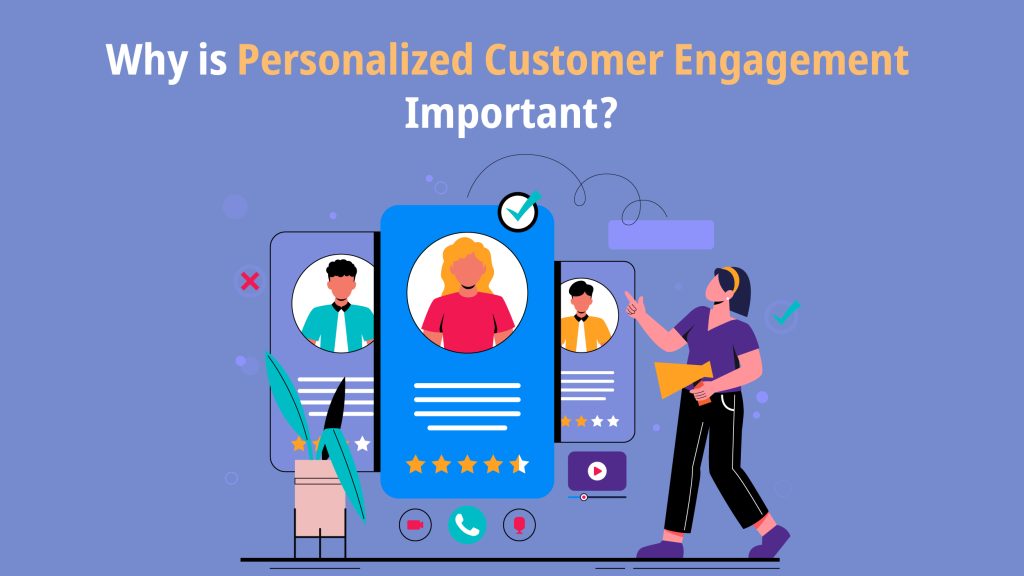 Modern buyers expect relevant search results. An AI-powered sales funnel uses customer data to create tailored messaging, offers, and timing throughout the entire funnel. This includes:
- Dynamic content based on customer interactions
- Smarter outreach with AI agents
- Context-aware messaging that improves customer engagement
Targeted content can create stronger customer relationships and improve conversion rates at every funnel stage.
6. Optimises funnel performance and revenue.
Sales funnel optimisation goes beyond intuition and manual testing. AI-driven sales systems always learn and adjust automatically.
Here’s what optimisation can provide:
- Improve customer acquisition cost, meaning lower the expenses needed to gain each new customer.
- Identify friction points in the sales process to address properly.
- Forecasting future trends and demand.
Integrating AI in your funnels can unlock business and revenue growth.
7. Future-proofs your sales funnel.
Sales funnel AI adapts over time as buying behaviour changes, making it perfect for fast-moving industries. You won’t have to worry about falling behind, as AI supports continuous improvement and keeps your funnels competitive.
Where Convertri Comes In
If you want a sales funnel that focuses on conversions, Convertri is ideal for this purpose. This high-performance funnel and landing page platform enables your business to create sales funnels that effectively convert your target audience into customers.
The Sales Funnel Stages
A sales funnel contains these stages that show the journey potential customers take from contact to conversion:
- Awareness: Prospective customers discover your brand through social media, search engines, paid advertising, or content marketing, attracting their attention and interest first.
- Interest: They begin engaging with your content, visiting the website, or signing up for resources. You have to address their needs to build trust.
- Consideration: Here, potential buyers compare options and check solutions. Provide case studies, testimonials, and information to show why your offers are the right choice.
- Intent: Prospects will request demos or pricing, showing buying potential.
- Conversion: They’ll make a purchase and become a customer. Your calls to action and checkout process should be smooth.
- Retention: Post-sale engagement turns your customers into loyal advocates. Send follow-up content to continue engaging them.
Final Words
Your sales funnel is a vital marketing asset that can drive business growth and expansion. Implementing AI thoughtfully into the funnel and focusing on real outcomes helps you build a system that’s ready to scale over time.
With AI-powered funnels, your interaction with the audience becomes more informed, leading to smarter decisions for the business.
You May Also Like

The Channel Factories We’ve Been Waiting For

Superstate Raises Over $82 Million to Develop Onchain Capital Markets
