Here is something the fear headlines are not telling you. The Binance estimated leverage ratio dropped to 0.146 in early March 2026, its lowest reading since April 2025, according to Coinpedia. That number matters more than the price charts. When leverage gets flushed out to this degree, it historically marks the exhaustion phase before markets make their next major move. The panic is almost done. The capitulation is nearly complete.
While everyone else is asking why crypto is down, the investors who understand cycle structure are asking a different question: which presale gives me the sharpest upside when the fear index flips? And the answer, by a wide margin, is Pepeto at $0.000000186.
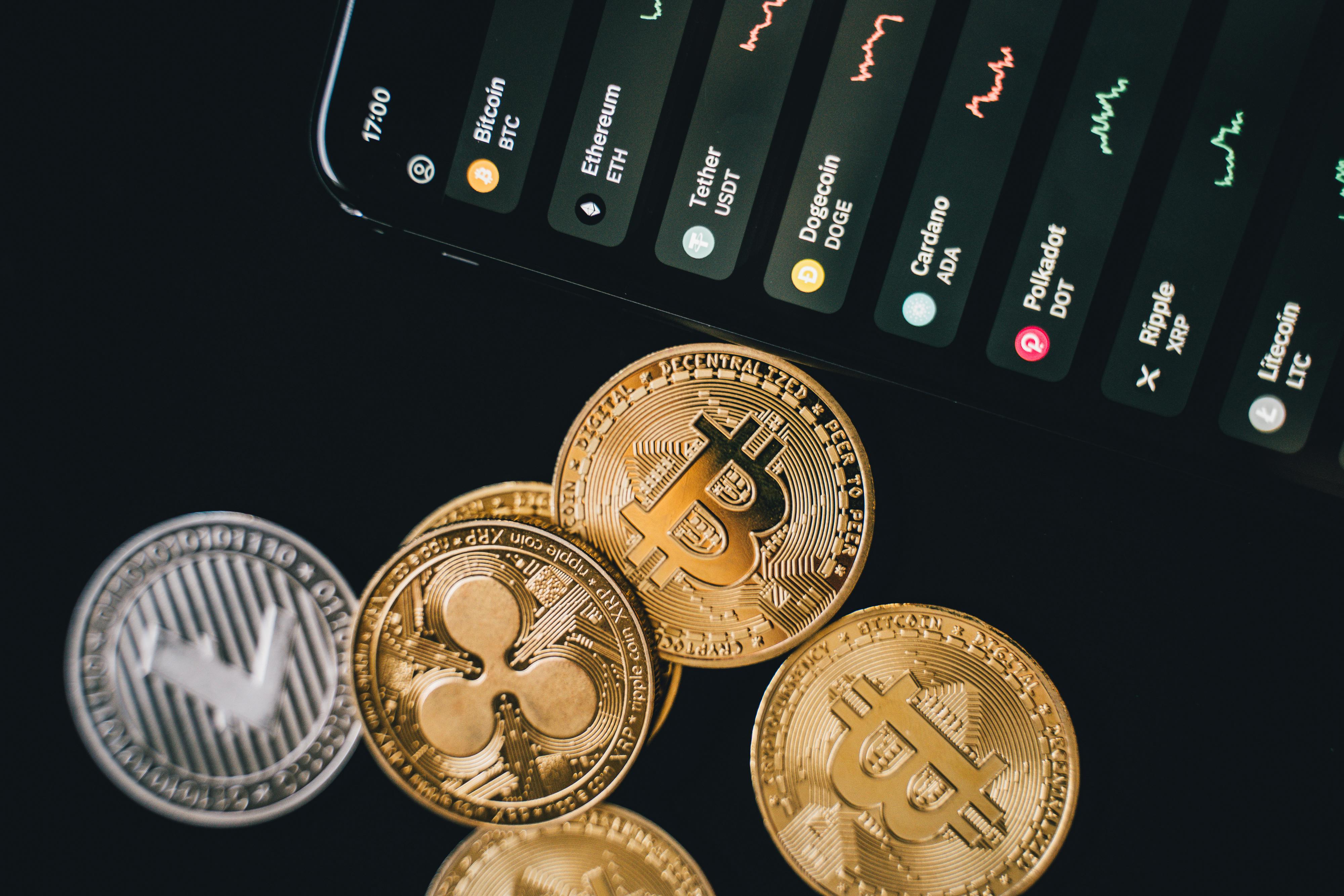
Leverage exhaustion signals approach as crypto fear reaches extremes
The Binance leverage ratio at 0.146 is not just a low number. It is the kind of reading that precedes the strongest rebounds in any cycle. When leveraged traders are forced out of their positions at scale, the market clears the weak hands entirely. What is left after that flush is organic demand from buyers who are not using borrowed capital, which creates the kind of sustained move that pressures the shorts and runs the price hard. As CoinDesk has tracked through previous cycles, the deepest fear readings have consistently preceded the most explosive altcoin seasons. And altcoin seasons reward early presale buyers most of all.
Why is crypto down? Tokens that could lead the snapback
Pepeto ($PEPETO)
Every major downturn strips out the pretenders. It exposes the projects that are all hype with nothing underneath. And it rewards the ones that kept building when nobody was watching.
Pepeto kept building. The Pepe cofounder spent years watching the meme coin ecosystem generate billions in wealth for early holders while simultaneously offering no real infrastructure for those holders to use. PEPE reached $7 billion. SHIB at $0.0000055 today is still down 90% from its highs. FLOKI at $0.000027 is range bound waiting for a catalyst. BONK at $0.000006 struggles to hold volume. Every one of these communities is trading on third party platforms, paying external fees, and using bridges built for other ecosystems.
Pepeto was created to build the infrastructure that none of these coins bothered to build. The team has announced PepetoSwap for zero fee meme coin trading, a cross chain bridge connecting Ethereum, BNB, and Solana, and a dedicated Pepeto Exchange where the community has a real home. All three products are announced and close to being ready. Launch is approaching. SolidProof and Coinsult cleared both contracts with zero critical vulnerabilities.
At $0.000000186 with $7.5 million raised and 210% APY staking compressing daily supply, there is very little time left before the presale closes and the market opens its doors to Pepeto at listing price. Downturns are not the time to run. They are the time to position.
Chainlink (LINK)
Chainlink has fallen to around $8.79, shedding ground alongside Bitcoin as risk aversion dominates. RSI sits near oversold territory and the token trades below every major moving average. There is no LINK specific catalyst driving the drop, just broad market pressure. The $8.00 level is the psychological floor and a hold there sets up a retest of $9.50 later this quarter.
Cardano (ADA)
Cardano trades near $0.27, caught in the same tariff driven headwind pressing on everything. From here, a recovery toward $0.365 is plausible if macro conditions ease. The 2026 ceiling analysts cite sits near $0.464, approximately 72% gain from current levels. Hydra scaling and governance upgrades give Cardano a credible long term roadmap for patient holders.
The investors who win the most after every downturn are the ones who were already inside before sentiment flipped. Act now, before the fear index reverses.
Click To Visit Pepeto Website To Enter The Presale
FAQs
Why is crypto down in March 2026?
Crypto is down in March 2026 due to macro factors including tariff concerns, stablecoin outflows, and the Binance leverage ratio dropping to 0.146, signaling extreme position flushing. Historically, these readings mark the exhaustion phase before the strongest rebounds, making the current moment ideal for early presale positioning in projects like Pepeto.
Should I buy crypto during a market downturn?
Historically, the deepest fear readings create the strongest long term entry points. Pepeto at $0.000000186 with three products approaching launch, dual audited contracts, and 210% APY staking offers the kind of asymmetric upside that downturns unlock for early believers.
Which tokens recover fastest after a crypto selloff?
Projects with working products and low market caps tend to lead recoveries with the steepest percentage gains. Pepeto, with three DeFi products announced and approaching launch, a presale entry at $0.000000186, and 210% APY staking locking supply, is a prime candidate for that kind of explosive snapback.