

Cynthia Lummis Pushes Clarity Act for Crypto Developers
Speaking during discussions surrounding the proposed Clarity Act, Lummis argued that software developers should not be forced to navigate complicated legal uncertainty simply for building blockchain-based technologies. Her remarks quickly drew attention across the crypto industry and were widely discussed online after being highlighted by the X account Coinbureau, a well-known source for digital asset news and market commentary.
“Software developers should not need an army of lawyers to know if their code is legal,” Lummis stated. “The Clarity Act ends that absurdity.”
The statement reflects growing frustration within the cryptocurrency industry over what many technology firms describe as inconsistent enforcement and unclear regulatory standards in the United States. Developers, investors, and blockchain companies have repeatedly warned that legal uncertainty could drive innovation overseas if lawmakers fail to establish a clearer framework.
The renewed attention around the Clarity Act comes at a critical moment for the digital asset sector. Bitcoin has remained one of the most discussed financial assets globally, while institutional interest in blockchain technology continues to expand. At the same time, regulators in Washington have intensified scrutiny of crypto exchanges, token issuers, and decentralized finance projects.
Industry leaders say the lack of clear guidance has created a difficult environment for software developers who are building decentralized systems. In many cases, companies argue they are uncertain whether a token could later be classified as a security, potentially exposing projects to legal challenges years after launch.
Lummis, who has long positioned herself as one of the strongest cryptocurrency supporters in the U.S. Senate, said innovation should not be punished because of outdated regulations. She emphasized that blockchain technology represents more than speculative trading, pointing to its potential applications in payments, financial infrastructure, digital identity, and cybersecurity.
The Clarity Act is designed to establish more precise distinctions between digital commodities and securities. Supporters believe the legislation could reduce confusion for developers while creating a more predictable environment for businesses operating in the blockchain industry.
According to several policy analysts, one of the central issues facing crypto firms is overlapping jurisdiction between U.S. regulatory agencies. The Securities and Exchange Commission (SEC) and the Commodity Futures Trading Commission (CFTC) have frequently been viewed as taking different approaches to digital assets. This has left many companies uncertain about which rules apply to their operations.
Critics of the current system argue that regulation through enforcement has become increasingly common. Rather than introducing comprehensive legislation first, regulators have often pursued lawsuits against crypto firms after projects were already operating in the market.
Supporters of the Clarity Act believe the legislation could help reverse that trend by establishing transparent rules before legal disputes emerge. They argue that developers should be able to understand whether their software complies with the law without requiring extensive legal teams.
The issue has become especially important as blockchain development expands beyond cryptocurrencies alone. Decentralized applications are increasingly being explored for sectors including healthcare, logistics, gaming, and digital ownership systems.
Technology advocates warn that uncertainty in the U.S. could encourage startups to relocate to countries with more defined crypto frameworks. Several jurisdictions in Europe, Asia, and the Middle East have already introduced digital asset regulations intended to attract blockchain investment and innovation.
 |
| Source: Xpost |
Some market observers say the United States risks falling behind if lawmakers fail to modernize financial laws for the digital age. The concern has intensified as major institutions continue investing in blockchain infrastructure despite ongoing regulatory disputes.
Lummis has consistently argued that balanced regulation is necessary to protect consumers while also encouraging innovation. She has previously supported legislation aimed at establishing tax clarity for digital assets and improving oversight standards for stablecoins.
Her latest comments quickly circulated across social media platforms, where cryptocurrency supporters praised the message as a sign that some lawmakers are still advocating for blockchain innovation in Washington.
Although the Clarity Act continues to generate support among many digital asset advocates, opposition remains. Some policymakers and consumer protection groups argue that weaker restrictions could expose retail investors to fraud and market manipulation.
Regulators have repeatedly warned that portions of the crypto market remain highly speculative and volatile. They argue stronger oversight is necessary to prevent financial crimes, protect consumers, and maintain market stability.
Still, supporters of the bill insist the legislation is not about eliminating regulation. Instead, they say the goal is to provide transparent standards that encourage lawful innovation while ensuring bad actors can still be prosecuted.
The debate over crypto regulation has intensified significantly over the past two years as multiple high-profile collapses shook investor confidence in the digital asset sector. The downfall of several major crypto firms led lawmakers to demand stricter safeguards and improved transparency across the industry.
At the same time, institutional adoption has continued to grow. Major financial firms have expanded digital asset offerings, while Bitcoin exchange-traded products have attracted increasing investor attention.
This contrast between rising institutional involvement and ongoing regulatory uncertainty has created a complex political environment in Washington. Lawmakers now face pressure from both innovation advocates and consumer protection groups as they attempt to define the future of digital finance in America.
Analysts say the outcome of the Clarity Act could have long-term implications for blockchain development in the United States. If passed, the legislation may provide greater confidence for startups and software developers seeking to build decentralized technologies within a clear legal framework.
Some legal experts believe comprehensive crypto legislation is inevitable as blockchain technology becomes more integrated into traditional finance. However, political disagreements over oversight responsibilities and investor protections could continue slowing progress in Congress.
For now, Lummis remains among the most vocal supporters of regulatory reform tailored specifically for digital assets. Her argument that developers should not fear legal uncertainty simply for writing code has resonated strongly with many members of the crypto community.
The broader debate also reflects a deeper question facing governments worldwide: how to regulate rapidly evolving technologies without discouraging innovation.
Blockchain advocates argue that excessive restrictions could limit technological progress and push entrepreneurs into less regulated markets overseas. On the other hand, regulators insist stronger safeguards are necessary to prevent financial abuse and systemic risks.
As discussions surrounding the Clarity Act continue, the cryptocurrency industry will be watching closely for signs that Washington is prepared to establish a clearer and more consistent regulatory framework.
Whether the legislation ultimately advances or not, the debate has once again highlighted the growing influence of digital assets within global finance and politics.
For many developers and blockchain companies, the stakes are increasingly high. The future direction of U.S. crypto policy could determine whether the country remains a leading hub for blockchain innovation or loses momentum to international competitors moving faster to embrace digital asset regulation.
With pressure mounting from both industry leaders and policymakers, the conversation surrounding crypto regulation is expected to remain one of the most closely watched issues in financial technology throughout the coming years.
Hokanews will continue monitoring developments surrounding the Clarity Act and broader cryptocurrency regulation as lawmakers debate the future of blockchain innovation in the United States.
hoka.news – Not Just Crypto News. It’s Crypto Culture.
Writer @Victoria
Victoria Hale is a writer focused on blockchain and digital technology. She is known for her ability to simplify complex technological developments into content that is clear, easy to understand, and engaging to read.
Through her writing, Victoria covers the latest trends, innovations, and developments in the digital ecosystem, as well as their impact on the future of finance and technology. She also explores how new technologies are changing the way people interact in the digital world.
Her writing style is simple, informative, and focused on providing readers with a clear understanding of the rapidly evolving world of technology.
Disclaimer:
The articles on HOKA.NEWS are here to keep you updated on the latest buzz in crypto, tech, and beyond—but they’re not financial advice. We’re sharing info, trends, and insights, not telling you to buy, sell, or invest. Always do your own homework before making any money moves.
HOKA.NEWS isn’t responsible for any losses, gains, or chaos that might happen if you act on what you read here. Investment decisions should come from your own research—and, ideally, guidance from a qualified financial advisor. Remember: crypto and tech move fast, info changes in a blink, and while we aim for accuracy, we can’t promise it’s 100% complete or up-to-date.
Stay curious, stay safe, and enjoy the ride! hokan


You May Also Like
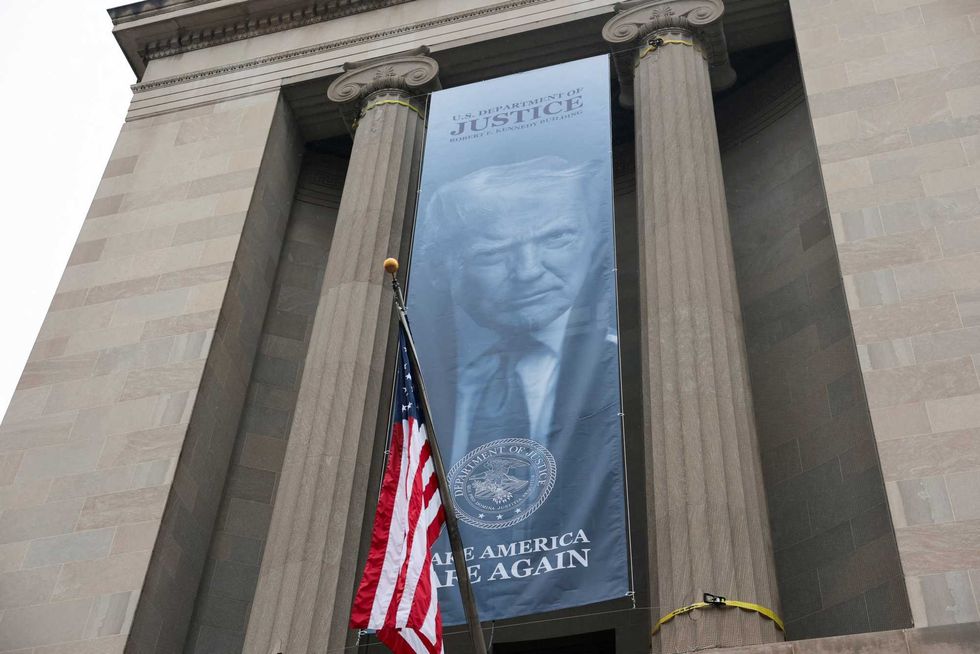
Justice Department has 'gone off the rails' for Trump's 'pretzel logic': analysis

Why Businesses Need Professional Machine Design and Development Services

Republican extorts White House for funding after Trump betrayal


Trending News
More
