

‘No more queues, no more congestion’: Ministry abolishes case‑by‑case approvals for foreign worker quotas
KUALA LUMPUR, July 6 — The Human Resources Ministry (Kesuma) today abolished the previous case-by-case process for foreign worker quota applications, stating all requests must now be submitted and processed through a centralised online system as part of a wider overhaul of the approval process.
Human Resources Minister Datuk Seri R. Ramanan said the move follows the Cabinet’s decision to place the One Stop Centre (OSC) for foreign worker management under Kesuma, with applications to be handled through the Foreign Workers Centralised Management System (FWCMS).
“There is no more case-by-case. I repeat, there is no more case-by-case,” he told reporters at a special press conference at Wisma HRD Corp here.
Instead, employers will submit applications through the FWCMS, after which the relevant regulatory agencies will conduct engagement sessions before forwarding their recommendations to the OSC for consideration.
“So there will be no queues, no congestion, nothing at all. Neither I, the deputy minister, the secretary-general, the deputy secretary-general nor my office is involved. There is no need to come and contact us, ask to meet us, request for applications to be expedited or for quotas to be granted.
“There is none of that. Everything is done through the system. Very, very transparent and very, very clear,” he said.
To illustrate how the new system differs from the previous process, Ramanan gave the example of an Indian restaurant owner seeking to hire foreign workers.
He said employers previously had to secure an appointment with the Home Ministry (KDN) on a case-by-case basis, with no guarantee of obtaining a slot even after travelling long distances.
“Sometimes you come from Johor, sometimes from Kedah, and you had to queue. There was no guarantee your appointment would be attended to that day. Sometimes you would arrive only to be told to come back because the queue numbers had run out,” he said.
Under the new system, employers can submit their applications online, receive a scheduled appointment date and time through the FWCMS, and proceed with the approval process once the relevant regulatory agencies and the OSC have completed their assessments.
Ramanan also dismissed claims that the system lacked transparency, saying Kesuma owns both the FWCMS source code and its super administrator access.
The ministry will begin by processing 22,476 quota applications involving 548 companies that had previously been submitted manually.
Ramanan said employers must first advertise vacancies to Malaysians through MYFutureJobs and obtain approval under Section 60K of the Employment Act 1955 before they are allowed to apply for foreign workers.
“If there are no takers, if no local workers are hired, then employers may apply for foreign workers through the OSC system. But give the jobs to Malaysians first. We must look after the Malaysian workforce first before looking for foreign workers,” he said.
He added that while Kesuma will now oversee foreign worker quota applications, the Home Ministry (KDN) will continue to retain the final authority to issue employment passes and work permits on security grounds.
The new system is expected to reduce physical queues and counter services by allowing employers to submit applications, upload documents and receive structured appointment dates online.
“The process remains exactly the same. There are no changes except one: I repeat, there is no more case-by-case processing. Just apply through the system,” he said.
Ramanan also announced that the Cabinet has agreed for Kesuma to study the establishment of a dedicated transit centre for newly arrived foreign workers, aimed at easing airport congestion and ensuring workers are collected by their registered employers.
He said the proposed Foreign Worker Transit Centre would temporarily accommodate foreign workers upon arrival in Malaysia while they wait to be picked up by their employers before being taken to their workplaces.
Based on preliminary estimates, Ramanan said the facility may need to accommodate between 1,000 and 2,000 foreign workers at any one time.
However, he stressed that it would not function as permanent accommodation or a detention centre.


You May Also Like

South Korea Plans New Law to Seize Crypto Assets in Civil Cases
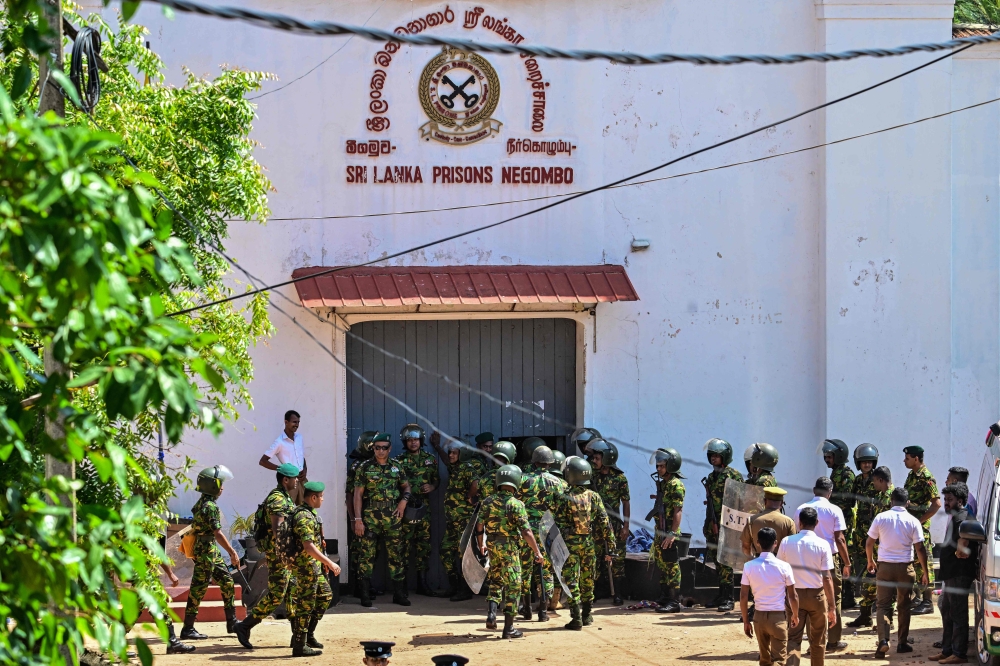
Sri Lanka’s worst prison riot in five years kills 23 guards and inmates, wound more than 100

Beyond Starlink: Amazon Leo, Spacesail, Space24 seek entry into South Africa



