

Trump Announces Critical 3-Week Extension of Israel-Lebanon Truce to Secure Regional Peace
BitcoinWorld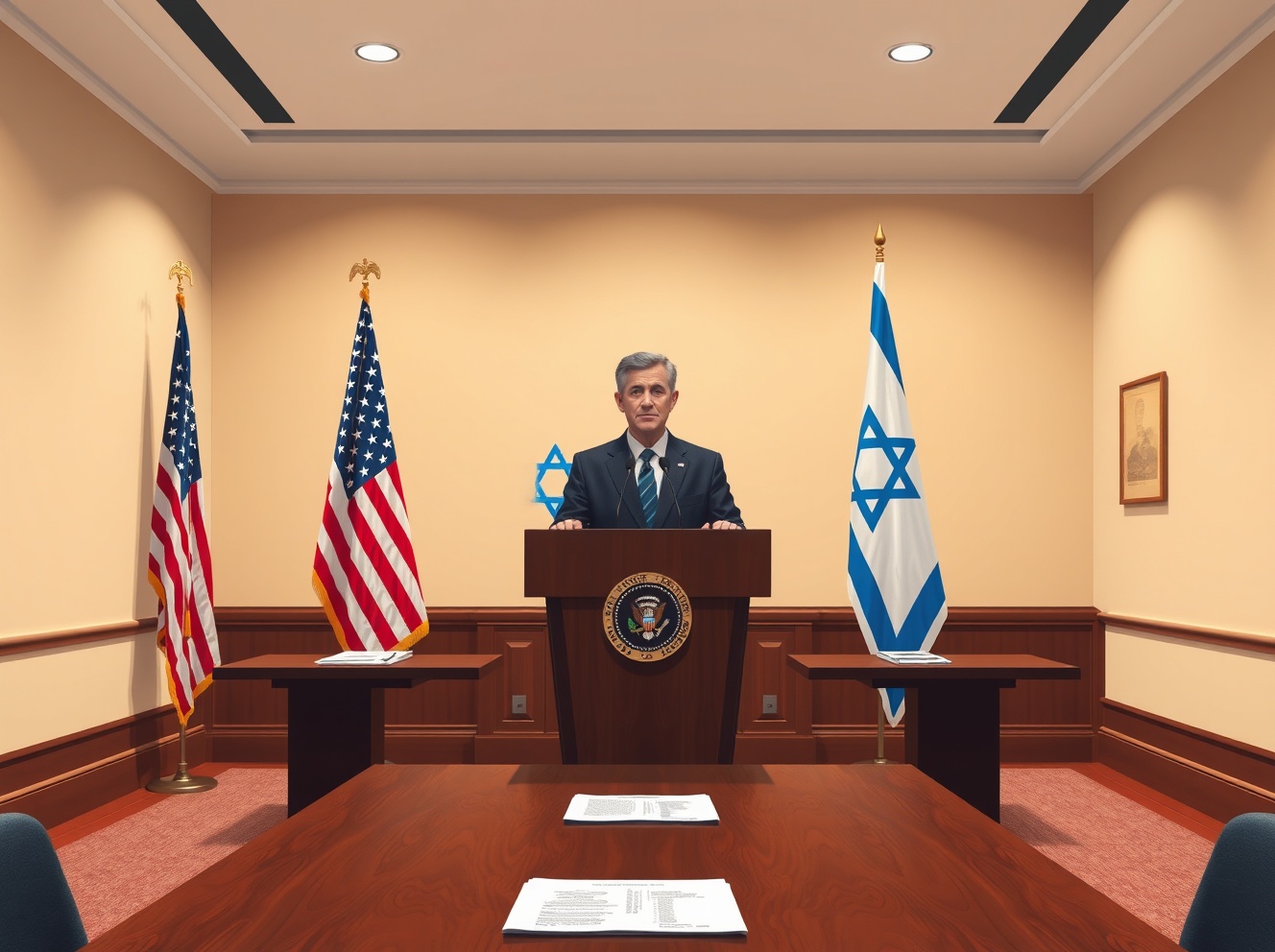
Trump Announces Critical 3-Week Extension of Israel-Lebanon Truce to Secure Regional Peace
President Donald Trump has officially announced a three-week extension of the truce between Israel and Lebanon, a decisive move aimed at sustaining fragile peace in the Middle East. This Trump announces Israel-Lebanon truce extension comes amid ongoing negotiations to prevent further hostilities along the volatile border region. The announcement, made from the White House on January 15, 2025, signals a renewed U.S. commitment to de-escalation and diplomatic engagement.
Background of the Israel-Lebanon Truce Extension
The original ceasefire agreement, brokered in late 2024, halted months of cross-border skirmishes between Israeli forces and Hezbollah-affiliated groups in southern Lebanon. The truce initially aimed to provide humanitarian relief and allow for political dialogue. However, underlying tensions and sporadic violations threatened its collapse. Consequently, Trump’s intervention underscores the strategic importance of maintaining stability in the region. The Israel-Lebanon ceasefire extension now provides a critical window for further talks.
Key Details of the Announcement
- Duration: The truce will be extended by exactly 21 days, starting from January 16, 2025.
- Scope: The extension applies to all military activities along the Israel-Lebanon border, including aerial and naval operations.
- Monitoring: United Nations Interim Force in Lebanon (UNIFIL) will oversee compliance, with U.S. intelligence support.
- Next Steps: Both parties have agreed to resume indirect negotiations within two weeks.
This timeline gives diplomats room to address core disputes, including border demarcation and the disarmament of non-state militias. Experts view the extension as a pragmatic step to avoid a full-scale conflict.
Strategic Implications for Middle East Peace
The Trump administration’s role in this Middle East peace news highlights a shift toward proactive diplomacy. By leveraging personal relationships with regional leaders, Trump has positioned the U.S. as a key mediator. The truce extension prevents immediate escalation, but long-term success depends on addressing root causes. For instance, economic instability in Lebanon and security concerns in northern Israel remain unresolved. Moreover, the deal reinforces the Abraham Accords framework, encouraging normalization between Israel and Arab states.
Expert Analysis on Ceasefire Dynamics
Dr. Sarah Cohen, a Middle East analyst at the Institute for Strategic Studies, notes, “This extension buys time for confidence-building measures. Without it, both sides risk a costly war.” She emphasizes that the Trump Middle East diplomacy approach prioritizes tangible outcomes over symbolic gestures. Meanwhile, retired General James Miller adds, “The three-week window is sufficient for preliminary talks but not for comprehensive peace. Both sides must show flexibility.”
Timeline of Recent Events Leading to the Extension
| Date | Event |
|---|---|
| October 2024 | Renewed clashes along the Blue Line after Hezbollah rocket attacks. |
| November 2024 | U.S. brokers an initial 30-day ceasefire, reducing violence by 70%. |
| December 2024 | Talks stall over prisoner exchange and buffer zone demands. |
| January 2025 | Trump announces the three-week extension to revive negotiations. |
This timeline demonstrates the fragile nature of the truce and the necessity of continued international engagement. Each phase has tested the resolve of both parties.
Humanitarian and Economic Impact
The truce has allowed over 50,000 displaced civilians to return to their homes in southern Lebanon and northern Israel. Humanitarian organizations report improved access to food and medical supplies. Economically, the Lebanon truce 2025 has stabilized local markets, though reconstruction efforts remain underfunded. The extension prevents a reversal of these gains, offering a lifeline to vulnerable communities.
Challenges to Sustaining the Ceasefire
- Hezbollah’s Role: The group’s refusal to disarm remains a major obstacle.
- Israeli Security Demands: Israel insists on a demilitarized zone south of the Litani River.
- Political Instability in Lebanon: A weak central government struggles to enforce agreements.
- External Influences: Iran’s support for Hezbollah complicates U.S.-led mediation.
Addressing these challenges requires a multifaceted approach, combining security guarantees with economic incentives.
Global Reactions to the Announcement
The United Nations welcomed the extension, calling it “a vital step toward lasting peace.” European Union foreign policy chief Josep Borrell urged both sides to capitalize on the opportunity. Conversely, some analysts criticize the short duration, arguing it merely postpones inevitable conflict. Nonetheless, the announcement has reduced immediate market volatility in energy and defense sectors.
Conclusion
The Trump announces Israel-Lebanon truce extension represents a calculated diplomatic maneuver to prevent regional war. While the three-week window offers hope, sustainable peace requires addressing deep-seated grievances. The coming days will test whether both parties can translate this temporary calm into a permanent agreement. For now, the extension provides a crucial pause for dialogue and humanitarian relief.
FAQs
Q1: What is the exact duration of the Israel-Lebanon truce extension?
The truce is extended by three weeks, from January 16 to February 6, 2025.
Q2: Who announced the extension, and why is it significant?
President Donald Trump announced the extension, highlighting U.S. leadership in Middle East peace efforts and preventing immediate military escalation.
Q3: How does this extension affect civilians in the region?
It allows displaced families to return home and improves humanitarian access, reducing suffering along the border.
Q4: What are the main obstacles to a permanent ceasefire?
Key obstacles include Hezbollah’s disarmament, Israeli security demands, Lebanon’s political instability, and Iranian influence.
Q5: Will the extension lead to a formal peace agreement?
It creates a window for negotiations, but a formal agreement remains uncertain without major concessions from both sides.
This post Trump Announces Critical 3-Week Extension of Israel-Lebanon Truce to Secure Regional Peace first appeared on BitcoinWorld.


You May Also Like
![[OPINION] US Pax Silica initiative: Good or bad?](https://www.rappler.com/tachyon/2024/10/tech-stocks-october-31-2024.jpg?resize=75%2C75&crop=408px%2C0px%2C1080px%2C1080px)
[OPINION] US Pax Silica initiative: Good or bad?

ChainAware and MelosClaw Advance AI in Web3 Growth




