

Shanghai Gold selloff exposes splits in China’s commodity markets
The gold futures on the Shanghai Futures Exchange declined more than 4% at the start of trading on June 11, taking the price of silver down along with it, while the rest of China’s energy and industrial commodity futures continued to increase in price.
There is a rising conflict in the commodity markets between raising the interest rates needed to fight inflation and the risks associated with geopolitics, with effects being felt in trade flows and central bank calculations globally.
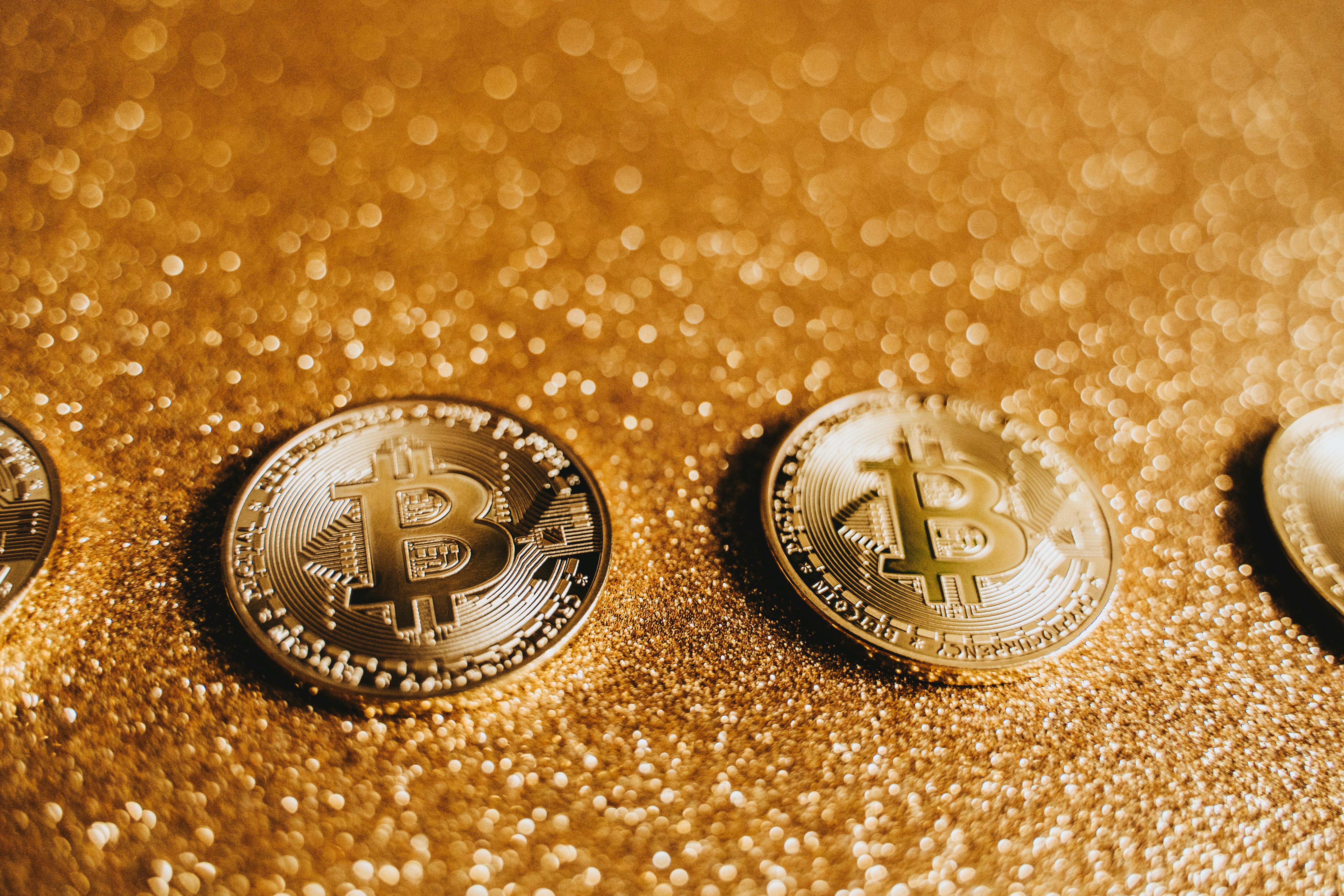
The decline in the precious metal market in China followed the global sell-off, with prices for spot gold falling to as low as $4,022.09 per ounce, levels last seen in November, Reuters reports. Yet the yellow metal recovered somewhat to close at $4,089.12 per ounce, driven by short covering. What precipitated the fall? It was all about the key question of whether the U.S. Fed would hike rates before the end of the year.
Inflation report shifts momentum
According to the latest U.S. Consumer Price Index report, the inflation rate rose to its highest in the past three years owing to rising energy prices. This comes amid the tensions between the US and Iran. It has changed the odds. Traders are now seeing a greater than 70% chance of rate hikes within the coming months as per the CME FedWatch Tool.
Gold becomes less attractive as the interest rates rise, since there is no earnings capacity associated with it. As per Matt Simpson, a market analyst with StoneX Group, quoted by Reuters, $4,000 represents an”obvious level of support that could prompt bears to book a quick profit or tempt battered bulls from the sideline.” Unless the upcoming Producer Price Index (PPI) report surprises the markets, a technical rebound for the precious metal can be expected.
China’s commodity markets tell two stories
While gold and silver fell in Shanghai, the rest of China’s futures board moved in the opposite direction. Polysilicon led the morning session with gains exceeding 4%, and low-sulfur fuel oil climbed nearly 4%. Palladium, liquefied petroleum gas, SC crude oil, methanol, and lithium carbonate each rose more than 3%.
This is an indication of how the tensions in Iran have had different impacts on the international commodities market. Energy prices respond positively to any disruption in their supply chain. Iran announced that it had blocked the Strait of Hormuz following new attacks from America, and oil prices went up by over $2 on Thursday. This is the energy price shock that has led to inflation levels that pose a threat to gold through interest rates.
The response by China to increased energy prices has been to handle imports in terms of pricing. According to the Reuters report, columnist Clyde Russell indicated that China has reduced its imports to 29 per cent, a level not experienced in the past 8 years, as low as 7.79 million barrels per day in May, because of the premium that was being charged for Saudi crude oil. Instead of paying for their energy at such high rates, China decided to use its stored energy during the low prices of Russian and Iranian crude.
Copper imports also softened, falling 7% in the first five months of 2026 compared to the same period in 2025, as London copper prices rose 9.6% year-to-date. Aluminium moved the other way: Chinese producers ramped exports to 632,000 tons in May, capitalising on higher international prices caused by Middle East supply losses.
Gold demand is changing
The gold sell-off occurs at a time when the structure of global gold demand is changing. According to Metals Focus, a consultancy firm dedicated to delivering statistics, analysis and forecasts for the precious metals markets, physical investment will surpass jewellery for the first time in becoming the biggest form of gold demand in 2026. Jewellery demand is projected to fall by 11% this year due to persistently high gold prices.
The consultancy firm has predicted that in 2026, there will be a gold price average of $4,920 per ounce compared to a 43% rise from 2025. However, it believes that central banks’ net gold purchases will decrease by double digits, as governments will offload their gold holdings to support their weak currency against higher energy costs.
Even as the long-term demand for gold is quite strong, the overall macroeconomic conditions prevailing, such as the pressure of inflation, interest rate expectations, and the energy crisis due to the Israel-Iran war, are exerting a bearish influence on prices. While the global economy tries its best to recover from the effects of disruption in crude oil and international trade, the falling gold market adds to the troubles.
It all depends upon what happens next, and that will be determined by two major events that are expected to take place soon, namely: the upcoming PPI data release and the reopening of the Strait of Hormuz to trade.
If you're reading this, you’re already ahead. Stay there with our newsletter.


You May Also Like
Coinbase launches AI agent accounts that can trade and spend on your behalf

Bitcoin treasury sell-off accelerates as Riot, Bhutan, and public companies exit positions

PMI-ACP Exam Preparation: How to Use a Simulator and Practice Questions Effectively



