

Goldman Sachs turns its back on major semiconductor stock
Goldman Sachs spent more than a year telling clients that Taiwan Semiconductor Manufacturing (TSM) was one of the best stocks to own in Asia.
However, on July 1, 2026, the bank changed its mind.
Goldman dropped TSM from its Asia-Pacific Conviction List. This list is the bank's short roster of ideas its analysts strongly back.
In addition to TSM, Goldman cut Chinese tech giant Alibaba (BABA) on the same day.
For TSM, which sits at the center of the entire AI buildout, the decision landed with a jolt.
What Goldman's move on TSMC stock really signals
Goldman did not tell investors to sell TSM, and it even kept its buy rating in place, TipRanks reported.
However, the Conviction List is tighter than a standard buy rating. The list holds the names the bank feels strongest about at a given moment.
A removal therefore represents a drop in enthusiasm, not a verdict on the business, and knowing that difference is key.
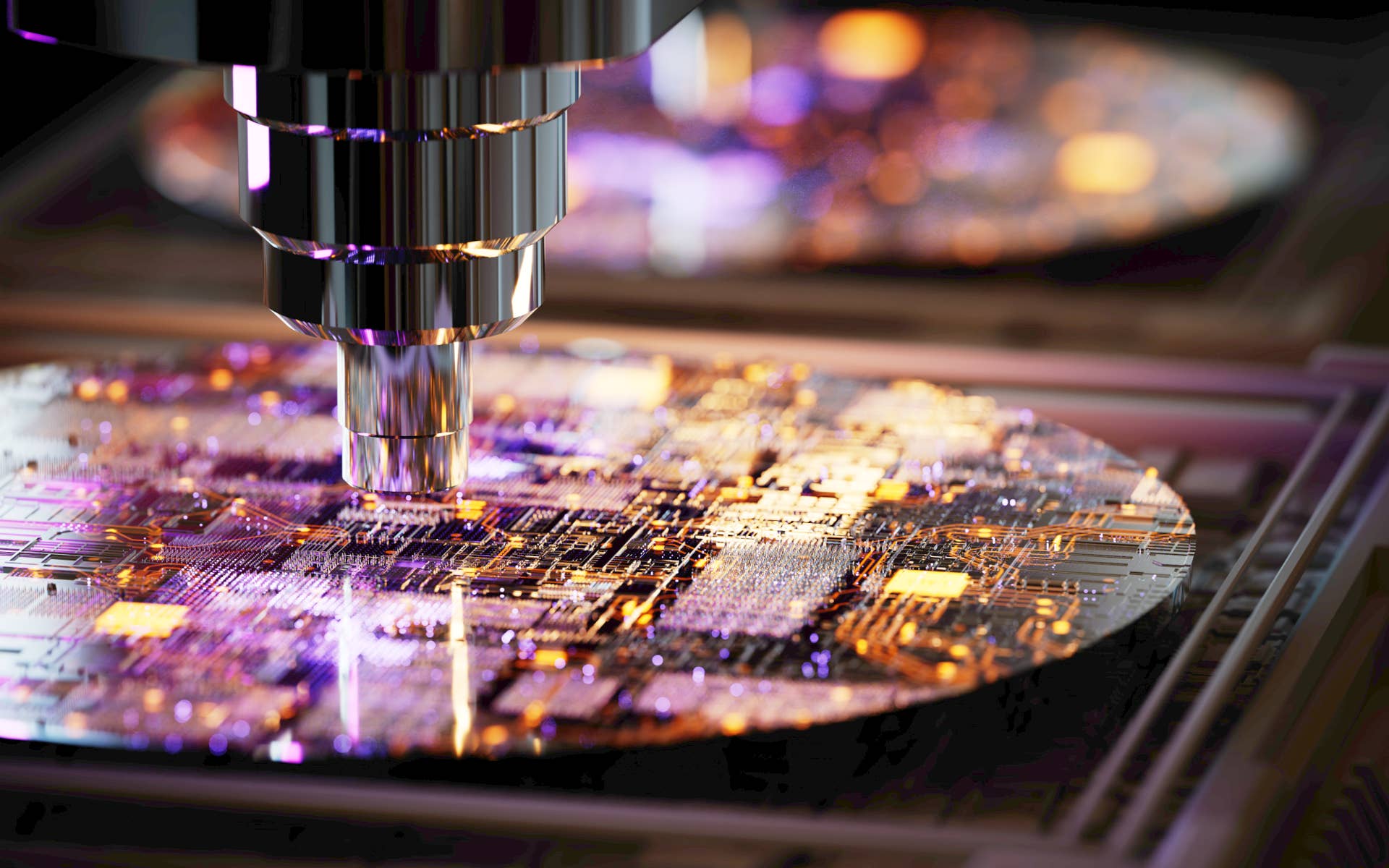 Taiwan Semiconductor Manufacturing lost its spot on Goldman Sachs' Asia-Pacific Conviction List on July 1, 2026.
Just&lowbarSuper &sol Getty Images
Why Wall Street trims winners after a long run
Cutting a stock from a conviction list is not necessarily a signal that something is wrong with the business. It could occur simply because the stock has performed at the highest level investors expected.
TSM has gained more than 54% in 2026 and trades near record highs, with a market value of around $2.3 trillion.
More Semiconductor Stocks:
- Wall Street flees software plays for triple-digit chipmaker boom
- Top analysts set a jaw-dropping Micron stock target after its surge
- 5-star analyst resets AMD stock price target, but it’s not about GPUs
Much of the near-term reward analysts expected from the stock has already been priced in.
Goldman had aggressively raised its target earlier this year, lifting it to NT$2,330 while reiterating a conviction buy.
After that kind of run, banks tend to rotate their boldest calls toward names with more room left.
The insider selling that added to the caution
Another quiet signal lurked in the background.
Insiders sold roughly $14 million in TSMC shares in the three months before the removal.
However, insider sales are not always a warning, since executives sell for many personal reasons.
Still, a high number of insider sales near an all-time high tends to make analysts rethink how much short-term growth is left.
How TSMC still runs the chip world
None of this loosens TSMC's grip on the industry.
According to telecomlead, the company held about 72% of the global foundry market in the first quarter of 2026. It produces chips for Apple, Nvidia, AMD, and most of the AI economy.
Related: TSMC CEO sends blunt message to memory chip rivals
TSMC's first-quarter results backed its dominance, with revenue up 40.6% from a year earlier and gross margin above 66%, an SEC filing shows.
The company also expects the chip market to reach $1.5 trillion by 2030.
TSMC stock vs. the rest of the AI chip pack
Here is the twist. TSMC's 54% gain actually looks tame next to its customers and peers this year, 2026.
- Sandisk (SNDK) has climbed more than 857.8% YTD.
- Micron (MU) has soared more than 250%.
- AMD has more than doubled to about 131.7%.
- Intel (INTC) and Marvell Technology (MRVL) have both done about 205.6% and 174.4% YTD, respectively.
That gap helps explain the rotation. When flashier names are surging, a steady giant can fall out of favor, even though nothing about its underlying business has changed.
What TSMC stock needs to prove next
The near-term test comes fast. TSMC reports second-quarter results on July 16, and that number will set the tone for the next move.
What to watch when TSMC reports
- Whether revenue growth holds above 30% for 2026
- Gross margin staying in the mid-60s as overseas fabs ramp
- Capital spending plans, guided near $52 billion to $56 billion this year
- Fresh details on 2nm production and tight CoWoS packaging capacity
The bottom line for TSMC investors
For long-term holders, Goldman's decision is a call to be cautious.
The rest of Wall Street stays constructive.
According to MarketBeat, Bank of America recently raised its TSMC target to $590, and on June 29, 2026, UBS upgraded its target for TSMC's Taiwan-listed shares (TWSE: 2330) from NT$3,000 to NT$3,400 while keeping its buy rating intact.
TSMC still sits at the center of the AI supply chain. But after a 54% run, even its biggest backers are being careful.
Related: Wall Street flees software plays for triple-digit chipmaker boom


You May Also Like

Epstein's chilling and frequent private question revealed in new report

Bitcoin Price Holds Support as Whale Orders Split Market

Trump brags that he’s more popular than Taylor Swift


Trending News
More
