The post Decentralized Infrastructure Network Launches on EigenLayer, Enhancing Web3 Security appeared on BitcoinEthereumNews.com. Rongchai Wang Nov 17, 2025 15:20 The Decentralized Infrastructure Network (DIN) launches on EigenLayer, introducing cryptoeconomic security for RPC infrastructure, addressing centralization issues in web3. The Decentralized Infrastructure Network (DIN), a Consensys-backed initiative, has launched its Autonomous Verifiable Service (AVS) on the EigenLayer mainnet. This marks a significant development in decentralized infrastructure, as DIN becomes the first large-scale RPC marketplace to utilize EigenLayer’s restaking and slashing mechanisms. By doing so, it aims to tackle one of web3’s critical vulnerabilities: the centralization of infrastructure. The Challenge of Centralized Infrastructure Despite the decentralization ethos of web3, a significant portion of RPC traffic is handled by a few centralized providers. This creates systemic risks, as any downtime in major providers can impact wallets, dApps, and DeFi protocols, affecting millions of users. DIN addresses this by establishing a competitive, decentralized marketplace of RPC node providers validated through an open network, secured by Ethereum restaking via EigenLayer. EigenLayer’s Role in Decentralization EigenLayer’s AVS model is crucial to DIN’s operations, providing the cryptoeconomic foundation needed for decentralized RPC at scale. Through ETH and stETH restaking, node operators serving RPC requests have real economic stakes in infrastructure reliability. This model transforms RPC services from trust-based to cryptoeconomically secured systems. The system operates through three key mechanisms: Economic Security Through Restaking: Node operators are backed by restaked ETH, turning infrastructure provision into a service with tangible economic guarantees. Performance Verification Through Watchers: Independent watcher nodes monitor RPC provider performance, ensuring accountability for service quality. Accountability Through Slashing: EigenLayer’s slashing mechanism enforces high reliability among node providers by imposing economic penalties for non-compliance with service agreements. Proven Scale and Integration DIN is already operational at scale, integrated into platforms like MetaMask and Infura, and handling over 13 billion requests monthly across… The post Decentralized Infrastructure Network Launches on EigenLayer, Enhancing Web3 Security appeared on BitcoinEthereumNews.com. Rongchai Wang Nov 17, 2025 15:20 The Decentralized Infrastructure Network (DIN) launches on EigenLayer, introducing cryptoeconomic security for RPC infrastructure, addressing centralization issues in web3. The Decentralized Infrastructure Network (DIN), a Consensys-backed initiative, has launched its Autonomous Verifiable Service (AVS) on the EigenLayer mainnet. This marks a significant development in decentralized infrastructure, as DIN becomes the first large-scale RPC marketplace to utilize EigenLayer’s restaking and slashing mechanisms. By doing so, it aims to tackle one of web3’s critical vulnerabilities: the centralization of infrastructure. The Challenge of Centralized Infrastructure Despite the decentralization ethos of web3, a significant portion of RPC traffic is handled by a few centralized providers. This creates systemic risks, as any downtime in major providers can impact wallets, dApps, and DeFi protocols, affecting millions of users. DIN addresses this by establishing a competitive, decentralized marketplace of RPC node providers validated through an open network, secured by Ethereum restaking via EigenLayer. EigenLayer’s Role in Decentralization EigenLayer’s AVS model is crucial to DIN’s operations, providing the cryptoeconomic foundation needed for decentralized RPC at scale. Through ETH and stETH restaking, node operators serving RPC requests have real economic stakes in infrastructure reliability. This model transforms RPC services from trust-based to cryptoeconomically secured systems. The system operates through three key mechanisms: Economic Security Through Restaking: Node operators are backed by restaked ETH, turning infrastructure provision into a service with tangible economic guarantees. Performance Verification Through Watchers: Independent watcher nodes monitor RPC provider performance, ensuring accountability for service quality. Accountability Through Slashing: EigenLayer’s slashing mechanism enforces high reliability among node providers by imposing economic penalties for non-compliance with service agreements. Proven Scale and Integration DIN is already operational at scale, integrated into platforms like MetaMask and Infura, and handling over 13 billion requests monthly across…

Decentralized Infrastructure Network Launches on EigenLayer, Enhancing Web3 Security


Rongchai Wang
Nov 17, 2025 15:20

The Decentralized Infrastructure Network (DIN) launches on EigenLayer, introducing cryptoeconomic security for RPC infrastructure, addressing centralization issues in web3.

The Decentralized Infrastructure Network (DIN), a Consensys-backed initiative, has launched its Autonomous Verifiable Service (AVS) on the EigenLayer mainnet. This marks a significant development in decentralized infrastructure, as DIN becomes the first large-scale RPC marketplace to utilize EigenLayer’s restaking and slashing mechanisms. By doing so, it aims to tackle one of web3’s critical vulnerabilities: the centralization of infrastructure.

The Challenge of Centralized Infrastructure

Despite the decentralization ethos of web3, a significant portion of RPC traffic is handled by a few centralized providers. This creates systemic risks, as any downtime in major providers can impact wallets, dApps, and DeFi protocols, affecting millions of users. DIN addresses this by establishing a competitive, decentralized marketplace of RPC node providers validated through an open network, secured by Ethereum restaking via EigenLayer.

EigenLayer’s Role in Decentralization

EigenLayer’s AVS model is crucial to DIN’s operations, providing the cryptoeconomic foundation needed for decentralized RPC at scale. Through ETH and stETH restaking, node operators serving RPC requests have real economic stakes in infrastructure reliability. This model transforms RPC services from trust-based to cryptoeconomically secured systems.

The system operates through three key mechanisms:

  • Economic Security Through Restaking: Node operators are backed by restaked ETH, turning infrastructure provision into a service with tangible economic guarantees.
  • Performance Verification Through Watchers: Independent watcher nodes monitor RPC provider performance, ensuring accountability for service quality.
  • Accountability Through Slashing: EigenLayer’s slashing mechanism enforces high reliability among node providers by imposing economic penalties for non-compliance with service agreements.

Proven Scale and Integration

DIN is already operational at scale, integrated into platforms like MetaMask and Infura, and handling over 13 billion requests monthly across more than 30 networks, including Ethereum L1 and several Layer 2s. The network’s incentivized testnet has shown impressive metrics, such as a >99% success rate for RPC operations and median latency under 250ms.

Implications for Ethereum and Web3

DIN AVS is a crucial demonstration of EigenLayer’s potential to extend Ethereum’s security to web3 infrastructure. By implementing restaking and slashing in RPC operations, DIN provides developers with cryptoeconomic guarantees, fulfilling web3’s promise of end-to-end verifiability without relying on trusted infrastructure.

For more details, visit the EigenCloud blog.

Image source: Shutterstock

Source: https://blockchain.news/news/decentralized-infrastructure-network-launches-on-eigenlayer-enhancing-web3-security
Market Opportunity
DIN Logo
DIN Price(DIN)
$0.02202
$0.02202$0.02202
-1.87%
USD
DIN (DIN) Live Price Chart
Disclaimer: The articles reposted on this site are sourced from public platforms and are provided for informational purposes only. They do not necessarily reflect the views of MEXC. All rights remain with the original authors. If you believe any content infringes on third-party rights, please contact service@support.mexc.com for removal. MEXC makes no guarantees regarding the accuracy, completeness, or timeliness of the content and is not responsible for any actions taken based on the information provided. The content does not constitute financial, legal, or other professional advice, nor should it be considered a recommendation or endorsement by MEXC.

You May Also Like

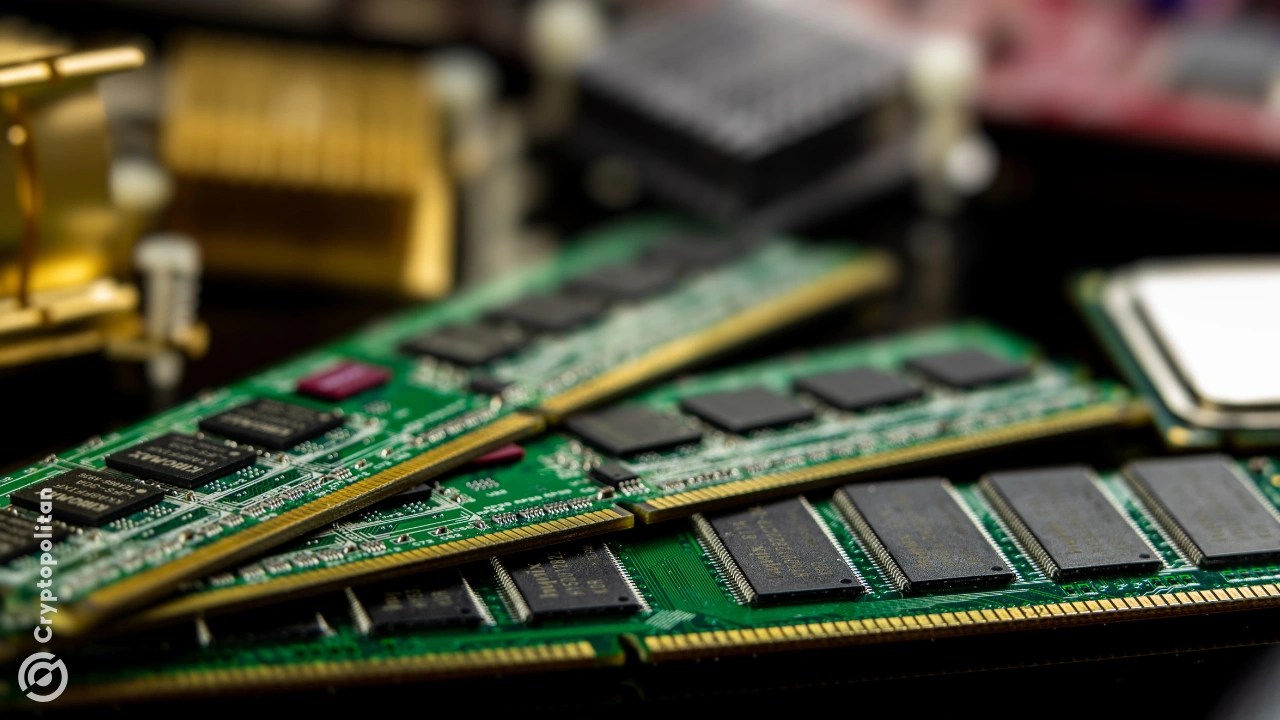
South Korea’s chip giants surge on soaring AI memory demand

South Korea’s chip giants surge on soaring AI memory demand

The post South Korea’s chip giants surge on soaring AI memory demand appeared on BitcoinEthereumNews.com. Top chipmakers in South Korea, SK Hynix and Samsung Electronics
Share
BitcoinEthereumNews2026/01/23 13:31
Eric Trump Says Banks Tried to Shut Him Out – Turns to Bitcoin Instead

Eric Trump Says Banks Tried to Shut Him Out – Turns to Bitcoin Instead

The post Eric Trump Says Banks Tried to Shut Him Out – Turns to Bitcoin Instead appeared on BitcoinEthereumNews.com. Bitcoin 18 September 2025 | 10:05 Eric Trump, co-founder of American Bitcoin and son of U.S. President Donald Trump, has revealed that he holds a significant personal stake in the crypto company and has no intention of selling. Trump said his ownership amounts to roughly 7.5% of shares and emphasized that both he and the board are committed to keeping their holdings locked in for the long term. According to Trump, the move reflects not only loyalty to the firm but also resistance to pressure from traditional financial institutions. He claimed that major U.S. banks have repeatedly tried to restrict his access to financial services, including efforts by Capital One, JPMorgan, and Bank of America. “They tried to shut us out of the system,” he said, describing the experience as the turning point that convinced him of crypto’s advantages. Trump argued that blockchain-based systems allow transactions to be handled “faster, cheaper, and more transparently” than legacy banking. He framed his support for American Bitcoin as both a business decision and a statement against what he called an ongoing “de-banking” campaign targeting the Trump Organization and its affiliates. By underscoring his commitment, Trump signaled that he views cryptocurrency not just as a financial instrument but as a defense against the limitations of traditional finance. His comments also echo a broader narrative that digital assets are becoming an alternative for those who feel sidelined by conventional institutions. The information provided in this article is for educational purposes only and does not constitute financial, investment, or trading advice. Coindoo.com does not endorse or recommend any specific investment strategy or cryptocurrency. Always conduct your own research and consult with a licensed financial advisor before making any investment decisions. Author Alex is an experienced financial journalist and cryptocurrency enthusiast. With over 8 years of experience…
Share
BitcoinEthereumNews2025/09/18 15:08
Kalshi Partners with Solana & Base to Launch KalshiEco Hub for Onchain Prediction Markets

Kalshi Partners with Solana & Base to Launch KalshiEco Hub for Onchain Prediction Markets

The first prediction markets exchange to be regulated by the CFTC, Kalshi, has launched the KalshiEco Hub in partnership with Solana and Coinbase-backed Base. The new program aims to bring builders, traders, and content creators onto an expanding ecosystem of blockchain-based prediction markets. The launch of the KalshiEco Hub signals a step toward linking traditional […]
Share
Tronweekly2025/09/18 16:30