

USDT Surge Masks Stalled Stablecoin Growth as Competing Tokens Bleed $4.2B

The total stablecoin market just crossed $300 billion, but the headline number hides a story of stalled growth and internal rotation. According to the original report, Tether’s USDT added more than $5 billion over the past month, yet the entire market grew by only $0.9 billion. USDC, Ethena’s USDe, and PayPal’s PYUSD collectively bled $4.2 billion, leaving net supply expansion at just 0.3%.
The numbers suggest fresh capital isn’t flowing into stablecoins as a whole. Instead, existing liquidity is moving toward USDT, often at the expense of smaller or yield-bearing alternatives. For traders and DeFi protocols, this concentration reshapes where on-chain dollars sit and how they can be deployed.
Capital Rotation, Not Fresh Inflows
USDT accounted for virtually all of the month’s nominal growth, yet its $5 billion increase was almost entirely offset by outflows elsewhere. Circle’s USDC, one of the largest regulated stablecoins, saw a material decline alongside two projects that depend heavily on DeFi yield structures: USDe and PYUSD.
The rotation into USDT reinforces the market’s long-standing dependence on a single issuer. Tether’s token already serves as the base pair for the majority of spot crypto trading volume on centralized exchanges, and its deepening liquidity moat makes it harder for challengers to gain meaningful share. PayPal’s PYUSD dropped 13% over the month, while Sky’s USDS and World Liberty Financial’s USD1 picked up only marginal inflows. The pattern suggests that during periods of low market volatility or uncertain funding rates, capital drifts toward the largest, most liquid stablecoin rather than spreading evenly across the ecosystem.
Yield Compression Hits Ethena’s USDe
The steepest losses hit Ethena’s USDe, which shrank 28% in a single month and is now down nearly 34% year-to-date. The cause is straightforward: compressed perp funding rates have slashed the yield that USDe can offer, removing the main incentive to hold the token. USDe’s design depends on shorting perpetual futures to generate returns, and when those rates collapse, depositors leave.
This dynamic echoes earlier cycles in algorithmic stablecoins where yield-seeking capital proved fickle. While USDe is structurally different from the failed TerraUSD, its month-over-month supply swings show how quickly liquidity can evaporate once the carry trade disappears. For DeFi lending markets that use stablecoins as collateral, the shift toward a single dominant asset concentrates risk. Aave’s USDT borrow markets, for instance, could become even more critical to the ecosystem’s solvency if alternative stablecoins lose ground.
Regulatory Shadows and Market Concentration
The lopsided growth comes as stablecoin regulation faces fresh uncertainty in Washington. A contentious US crypto bill that could rewrite stablecoin rules is now under intense pressure from banking lobbyists just days before a key Senate vote. Any legislative framework that treats USDT differently from bank-issued stablecoins like USDC could accelerate the current consolidation trend.
Even as USDT’s footprint expands, the company behind it faces persistent questions about reserve composition and geographical jurisdiction. Fragmentation in regulatory treatment between USDT and USDC could create liquidity silos that make cross-platform trading less efficient. Meanwhile, stablecoins remain the backbone for settling tokenized real-world assets, as highlighted in a recent tokenization roundup. If the market increasingly tilts toward a single dominant stablecoin, the settlement infrastructure for on-chain RWAs may become heavily dependent on Tether’s reserves and redemption mechanisms.
What’s Uncertain
Whether the net stagnation continues depends largely on two variables: perp funding rates and regulatory clarity. If rates remain depressed, yield-bearing stablecoins will struggle to retain deposits. And if lawmakers carve out rules that favor certain issuers, competition among stablecoins could narrow further.
For now, the $300 billion milestone masks a market that is not growing so much as concentrating. Traders and protocols that rely on deep, diversified stablecoin liquidity may need to prepare for a world where USDT’s weight keeps rising.


추천 콘텐츠

Circle Launches cirBTC, a Wrapped Bitcoin Token on Ethereum
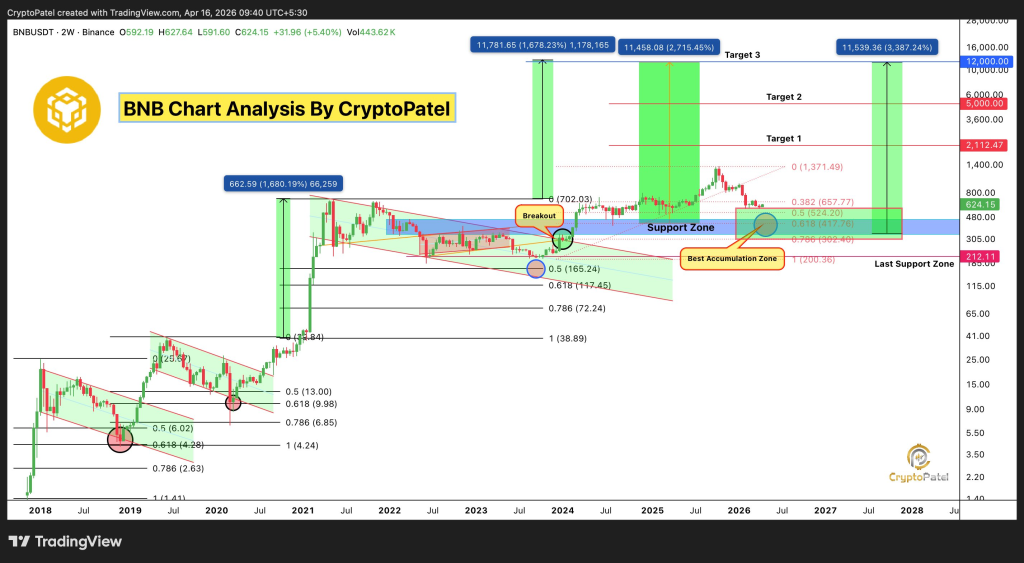
Top Analyst Reveals How BNB Investors Could Unlock “Life-Changing Returns”

Bitcoin Liquidations Dethroned? A Tokenized Bet Just Posted Crypto’s Biggest Loss


인기 뉴스
더보기
