

Fact Check: Is Trevor Noah’s claim that Nigerian drivers gamed Uber’s 100% bonus true?
A few days ago, global comic sensation Trevor Noah set Nigerian social media talking after he claimed that e-hailing drivers in Nigeria once gamed a promotional model introduced by the ride-hailing company, Uber.
During an episode of his What Now? with Trevor Noah podcast, the South African comedian narrated how Uber, while trying to “establish themselves” in various markets, was handing 100 per cent bonuses to drivers on every trip.
This, he said, was a move to push other platforms out of competition. Now, while it worked in other parts of the world, Nigerian drivers posed the proverbial brick wall, leading the company to cancel the promo globally.
“Nigerian taxi drivers and people who had cars did the calculations and realised that they could make money and not really have to drive anybody. So what Uber drivers did was they signed up to be Uber drivers, they then called themselves from the airport, picked up nobody from the airport, drove themselves into the city and then got the bonus amount, which paid for the gas, and then they took themselves back into the airport to get another fare that was a bonus. And they were making so much money doing this that Uber cancelled the scheme for the whole world,” Trevor Noah said.
Trevor Noah later praised Nigerian drivers, noting that Uber was scamming and that Nigerians taught them a lesson or two.
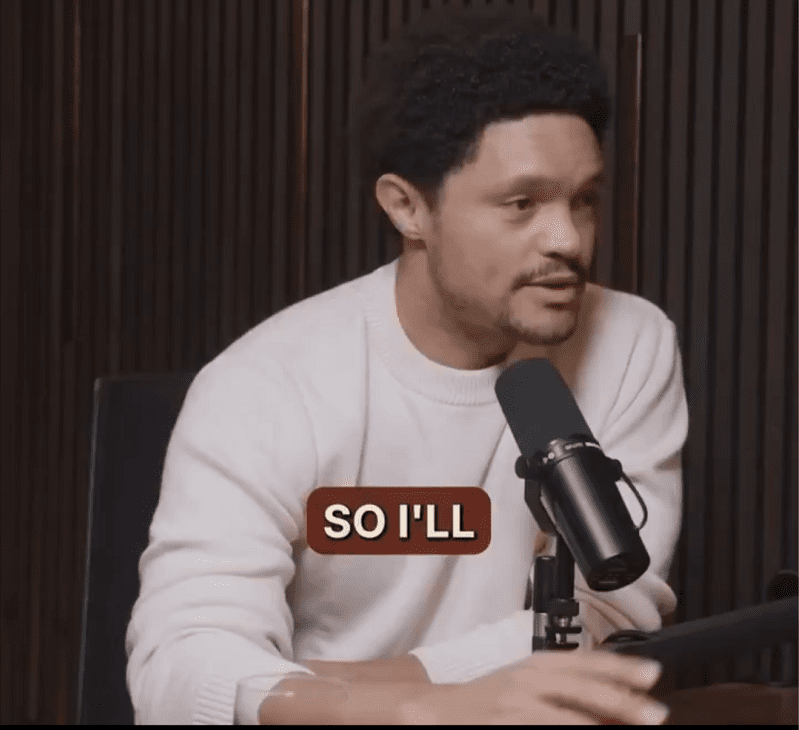 Screenshot of Trevor Noah on What Now? podcast
Did Nigerian drivers actually ‘run Uber street’ as Trevor Noah claimed?
Now, it is important to note that there was no timeline for Trevor Noah’s story. However, Uber entered the Nigerian market in 2014 as a luxury taxi service.
Due to the high standard it set at the time, the only Uber-compliant vehicles were SUVs, limousines, and the latest-model saloon cars. Its service was also limited to the posh areas of Lagos Island.
The only promos offered at the time were a N2,000 bonus to passengers on their first rides.
But Uber was suffering from the same problems first-movers encounter. It needed to get sustained customer interest in its service. For Uber, this meant keeping both passengers and drivers on the app. It also did not help that by 2016, Bolt (then Taxify) entered Nigeria with its hoi polloi-focused e-hailing service.
By 2017, Taxify, which was offering lower fares and lower commissions, was edging Uber out of the market, a situation which greatly alarmed the American company. Its first-mover advantage had disappeared in a year, and it found itself gasping for market share. With venture capitalist dollars still fresh in hand, the company decided to do something drastic to save its business.
Now it is not clear how big the bonuses were, but drivers who spoke with Technext about it generally agreed that drivers who completed upwards of 12 trips per day got a huge bonus, which became even bigger as the number of completed trips rose.
Now, the major problem was that Uber’s algorithm at the time couldn’t tell who was ordering a trip. This was unlike today, when there are diverse verification methods.
Drivers quickly discovered this and obtained two or more SIM cards; one was registered to a driver’s account, and the others were registered as passengers.
So the drivers ordered a ride with the passenger account, accepted, drove a short distance, ended the trip, and paid themselves the small fare. Then they repeated the process until they had their desired number of trips.
External players who weren’t drivers soon discovered there was free money to be made on Uber and decided to cash in.
The founding secretary of Nigeria’s ride-hailing union, Ayoade Ibrahim, who began app driving in 2015, explained that these external actors, who had inside help from some members of Uber staff, organised a few drivers and started making money off their enterprise.
 SIM cards were the currency
“At the time, some people were exploiting the system by using multiple SIM cards to request rides for themselves. I remember a group of boys from UNILAG approached me about it. Their method was simple: they would collect multiple SIM cards, you’d give them access to your Uber driver account (including your password), and they would handle the rest. Many drivers made good money from it. Once Uber credited the account, the drivers would then pay the guys their share,” he explained.
He further noted that this set of perpetrators had insider information from some Uber staff, which helped them pull it off.
“As soon as Uber discovered the loophole, they shut it down immediately and terminated some of their own employees involved. That period was also a tough time for Uber to gain market share because of strong competition from Taxify (now known as Bolt),” Ayoade said.
He further noted that Uber were only trying to lure drivers and passengers at the time. “It involved big money. They needed people to plug into the system so they could meet their targets — and then they would hit them with changes, just as they’re doing now. Note that Uber was running at a loss for almost ten years,” he said.
Verdict: While there aren't many publications about it, what Trevor Noah said actually did happen. While drivers did call themselves and each other from the airport, that would likely not be as lucrative and sustainable because it would have been easy for the company's app to detect across many functions, from GPS location to payments (at the time, Uber was only accepting digital payments). It only made sense that some wiz kids, with help from the inside, made sure the ruse went undetected for as long as possible. Ayoade noted that it went on for as long as 6 months.
As for whether the Nigerian experience led to the global cancellation of the programme, drivers generally believe Nigeria wasn’t the only country gaming Uber’s system.
“Global implications? I think it happened in several countries that’s why Uber had to cancel it altogether. Wherever there is a loophole, people will exploit it, whether in Nigeria or elsewhere,” one driver said.
See also: Lagos drivers protest Uber, Bolt and inDrive’s refusal to implement mandatory health insurance


추천 콘텐츠
Top Telegram Airdrop Bots Projects That Actually Pay
Nearly 100 billionaires and their spouses have donated to reelect Susan Collins
Brazil Predicted Lineup vs Morocco: Starting XI, Team News & Tactical Analysis


인기 뉴스
더보기
