A stablecoin is a stable cryptocurrency backed by fiat currency, cryptocurrencies, or other assets like gold. Its purpose is to anchor the value to fiat currencies such as the US dollar or Euro. ItA stablecoin is a stable cryptocurrency backed by fiat currency, cryptocurrencies, or other assets like gold. Its purpose is to anchor the value to fiat currencies such as the US dollar or Euro. It
Learn/Cryptocurrency Knowledge/Basic Concepts/What is Stablecoin?

What is Stablecoin?

Apr 21, 2026MEXC
0m
SUI
SUI$0.7194-5.72%
TONCOIN
TON$1.53-7.88%
Hyperliquid
HYPE$60.23-5.87%


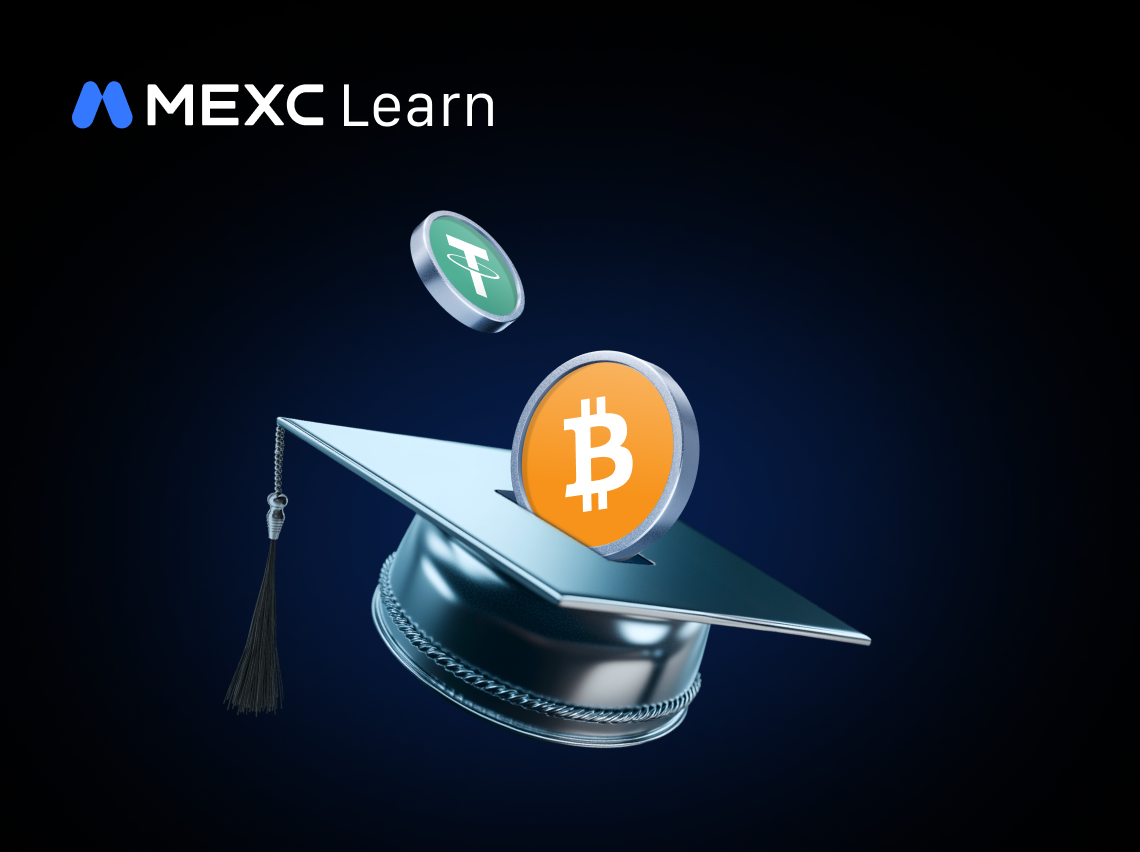
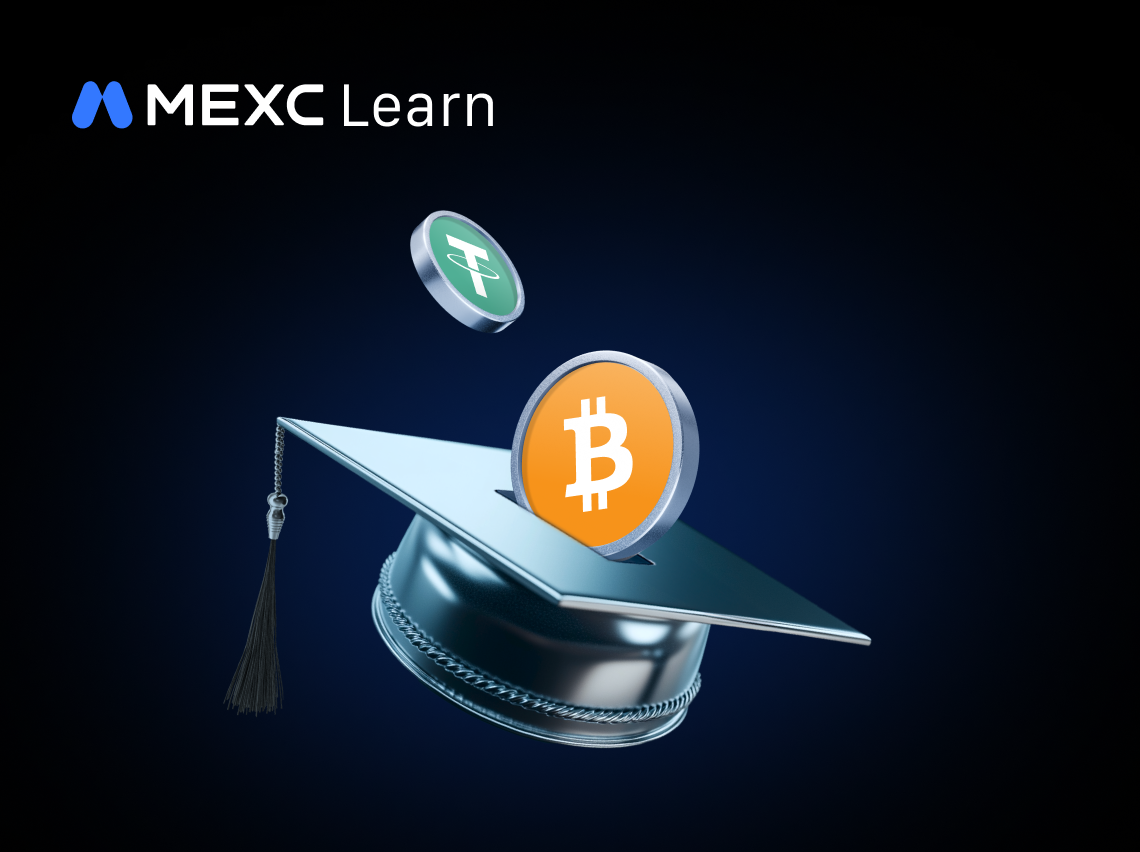
A stablecoin is a stable cryptocurrency backed by fiat currency, cryptocurrencies, or other assets like gold. Its purpose is to anchor the value to fiat currencies such as the US dollar or Euro. It combines the decentralized nature of blockchain with real-world fiat currency prices, thus avoiding drastic price fluctuations. Stablecoins are usually used as a medium of exchange.

The earliest stablecoin was USDT (Tether), introduced by Tether Limited in 2014. It is pegged to the US dollar at a 1:1 ratio. Tether claims that for every USDT issued, a corresponding number of US dollars are held in its official account. This ensures that the USDT tokens issued have an equivalent amount of USD as collateral, maintaining a 1:1 exchange ratio between USDT and USD. Moreover, users can verify funds on the Tether platform, ensuring transparency. In theory, this provides users with a high level of security and usability in terms of asset experience.

Additionally, stablecoins like USDC and USDS, which are popular among users, also peg their value to the US dollar and maintain a 1:1 exchange ratio.


1.Classification and Pros and Cons of Stablecoins


Stablecoins are typically categorized into three types: fiat-collateralized stablecoins, cryptocurrency-collateralized stablecoins, and algorithmic stablecoins.

Fiat-collateralized stablecoins are the most popular stablecoins in the market. They are directly pegged to fiat currency at a 1:1 ratio, such as the aforementioned USDT and USDC. The drawbacks of this type of stablecoin include centralization, lack of transparency, and the absence of reserve funds and guaranteed token redemption. Questions regarding whether the USD reserves are sufficient, whether issuing empty tokens could create market bubbles, the security of USD reserves, and the risk of misappropriation of collateral continue to raise concerns.

Cryptocurrency-collateralized stablecoins are similar to fiat-collateralized stablecoins but differ in using cryptocurrencies as collateral, as seen with USDS. The collateral itself is a decentralized cryptocurrency, which addresses credibility issues. This method enables users to create stablecoins by locking up collateral exceeding the total stablecoin amount. However, the challenge lies in the collateral itself, which is a digital asset prone to significant price fluctuations and lacks resilience against unforeseen events.

Algorithmic stablecoins, also known as non-collateralized stablecoins, do not require collateral or any other valuable assets for backing. Their value pegging is entirely achieved through algorithms and smart contracts. Smart contracts manage the supply of issued tokens, and stable prices are maintained through the deflationary/expansionary nature of the token supply, as seen in CrvUSD, FEI, and more. The downside of these stablecoins is that stability is usually maintained by centralized mechanisms, and monetary policies remain complex, unclear, unproven, with potentially inadequate incentive measures. Most projects of this type experience high volatility, and extreme situations can lead to price declines or even collapses, as seen in May 2022 when Luna's algorithmic stablecoin, UST, collapsed.


2.Why Do We Need Stablecoins?


The emergence of stablecoins is grounded in practical necessity. In contrast to fiat currencies, the cryptocurrency market is often volatile—token values often fluctuate significantly from their initial values—making it difficult for investors to store their digital assets. Stablecoins address this issue by being closely tied to underlying assets or fiat currencies, ensuring a stable valuation. Therefore, they can be considered trustworthy safe-haven assets in turbulent markets, as stablecoins can maintain their stability through various mechanisms.

3.Should You Invest in Stablecoins?


Stablecoins offer us a stable digital channel to maintain the stability of our profits. They provide liquidity and serve as a more stable form of decentralized cryptocurrency. However, stablecoins are primarily a means of exchange and collateral, lacking inherent investment qualities.

4.Conclusion


In conclusion, despite their limitations, stablecoins remain an essential part of the cryptocurrency market. Stablecoins are cryptocurrencies backed by assets with valuation, and under various regulatory mechanisms, they can maintain stability within predefined ranges. Therefore, stablecoins not only serve as transactional mediums but also become a "safe haven" for traders and investors, seen as a highly secure locus of long-term investment. If you want to acquire stablecoins, you purchase them quickly and easily on MEXC.


Market Opportunity
SUI Logo
SUI Price(SUI)
$0.7187
$0.7187$0.7187
+3.52%
USD
SUI (SUI) Live Price Chart

Popular Articles

View More
SUI Jumps 50% as Staking, Zero-Fee Stablecoins and Privacy Plans Fuel New Rally

SUI Jumps 50% as Staking, Zero-Fee Stablecoins and Privacy Plans Fuel New Rally

Key Takeaways SUI rose about 50% in seven days, moving from around $0.94 to $1.41. Trading volume reportedly jumped from about $213 million to more than $2.5 billion. Nasdaq-listed SUI Group Holdings

SUI vs Solana Comparison: Speed, Ecosystem, and Investment Breakdown

SUI vs Solana Comparison: Speed, Ecosystem, and Investment Breakdown

Two Layer-1 blockchains are dominating the conversation heading into 2026: SUI and Solana. Both promise fast transactions, low fees, and a thriving ecosystem — but they're built on entirely different

What is Sui Crypto? The Complete Guide to SUI Token Price, Features, and Future

What is Sui Crypto? The Complete Guide to SUI Token Price, Features, and Future

In the evolving landscape of blockchain technology, Sui stands out as a groundbreaking Layer-1 platform designed to revolutionize digital asset ownership. Whether you're a crypto enthusiast seeking

What is Blockchain? A Beginner's Guide to How It Works and Real-World Applications

What is Blockchain? A Beginner's Guide to How It Works and Real-World Applications

In today's rapidly evolving digital landscape, blockchain technology has emerged as one of the most revolutionary innovations since the internet itself. This comprehensive guide will walk you through

Hot Crypto Updates

View More
Can BEEG Hit 100x on the Sui Chain in 2026?

Can BEEG Hit 100x on the Sui Chain in 2026?

Can Beeg Blue Whale (BEEG) become the next 100x coin on the SUI chain in 2026? We break down BEEG's tokenomics, Sui ecosystem fundamentals, realistic price forecasts, and why MEXC is the smartest

Will BEEG Price Hit $1 in 2026?

Will BEEG Price Hit $1 in 2026?

Can Beeg Blue Whale (BEEG) really hit $1 in 2026? We break down BEEG's current market cap, Sui ecosystem growth, three price scenarios, and why MEXC is the smartest platform to watch for the BEEG

BEEG 2026: Can Community Momentum Drive the Next Breakout?

BEEG 2026: Can Community Momentum Drive the Next Breakout?

Can BEEG's community flywheel drive another breakout in 2026? This deep-dive covers its fair-launch tokenomics, Sui ecosystem tailwinds, the name-collision growth engine, and the Blue Whale Branding

BEEG's 2026 Rally: What the Data Actually Says

BEEG's 2026 Rally: What the Data Actually Says

Can BEEG's 2026 rally actually hold? This deep-dive analyzes Beeg Blue Whale's on-chain data, Sui ecosystem fundamentals, and three price scenarios to separate real momentum from hype. Overview A

Trending News

View More
Sui Introduces Confidential Transfers for Enhanced Privacy

Sui Introduces Confidential Transfers for Enhanced Privacy

Adeniyi Abiodun, co-founder and chief product officer at Mysten Labs, has announced the launch of confidential transfers on the Sui blockchain, marking a significant

SUI Price Crashes Into Historic Buy Zone: A Potential 10x Opportunity Is Emerging

SUI Price Crashes Into Historic Buy Zone: A Potential 10x Opportunity Is Emerging

SUI has spent months moving in the wrong direction. Every attempt at recovery has been followed by fresh selling pressure, and the token now finds itself trading

Cardano Supporter Gambardello Moves Part Holdings to $SUI

Cardano Supporter Gambardello Moves Part Holdings to $SUI

TLDR Dan Gambardello shifted part of his holdings from $ADA into $SUI during the recent market downturn. He confirmed that he still holds $ADA despite reallocating

Sui Unveils Confidential Transfers to Boost Privacy and Security

Sui Unveils Confidential Transfers to Boost Privacy and Security

Sui to Introduce Confidential Transfers as Network Expands Privacy Features and Security Protections The Sui blockchain ecosystem is preparing for one of its mo

Related Articles

View More
Crypto Fear and Greed Index Drops to Extreme Fear, What It Means and How Investors Should Respond

Crypto Fear and Greed Index Drops to Extreme Fear, What It Means and How Investors Should Respond

As of May 28, 2026, the crypto fear and greed index has dropped sharply to 22 — placing the market deep inside Extreme Fear territory once again.Social media is flooded with panic alerts, and traders
What is ERC-20?

What is ERC-20?

After years of development, Ethereum (ETH) has formed a complete ecosystem that allows developers to innovate and create complex DAPP (Decentralized Application) applications based on Ethereum. ERC-20
What is Blockchain?

What is Blockchain?

Blockchain is not only confusing to newcomers in the cryptocurrency world, but many seasoned traders in the cryptocurrency community may also find it challenging to fully understand. However, after re

What Is Unspent Transaction Output (UTXO)?

What Is Unspent Transaction Output (UTXO)?

Blockchain, at its core, is a decentralized distributed database or ledger. So, how does the "blockchain ledger" keep records? In current blockchain projects, there are two mainstream accounting metho

Sign Up on MEXC
Sign Up & Receive Up to 10,000 USDT Bonus
RealStocks Now Live
RealStocks Now LiveRealStocks Now Live
Trade real U.S. stock via regulated brokerage