Iranian President Maritime Blockade Rejection: Military Action Unacceptable, Declares Pezeshkian
BitcoinWorld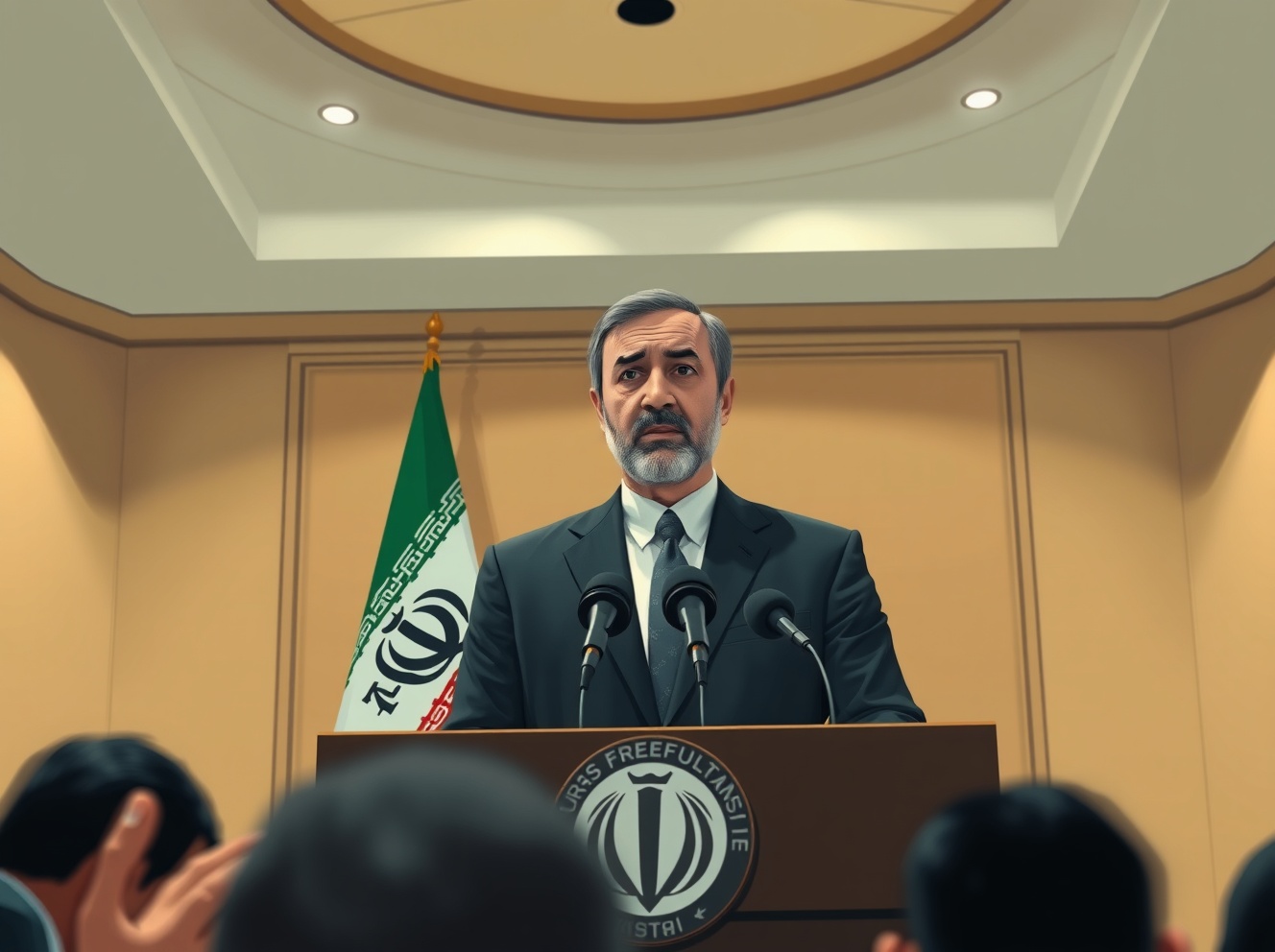
Iranian President Maritime Blockade Rejection: Military Action Unacceptable, Declares Pezeshkian
Iranian President Masoud Pezeshkian has firmly rejected any form of military action taken under the pretext of a maritime blockade. In a recent statement, he described such measures as an unacceptable extension of oppressive policies. This declaration comes amid heightened tensions in the region. The world, he noted, has witnessed Iran’s tolerance and willingness to pursue reconciliation. However, the continuation of these coercive actions, he stressed, is absolutely unacceptable. This stance carries significant implications for regional stability and global energy markets.
Iranian President Maritime Blockade: A Firm Stance Against Coercion
President Pezeshkian’s comments directly address ongoing geopolitical pressures. He specifically criticized measures framed as a maritime blockade. These actions, he argued, represent a form of military aggression. They target nations that pay a price for their resistance and independence. The Iranian leader emphasized that such tactics violate international norms. He called for a return to diplomatic dialogue instead. This position aligns with Iran’s long-standing narrative of opposing external interference. The maritime blockade issue remains a flashpoint in the region. It affects shipping lanes crucial for global oil transit.
Analysts view this statement as a clear red line. It signals Iran’s unwillingness to capitulate under pressure. The country has faced similar blockades in the past. These measures often disrupt its economy and trade. Pezeshkian’s rhetoric aims to rally domestic support. It also seeks to attract international attention to what Iran perceives as unjust aggression. The maritime blockade has become a central tool in recent sanctions campaigns. Critics argue it harms civilian populations more than governments. This humanitarian angle adds urgency to the president’s rejection.
Background of Tensions: Maritime Blockade and Regional Dynamics
The maritime blockade issue is not new. It stems from long-standing disputes over Iran’s nuclear program. Western nations have used naval deployments to enforce sanctions. These actions restrict Iran’s ability to export oil. They also limit imports of essential goods. The Strait of Hormuz is a critical chokepoint here. Approximately 20% of the world’s oil passes through it. Any blockade disrupts global energy supplies. Iran has historically threatened to close the strait in retaliation. This creates a cycle of escalation.
Recent events have intensified these dynamics. The United States and its allies have increased naval presence in the Persian Gulf. They cite the need to protect commercial shipping. Iran views this as a provocation. President Pezeshkian’s statement reflects this tension. He frames the blockade as a pretext for broader military action. This interpretation resonates with many in the region. It taps into historical grievances about foreign intervention. The maritime blockade thus becomes a symbol of resistance.
Impact on Global Energy Markets
The maritime blockade directly affects oil prices. Any disruption in the Strait of Hormuz causes market volatility. Traders react swiftly to political statements. Pezeshkian’s rejection of military action adds uncertainty. It signals potential confrontation. Energy analysts monitor these developments closely. They note that sustained tensions could push prices higher. This impacts economies worldwide. Developing nations are particularly vulnerable. They rely heavily on stable oil imports. The maritime blockade issue therefore has global consequences. It extends beyond regional politics into everyday economic life.
Iran has sought alternative trade routes. It uses barter systems and non-dollar transactions. These measures mitigate some blockade effects. However, they cannot fully replace open maritime access. The country’s economy has suffered under sanctions. Inflation and unemployment remain high. Pezeshkian’s government faces pressure to address these issues. His strong stance on the blockade aims to deflect domestic criticism. It also unifies nationalist sentiment. This political calculation is common in times of external pressure.
Iran’s Tolerance and Will for Reconciliation
President Pezeshkian highlighted Iran’s past tolerance. He pointed to efforts at diplomatic engagement. The country has participated in nuclear talks. It has also engaged with regional neighbors. These actions demonstrate a willingness to find common ground. However, he argues that this goodwill has been met with hostility. The maritime blockade represents a betrayal of trust. It undermines prospects for peaceful resolution. This narrative is central to Iran’s foreign policy. It portrays the nation as a victim of aggression. This framing garners sympathy from non-aligned countries.
Iran’s diplomatic overtures have yielded limited results. The Joint Comprehensive Plan of Action (JCPOA) was a key achievement. The US withdrawal from the deal in 2018 derailed progress. Since then, tensions have escalated. The maritime blockade has become a recurring issue. Iran insists on its right to free navigation. It also demands respect for its sovereignty. These principles are enshrined in international law. Pezeshkian’s statement reinforces this legal argument. It positions Iran as a defender of international norms. This appeals to global audiences weary of unilateral actions.
Regional Reactions and Alliances
Neighboring countries have responded cautiously. Some support Iran’s position. Others align with Western powers. The maritime blockade creates a divide. Gulf states fear economic disruption. They also worry about military escalation. Iran has cultivated alliances with groups in Iraq, Lebanon, and Yemen. These proxies could be activated in a conflict. Pezeshkian’s statement serves as a warning. It signals that any military action will have consequences. Regional stability hangs in the balance. Diplomatic channels remain open but strained.
Russia and China have expressed solidarity with Iran. They oppose unilateral sanctions and blockades. Both nations advocate for a multilateral approach. This aligns with their broader geopolitical interests. They seek to challenge Western dominance. The maritime blockade issue provides a platform for this critique. Iran benefits from this support. It gains diplomatic cover at the United Nations. This international dimension complicates any potential military action. It also increases pressure for negotiated solutions.
Military Action Under Pretext: A Dangerous Precedent
President Pezeshkian’s main argument focuses on pretext. He claims that the maritime blockade is a cover for military action. This accusation is serious. It implies bad faith on the part of adversaries. Historical examples support this concern. Blockades have often preceded military interventions. The 1990s Iraq sanctions are a case in point. They led to humanitarian crises. They also paved the way for later military action. Iran fears a similar trajectory. Its leaders frequently cite this history. They use it to justify their hardline stance.
The international community must take these concerns seriously. Accusations of pretext undermine trust. They make diplomatic solutions harder to achieve. Verification mechanisms could help. Independent monitoring of maritime activities might reduce suspicions. However, such proposals face political hurdles. The current climate is polarized. Each side views the other with deep suspicion. Pezeshkian’s statement reflects this reality. It is both a political message and a strategic warning. The world should heed its implications.
Humanitarian Consequences of Maritime Blockades
Blockades have severe humanitarian impacts. They restrict food, medicine, and essential goods. Iran’s population already faces economic hardship. A tightened blockade could worsen conditions. International organizations have raised alarms. The World Food Programme and WHO monitor the situation. They report shortages of critical supplies. Children and the elderly are most vulnerable. President Pezeshkian’s rejection of the blockade includes this humanitarian dimension. He frames it as a moral issue. This appeals to global conscience. It also pressures adversaries to reconsider their policies.
Sanctions regimes often include humanitarian exemptions. In practice, these exemptions are difficult to implement. Banks and shipping companies fear secondary sanctions. They avoid transactions with Iran. This creates de facto blockades. The result is widespread suffering. Iran’s government uses this to rally domestic support. It also seeks international sympathy. The maritime blockade thus becomes a propaganda tool. Both sides use it to advance their narratives. The human cost, however, is real and undeniable.
Conclusion
President Masoud Pezeshkian’s rejection of military action under the maritime blockade pretext marks a significant moment. It underscores Iran’s determination to resist external pressure. The statement highlights the nation’s past tolerance and desire for reconciliation. However, it also draws a clear line. The continuation of oppressive measures is absolutely unacceptable. This stance has implications for regional stability, global energy markets, and international diplomacy. The maritime blockade remains a contentious issue. Its resolution requires genuine dialogue and mutual respect. Without it, the risk of escalation persists. The world must engage with Iran’s concerns seriously. Only then can a sustainable solution emerge.
FAQs
Q1: What did Iranian President Masoud Pezeshkian say about the maritime blockade?
He stated that military action under the pretext of a maritime blockade is unacceptable. He called it an oppressive measure against nations that resist and seek independence.
Q2: Why is the Strait of Hormuz important in this context?
The Strait of Hormuz is a critical chokepoint for global oil transit. About 20% of the world’s oil passes through it. Any blockade there disrupts energy markets and raises prices.
Q3: How does Iran view the maritime blockade?
Iran views it as a pretext for broader military action. It sees the blockade as a violation of international law and its sovereignty. President Pezeshkian emphasized Iran’s tolerance but rejected continued oppression.
Q4: What are the humanitarian impacts of the blockade?
The blockade restricts imports of food, medicine, and essential goods. This exacerbates economic hardship in Iran. International organizations report shortages affecting vulnerable populations like children and the elderly.
Q5: What is Iran’s stance on diplomatic reconciliation?
Iran expresses willingness for reconciliation. It has participated in nuclear talks and regional diplomacy. However, it insists that such efforts must be met with respect and not with coercive measures like blockades.
This post Iranian President Maritime Blockade Rejection: Military Action Unacceptable, Declares Pezeshkian first appeared on BitcoinWorld.


You May Also Like

Best Mobile User Retention Tools in 2026

Iran’s foreign minister targeted in assassination attempt, wife killed