

Asian Stocks Trade Mixed as US-Iran Peace Talks Progress; Japan’s Nikkei Surges 2%
BitcoinWorld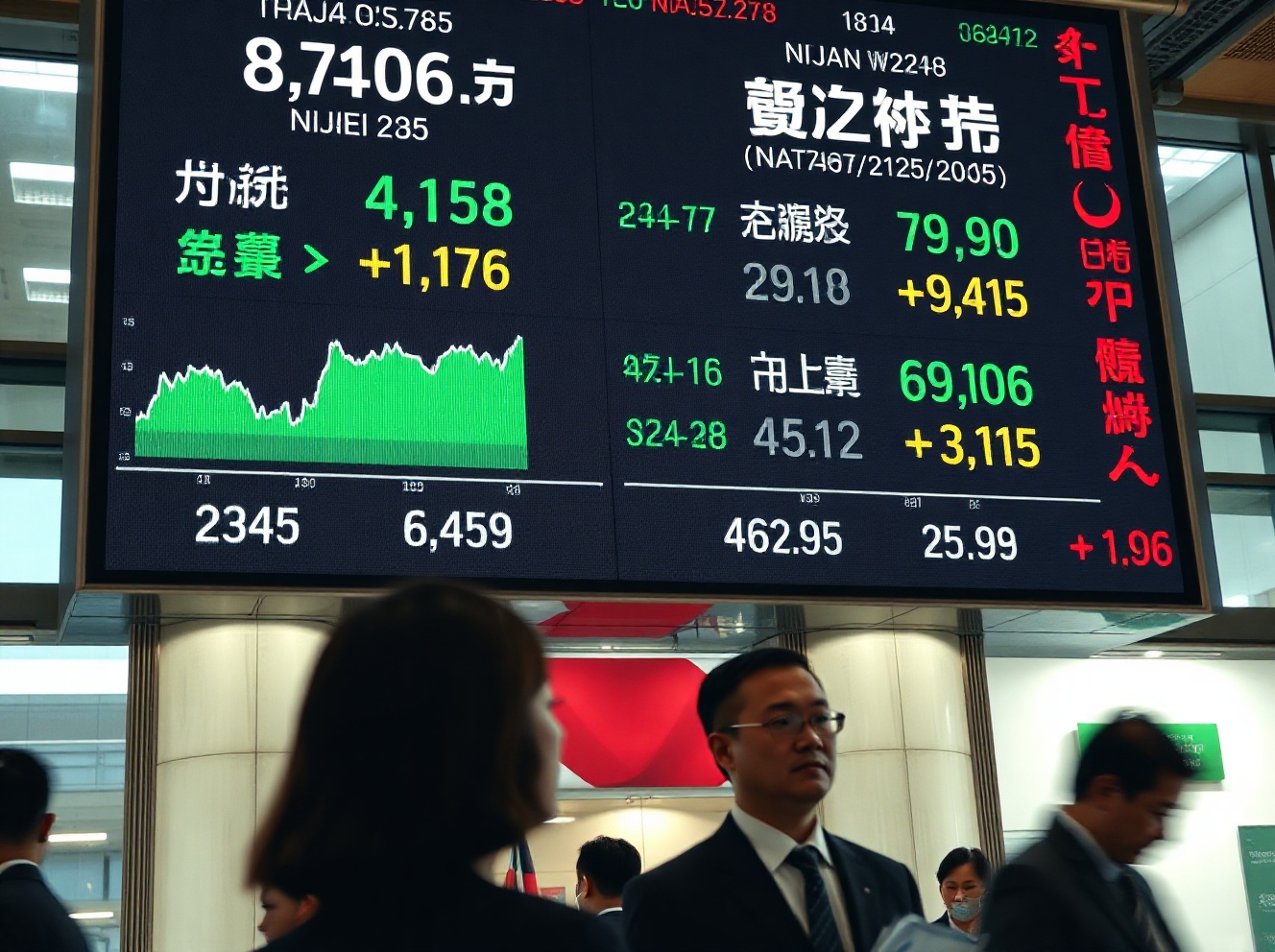
Asian Stocks Trade Mixed as US-Iran Peace Talks Progress; Japan’s Nikkei Surges 2%
Asian stock markets displayed a mixed performance on Tuesday, as investors weighed the potential implications of ongoing US-Iran peace talks against domestic economic factors. Japan’s Nikkei 225 index stood out with a notable rally of 2%, driven by a weaker yen and renewed investor confidence in export-oriented sectors.
Mixed Signals Across the Region
While the Nikkei climbed sharply, other major Asian indices showed more cautious movement. Markets in South Korea, China, and Australia traded in a narrow range, reflecting uncertainty about the pace of diplomatic progress between Washington and Tehran. The US-Iran talks, which have shown signs of de-escalation in recent days, are being closely watched for their potential to reduce geopolitical risk premiums in global oil prices and regional security.
Japan’s Nikkei Rallies on Yen Weakness and Corporate Optimism
The Nikkei’s 2% gain was supported by a depreciation of the Japanese yen against the US dollar, which benefits major exporters like Toyota, Sony, and Nintendo. Additionally, positive earnings guidance from several blue-chip firms has reinforced investor sentiment. The rally marks a recovery from recent losses tied to global trade tensions and interest rate concerns.
What the US-Iran Talks Mean for Asian Markets
Progress in US-Iran negotiations could lead to a relaxation of sanctions and a potential increase in global oil supply, which would lower energy costs for Asian importers. However, the talks remain fragile, and any breakdown could reignite volatility. For now, markets are pricing in a cautious optimism, with energy and defense sectors seeing the most direct impact.
Broader Implications for Investors
The divergent performance across Asia highlights the importance of country-specific factors. Japan’s rally contrasts with the more subdued trading in China, where regulatory uncertainty in the tech sector continues to weigh on sentiment. Investors are advised to monitor diplomatic developments closely, as any shift in US-Iran relations could have outsized effects on oil-dependent economies in the region.
Conclusion
Tuesday’s trading session underscores a region in flux, balancing geopolitical progress with domestic economic realities. The Nikkei’s strong rally offers a bright spot, but the overall mixed performance suggests that markets are still seeking clearer direction. Continued diplomatic engagement between the US and Iran will be a key variable for Asian equities in the weeks ahead.
FAQs
Q1: Why did Japan’s Nikkei rally while other Asian markets were mixed?
The Nikkei benefited from a weaker yen, which boosts export earnings, and positive corporate earnings reports. Other markets were more cautious due to uncertainty about US-Iran talks and domestic regulatory issues.
Q2: How do US-Iran peace talks affect Asian stock markets?
Progress in talks can reduce geopolitical risk and lower oil prices, benefiting energy-importing Asian economies. Conversely, a breakdown could increase volatility and hurt investor confidence.
Q3: Should investors expect continued volatility in Asian markets?
Yes, until there is more clarity on US-Iran negotiations and central bank policies. Markets are likely to remain sensitive to diplomatic headlines and economic data releases.
This post Asian Stocks Trade Mixed as US-Iran Peace Talks Progress; Japan’s Nikkei Surges 2% first appeared on BitcoinWorld.


You May Also Like

Lorry driver in FRU truck case acquitted of charge over stolen cows

BitGo Launches Stablecoin Minting and Redemption Service for Institutions

Gold Prices Whipsaw as Diplomatic Progress Clashes With Fed’s Hawkish Stance


Trending News
More24/7 Live News
MoreQuick Reads
More
