

CBOE Weighs Shift from Bitcoin and Ethereum Rollover Futures to Perpetuals
BitcoinWorld
CBOE Weighs Shift from Bitcoin and Ethereum Rollover Futures to Perpetuals
The Chicago Board Options Exchange (CBOE) is reportedly evaluating a significant structural change to its digital asset derivatives lineup: converting its existing Bitcoin (BTC) and Ethereum (ETH) rollover futures products into perpetual futures. The potential move, highlighted by industry executive Nate Geraci, signals a growing convergence between traditional finance infrastructure and crypto-native trading instruments.
What Perpetual Futures Mean for TradFi
Perpetual futures, unlike standard futures contracts, have no expiration date. They allow traders to hold positions indefinitely, using a funding rate mechanism to keep the contract price aligned with the underlying spot market. This product has become a cornerstone of crypto trading globally, but it has remained largely absent from regulated U.S. exchanges — until now.
Geraci, CEO of Novadius Wealth Management, noted that traditional finance institutions are being forced to adapt to innovations born in the crypto ecosystem. “This is just the beginning,” he said, emphasizing that the CBOE’s consideration reflects a broader trend of TradFi responding to market demand for more flexible and capital-efficient trading tools.
Regulatory Signals and the CFTC’s Role
The potential shift follows a statement from Rob Hocking, CBOE’s Head of Global Derivatives, who confirmed in December 2025 that the exchange was reviewing such a conversion. More critically, the U.S. Commodity Futures Trading Commission (CFTC) recently signaled a willingness to allow registered U.S. trading platforms to list perpetual futures. This regulatory openness is a pivotal development, as it would bring a product that has long thrived in offshore and unregulated markets under the oversight of a major U.S. regulator.
For market participants, the implications are substantial. Perpetual futures could attract more institutional liquidity to digital asset markets, offering a familiar derivatives structure with enhanced flexibility. However, the funding rate mechanism and the potential for infinite leverage also introduce new risk management considerations for both exchanges and regulators.
Why This Matters to Traders and Investors
For traders, the introduction of CBOE-listed perpetual futures would mean access to a deeply liquid, regulated, and transparent market for a product that is currently dominated by offshore exchanges. For investors, it represents another step in the maturation of digital assets as an institutional asset class. The move could also pressure other traditional exchanges to innovate, potentially accelerating the integration of crypto-native features into mainstream financial products.
Conclusion
The CBOE’s exploration of perpetual futures for Bitcoin and Ethereum marks a potential inflection point for the digital asset derivatives market. With the CFTC signaling openness and TradFi leaders acknowledging the need to adapt, the stage is set for a significant product evolution. While no final decision has been announced, the direction is clear: the lines between traditional finance and crypto-native innovation continue to blur.
FAQs
Q1: What is the difference between a rollover futures contract and a perpetual futures contract?
A rollover futures contract has a set expiration date and must be rolled over or settled at expiry. A perpetual futures contract has no expiration, allowing traders to hold positions indefinitely using a funding rate mechanism to maintain price alignment with the spot market.
Q2: Why would the CBOE want to offer perpetual futures?
The CBOE is responding to market demand for more flexible trading instruments. Perpetual futures are extremely popular in crypto markets, and offering them on a regulated U.S. exchange could attract significant institutional volume and liquidity.
Q3: Is the CFTC likely to approve perpetual futures on U.S. exchanges?
The CFTC has recently indicated it might allow registered U.S. trading platforms to list perpetual futures. While no formal approval has been granted, the regulatory signal is a strong positive for the product’s potential introduction in the U.S. market.
This post CBOE Weighs Shift from Bitcoin and Ethereum Rollover Futures to Perpetuals first appeared on BitcoinWorld.


You May Also Like
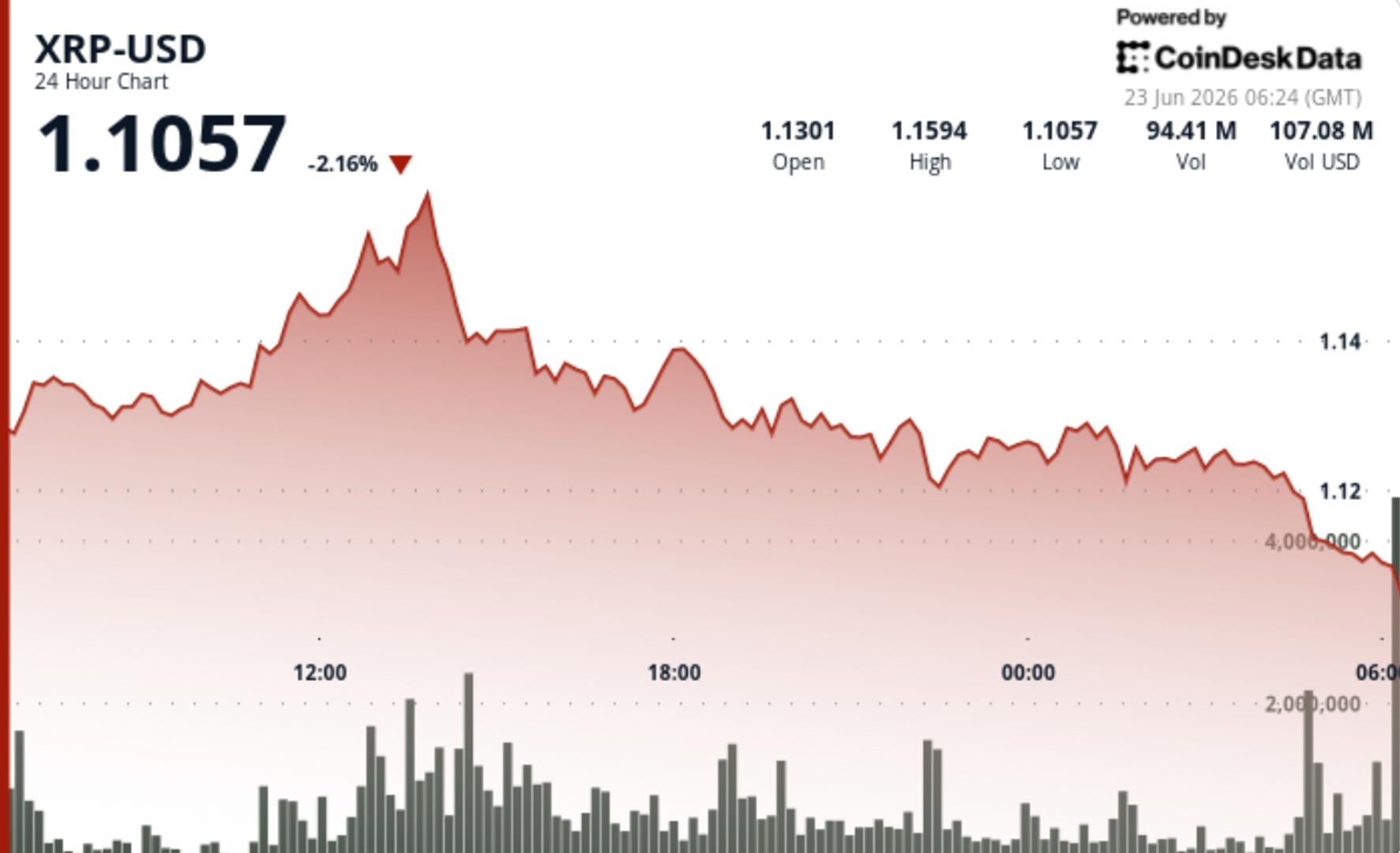
XRP drifts toward $1.10 support as traders await break from three-week range

Crypto Lobby Pushes Congress to Pass Staking and Mining Tax Bill

Admissions based on merit, not money, say public varsity chiefs



