

Dollar Holds Near One-Year High as Markets Await Fresh Rate Cues; Yen Stays in Intervention Zone
BitcoinWorld
Dollar Holds Near One-Year High as Markets Await Fresh Rate Cues; Yen Stays in Intervention Zone
The U.S. dollar remained near its highest level in over a year on Tuesday, as traders turned their attention to upcoming Federal Reserve signals for further direction. Meanwhile, the Japanese yen continued to trade in territory that has historically prompted government intervention, keeping currency markets on edge.
Dollar Strength Driven by Rate Expectations
The greenback has rallied sharply over recent weeks, supported by expectations that the Federal Reserve will maintain higher interest rates for longer than previously anticipated. Strong U.S. economic data, including resilient employment figures and sticky inflation readings, have pushed back bets on early rate cuts.
The dollar index, which measures the currency against a basket of six major peers, hovered near 106.00, just shy of the one-year peak touched earlier this month. Analysts say the next major catalyst will be the Fed’s upcoming policy meeting, where officials are expected to provide updated economic projections and a clearer timeline on rate moves.
Yen Remains Under Pressure
In Asia, the Japanese yen remained under significant selling pressure, with the USD/JPY pair trading around the 152 level. This zone has historically been viewed by markets as a line in the sand for Japanese authorities, who have previously intervened to support the currency when it weakened beyond this point.
Finance Minister Shunichi Suzuki reiterated on Tuesday that authorities are watching currency movements with a high sense of urgency and will take appropriate action against excessive volatility. However, traders remain skeptical about the effectiveness of intervention given the wide interest rate differential between Japan and the United States.
Why This Matters for Investors
The dollar’s sustained strength has broad implications for global markets. A stronger dollar makes U.S. exports more expensive, potentially weighing on corporate earnings for multinational companies. It also increases debt servicing costs for emerging economies that borrow in dollars, adding to financial stability risks.
For Japanese importers and consumers, a weaker yen raises the cost of imported goods, including energy and food, adding to inflationary pressures. The Bank of Japan’s ultra-loose monetary policy remains a key driver of yen weakness, and any shift in its stance would have significant repercussions for global currency markets.
Conclusion
The dollar’s trajectory in the coming weeks will depend heavily on the Fed’s messaging and incoming economic data. For the yen, the threat of intervention remains a key risk, but without a change in monetary policy fundamentals, sustained relief appears unlikely. Traders should brace for potential volatility as both central banks navigate a complex macroeconomic landscape.
FAQs
Q1: What level would trigger Japanese yen intervention?
Historically, Japanese authorities have intervened when the yen weakened beyond the 150-152 range against the dollar. However, the exact trigger depends on the pace and volatility of moves, not just the level.
Q2: Why is the U.S. dollar so strong right now?
The dollar is being supported by expectations that the Federal Reserve will keep interest rates higher for longer due to persistent inflation and a resilient U.S. economy, attracting yield-seeking capital.
Q3: How does a strong dollar affect emerging markets?
A strong dollar makes it more expensive for emerging market countries to service dollar-denominated debt, can lead to capital outflows, and puts pressure on their own currencies, potentially triggering financial instability.
This post Dollar Holds Near One-Year High as Markets Await Fresh Rate Cues; Yen Stays in Intervention Zone first appeared on BitcoinWorld.


You May Also Like
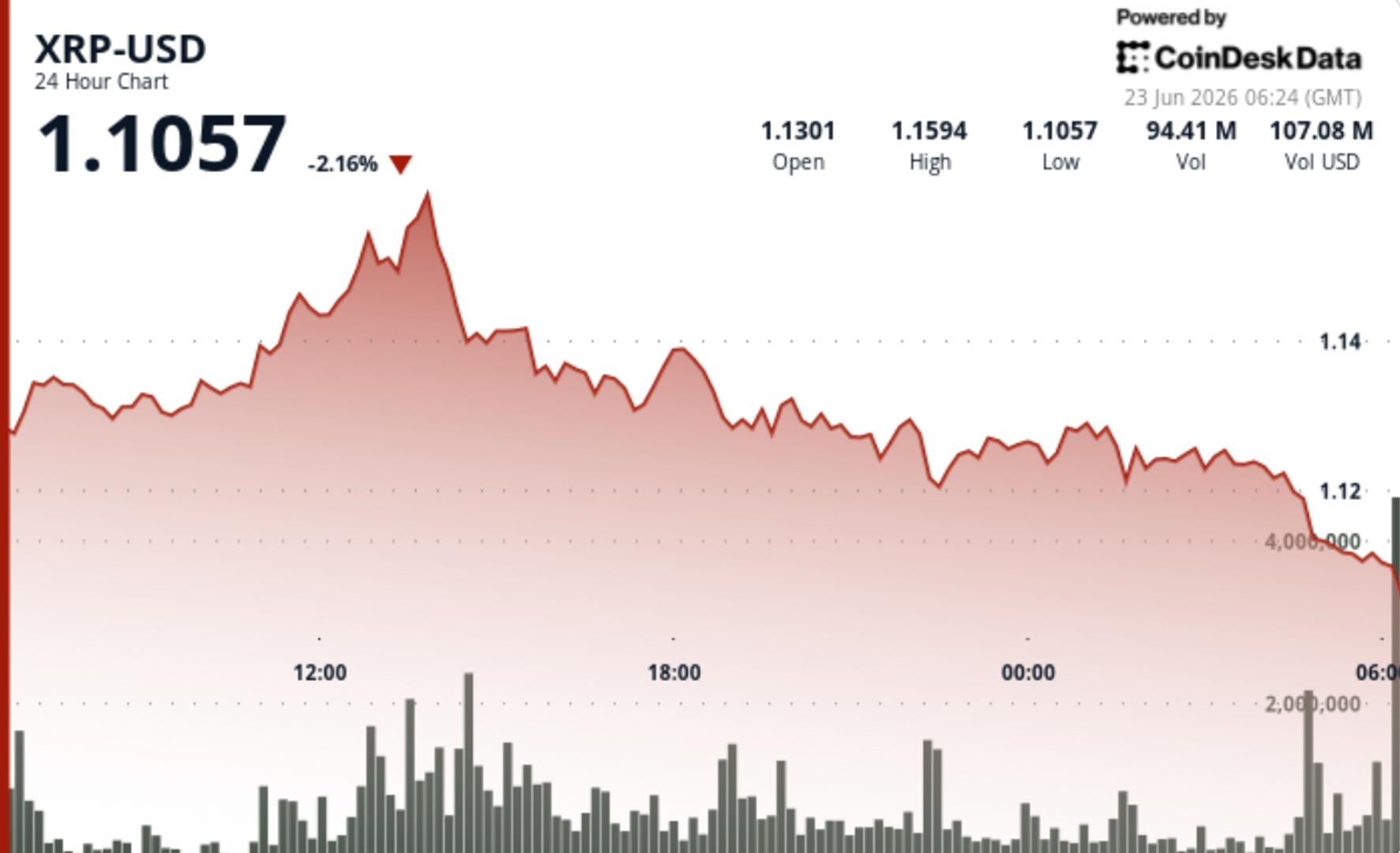
XRP drifts toward $1.10 support as traders await break from three-week range

Crypto Lobby Pushes Congress to Pass Staking and Mining Tax Bill

Admissions based on merit, not money, say public varsity chiefs



