

Germany and France Lead as EU Grants 244 MiCA Crypto Licenses Ahead of Deadline
- The European Union has approved 244 MiCA crypto licenses, with Germany and France being the top issuers within member states.
- The pending deadline makes it difficult for unlicensed crypto companies to satisfy MiCA regulation requirements or leave the EU markets.
The European Union has approved 244 crypto licenses through the Markets in Crypto-Assets Regulation as implementation nears the end of its transition period. The data from ESMA’s interim MiCA register reveals Germany and France as the top jurisdictions in terms of licensing.
Germany has granted authorization to 57 crypto-asset service providers, which account for about twenty-three percent of all MiCA authorizations approved in Europe to date. Next in line is France with 26 authorized providers, alongside the Netherlands as one of the biggest authorization centers in Europe.
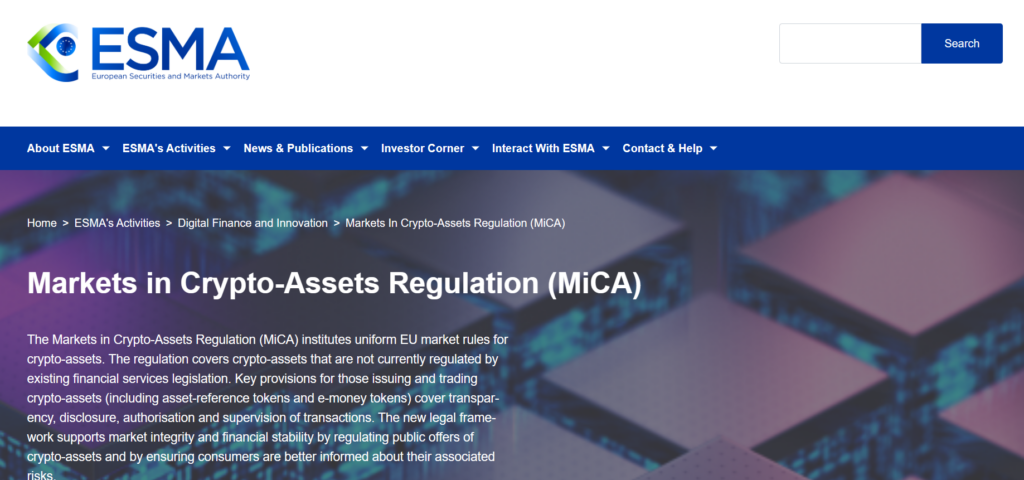
Deadline for MiCA Fuels Industry Transition
Germany and France together hold more than one-third share of all MiCA authorizations issued so far across the European Economic Area. This shows how rapidly authorized bodies are replacing the fragmented licensing process across the growing cryptocurrency industry in Europe due to MiCA.
Under MiCA, authorized crypto companies can passport their services across the entire European Economic Area using a single regulatory authorization process. The companies that receive authorization within a single member state can now expand across European markets without acquiring additional national crypto registration.
The deadline for transition is fast approaching, putting further pressure on those companies that are still functioning within the previous national registration system across European markets. French authorities have cautioned unregistered firms to either stop servicing customers, devise exit strategies, or else face possible enforcement action.
Compliance Standards Transform European Crypto Marketplace
The rise in MiCA authorizations will also impose higher compliance obligations on exchanges, custodians, brokers, wallets and crypto platforms operating in Europe. Companies that want to be licensed will need to implement good corporate governance, cybersecurity measures, anti-money laundering rules, capital management and operational practices before receiving the license.
The rising number of licenses is also evidence of Europe’s determination to build a single cryptocurrency market with unified regulatory standards. With more and more companies becoming licensed, regulators hope to see enhanced investor protection, increased transparency, and market integrity in participating countries. These numbers prove that Europe is making another step forward in the transition from separate national regimes to a common cryptocurrency market with standard compliance and regulation based on MiCA.
Highlighted Crypto News:
SEC Wins $5.4 Million Judgment Against NanoBit in Crypto Fraud Case


You May Also Like

Eurozone Inflation Cools Faster Than Expected to 2.8% in June, Raising Hopes for ECB Pause

Djokovic, Sinner hope for easier ride after Wimbledon scares


