BitcoinWorld Meta’s Strategic Acquisition of AI Startup Limitless Reshapes the Wearables Market In a move that signals a major consolidation in the AI hardware space, tech giant Meta has acquired the innovative AI startup Limitless. This strategic Meta acquisition marks a significant shift for the company formerly known as Rewind, which gained attention for its AI-powered pendant designed to record and transcribe conversations. For the crypto and […] This post Meta’s Strategic Acquisition of AI Startup Limitless Reshapes the Wearables Market first appeared on BitcoinWorld.BitcoinWorld Meta’s Strategic Acquisition of AI Startup Limitless Reshapes the Wearables Market In a move that signals a major consolidation in the AI hardware space, tech giant Meta has acquired the innovative AI startup Limitless. This strategic Meta acquisition marks a significant shift for the company formerly known as Rewind, which gained attention for its AI-powered pendant designed to record and transcribe conversations. For the crypto and […] This post Meta’s Strategic Acquisition of AI Startup Limitless Reshapes the Wearables Market first appeared on BitcoinWorld.

Meta’s Strategic Acquisition of AI Startup Limitless Reshapes the Wearables Market
2025/12/06 05:25
Meta's Strategic Acquisition of AI Startup Limitless Reshapes the Wearables Market

BitcoinWorld
Meta’s Strategic Acquisition of AI Startup Limitless Reshapes the Wearables Market

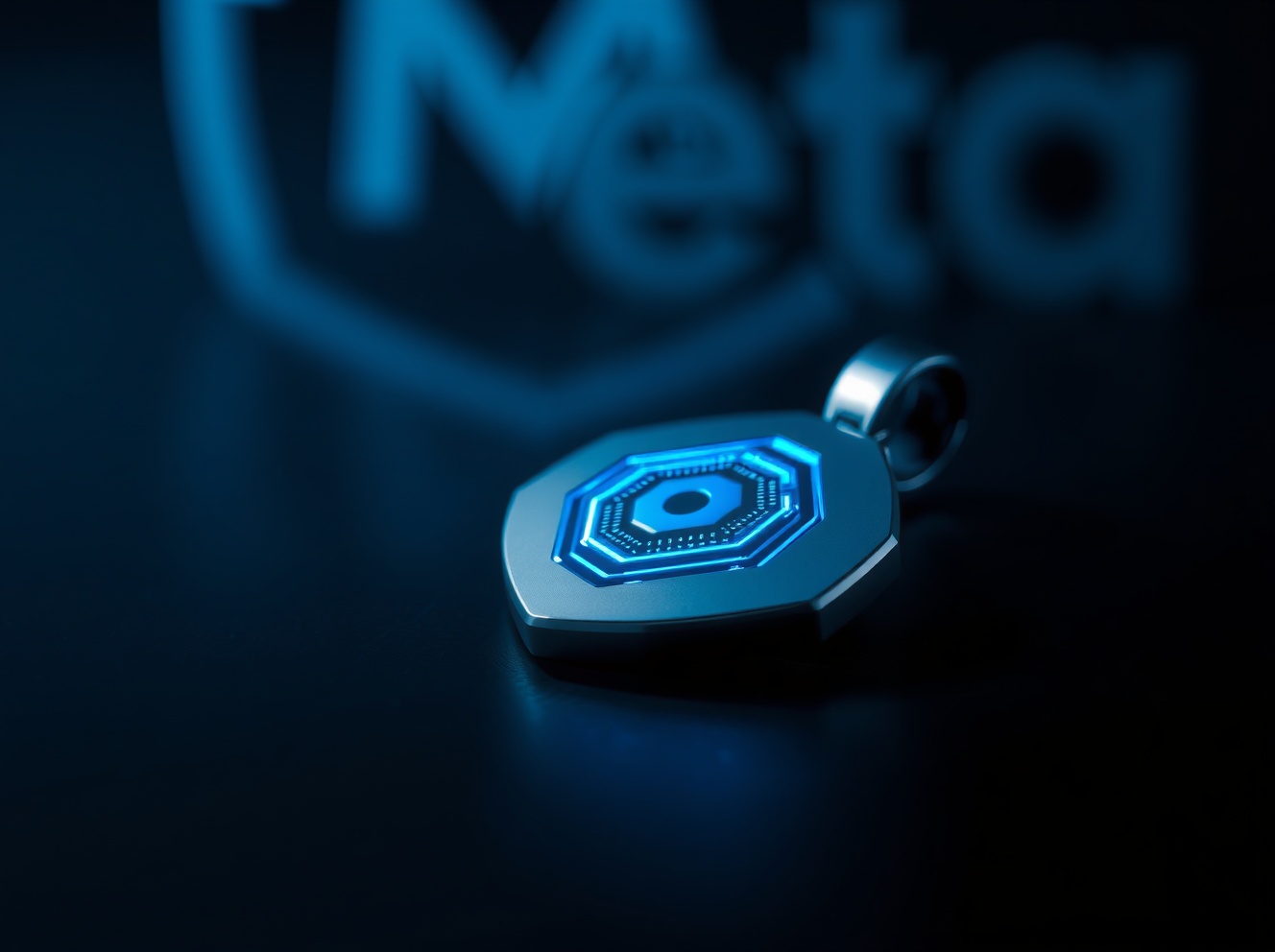
In a move that signals a major consolidation in the AI hardware space, tech giant Meta has acquired the innovative AI startup Limitless. This strategic Meta acquisition marks a significant shift for the company formerly known as Rewind, which gained attention for its AI-powered pendant designed to record and transcribe conversations. For the crypto and tech communities watching the intersection of artificial intelligence and consumer devices, this deal highlights the intense competition and the challenges smaller innovators face against industry titans.

What Does the Meta Acquisition Mean for Limitless?

The announcement, made on Limitless’s website, brings immediate changes for its user base. The company will cease all sales of its signature AI wearables, the $99 Limitless pendant. Existing customers will receive support for one year and will be moved to a free Unlimited Plan, eliminating subscription fees. However, the company will wind down other functionalities, including its desktop recording software ‘Rewind’. This pivot suggests Meta is more interested in the startup’s underlying AI technology and talent than its current consumer product line.

The Rise and Pivot of an AI Startup

Founded by Brett Bejcek and Dan Siroker (co-founder and former CEO of Optimizely), the company began with a focus on software before pivoting to hardware last year. The Limitless pendant, a wearable device that could be attached to clothing or worn as a necklace, was part of a nascent wave of dedicated AI hardware devices, competing with products like the ‘Friend’ pendant. The AI startup‘s journey reflects the turbulent path of bringing specialized AI devices to a mass market.

Aligning Visions: Superintelligence and AI Wearables

In its announcement, Limitless stated it shares Meta’s vision to “bring personal superintelligence to everyone,” a goal that inherently involves AI wearables. Meta’s current focus is on augmented reality and AI glasses, such as its Ray-Ban Meta smart glasses. The acquisition likely means Limitless’s team will contribute to enhancing these existing platforms rather than developing a new Meta-branded pendant. This integration points to a future where advanced, ambient AI is seamlessly woven into the eyewear and devices we already use.

Why Sell? The Challenge for Independent AI Hardware

Dan Siroker’s statement hinted at the market pressures that led to the sale. He noted that while their idea was once considered “ludicrous,” the landscape has changed dramatically. Today, giants like OpenAI, Meta, and others are aggressively developing their own AI and hardware ecosystems. For a small AI startup, competing in R&D, manufacturing, and marketing against these behemoths became an immense challenge. This Meta acquisition can be seen as a strategic exit that ensures the technology lives on within a larger platform.

Key Changes for Limitless Customers Post-Acquisition
FeatureStatus After Acquisition
Pendant Hardware SalesPermanently Halted
Customer SupportMaintained for 1 Year
Subscription FeesWaived; Users moved to Unlimited Plan
Rewind Desktop SoftwareFunctionality Wound Down
User DataOption to Export or Delete via App

The Bigger Picture: Consolidation in the AI Device Market

This acquisition is a clear indicator of the accelerating consolidation in the AI hardware sector. It follows a pattern where large technology companies absorb promising startups to bolster their own capabilities, accelerate development, and neutralize potential competitors. For consumers and developers, this trend suggests that the future of specialized AI wearables may not lie in standalone gadgets but in features integrated into broader ecosystems from companies like Meta, Apple, and Google.

FAQs: Meta’s Acquisition of Limitless

What is Limitless?
Limitless is an AI startup, formerly known as Rewind, that developed an AI-powered pendant to record and transcribe conversations.

Who founded Limitless?
The company was founded by Brett Bejcek and Dan Siroker.

What will happen to the Limitless pendant?
Sales have stopped. Existing devices will be supported for one year, but no new hardware will be produced.

Why did Meta acquire Limitless?
Meta likely acquired the company for its AI technology and talent to advance its own goals in AI wearables, particularly its smart glasses line.

What other companies are making AI hardware?
Major players include Meta (Ray-Ban Meta glasses), OpenAI (exploring hardware), and other startups like Humane with its AI Pin.

Conclusion: A Strategic Step in the AI Arms Race

Meta’s acquisition of Limitless is more than a simple company purchase; it’s a strategic maneuver in the high-stakes race to dominate ambient and wearable AI. By absorbing a pioneering AI startup, Meta gains valuable expertise to enhance its AR glasses and other AI wearables, making them more intelligent and context-aware. For the market, it underscores the immense difficulty of sustaining an independent AI hardware business against the scale and resources of tech giants. The future of personal AI may be powerful, but it appears it will be delivered through the platforms of a few dominant players.

To learn more about the latest trends in AI and strategic market moves, explore our article on key developments shaping the future of artificial intelligence and its integration into next-generation devices.

This post Meta’s Strategic Acquisition of AI Startup Limitless Reshapes the Wearables Market first appeared on BitcoinWorld.

Disclaimer: The articles reposted on this site are sourced from public platforms and are provided for informational purposes only. They do not necessarily reflect the views of MEXC. All rights remain with the original authors. If you believe any content infringes on third-party rights, please contact service@support.mexc.com for removal. MEXC makes no guarantees regarding the accuracy, completeness, or timeliness of the content and is not responsible for any actions taken based on the information provided. The content does not constitute financial, legal, or other professional advice, nor should it be considered a recommendation or endorsement by MEXC.

You May Also Like

Campaign For A Progressive Income Tax In Colorado Faces Setback

Campaign For A Progressive Income Tax In Colorado Faces Setback

The post Campaign For A Progressive Income Tax In Colorado Faces Setback appeared on BitcoinEthereumNews.com. Campaign to replace Colorado’s flat income tax with progressive rate structure runs into stumbling block. getty On June 22, 1987, Colorado became the first state in the nation to move from a progressive income tax code to a flat rate when then-Governor Roy Romer (D) signed House Bill 1331 into law. Now, nearly four decades later, A ballot measure campaign dubbed “Protect Colorado’s Future” (PCF) is seeking to move the state back to a progressive income tax system. “A coalition led by the Bell Policy Center is pushing the proposal, which is estimated to lower taxes for any person or company making less than $500,000 a year and raise them for those making more,” noted Ed Sealover, vice president of the Colorado Chamber of Commerce, of the effort to put a graduated income tax initiative on the 2026 ballot. “The plan’s method of calculating taxes is complex, with businesses and individuals paying different rates on different portions of income, such as the first $100,000, the amount between $100,000 and $500,000, the amount between $500,000 and $750,000, etc. But Bell estimated it will create an effective tax rate between 4.2% and 4.4% for those earning $500,000 or less and effective rates from 4.9% to 9.2% for those making more, with the highest rate reserved for businesses and individuals generating $10 million or more.” “Colorado is at a turning point,” said Bell Policy Center president and CEO Chris deGruy Kennedy at the May launch of the PCF coalition’s campaign for a progressive income tax. “For more than three decades, an upside-down tax code has hurt Colorado’s schools, health care, childcare and the environment. We’ve made the wealthy even wealthier while everyone else struggles to keep up.” However, Kennedy and other members of the PCF coalition recently encountered procedural hurdles that they must…
Share
BitcoinEthereumNews2025/10/25 00:32
The Adoption of Web3 in Europe: Current Status, Opportunities, and Challenges

The Adoption of Web3 in Europe: Current Status, Opportunities, and Challenges

How decentralization technologies are advancing in the Old Continent.
Share
The Cryptonomist2025/12/06 15:00
Why This New Trending Meme Coin Is Being Dubbed The New PEPE After Record Presale

Why This New Trending Meme Coin Is Being Dubbed The New PEPE After Record Presale

The post Why This New Trending Meme Coin Is Being Dubbed The New PEPE After Record Presale appeared on BitcoinEthereumNews.com. Crypto News 17 September 2025 | 20:13 The meme coin market is heating up once again as traders look for the next breakout token. While Shiba Inu (SHIB) continues to build its ecosystem and PEPE holds onto its viral roots, a new contender, Layer Brett (LBRETT), is gaining attention after raising more than $3.7 million in its presale. With a live staking system, fast-growing community, and real tech backing, some analysts are already calling it “the next PEPE.” Here’s the latest on the Shiba Inu price forecast, what’s going on with PEPE, and why Layer Brett is drawing in new investors fast. Shiba Inu price forecast: Ecosystem builds, but retail looks elsewhere Shiba Inu (SHIB) continues to develop its broader ecosystem with Shibarium, the project’s Layer 2 network built to improve speed and lower gas fees. While the community remains strong, the price hasn’t followed suit lately. SHIB is currently trading around $0.00001298, and while that’s a decent jump from its earlier lows, it still falls short of triggering any major excitement across the market. The project includes additional tokens like BONE and LEASH, and also has ongoing initiatives in DeFi and NFTs. However, even with all this development, many investors feel the hype that once surrounded SHIB has shifted elsewhere, particularly toward newer, more dynamic meme coins offering better entry points and incentives. PEPE: Can it rebound or is the momentum gone? PEPE saw a parabolic rise during the last meme coin surge, catching fire on social media and delivering massive short-term gains for early adopters. However, like most meme tokens driven largely by hype, it has since cooled off. PEPE is currently trading around $0.00001076, down significantly from its peak. While the token still enjoys a loyal community, analysts believe its best days may be behind it unless…
Share
BitcoinEthereumNews2025/09/18 02:50