

ZKsync plans to abandon its early network, ZKsync Lite, in 2026.
PANews reported on December 8th that, according to The Block, ZKsync announced on Sunday that it plans to discontinue ZKsync Lite (formerly ZKsync 1.0), the original zero-knowledge rollup solution launched on Ethereum in 2020, sometime next year. In its announcement, ZKsync stated that this is a planned and orderly system phase-out, that the system has fulfilled its mission, and will not affect any other ZKsync systems. The team will release specific details, dates, and migration guidelines next year. According to L2BEAT data, although ZKsync Lite currently processes fewer than 200 operations per day, approximately $50 million in user funds remain on the network. ZKsync stated that the funds are safe, and withdrawals to L1 will continue to operate normally throughout the process. ZKsync emphasized that this discontinuation will not affect its other products.
Matter Labs, the company behind ZKsync, reportedly launched the fully functional zkEVM, ZKsync Era, in March 2023. This system could run arbitrary smart contracts, and they have since ceased active development of ZKsync Lite. The team stated that their focus will now be on systems built on the ZK Stack, Prividiums, and the broader ZKsync network.
You May Also Like
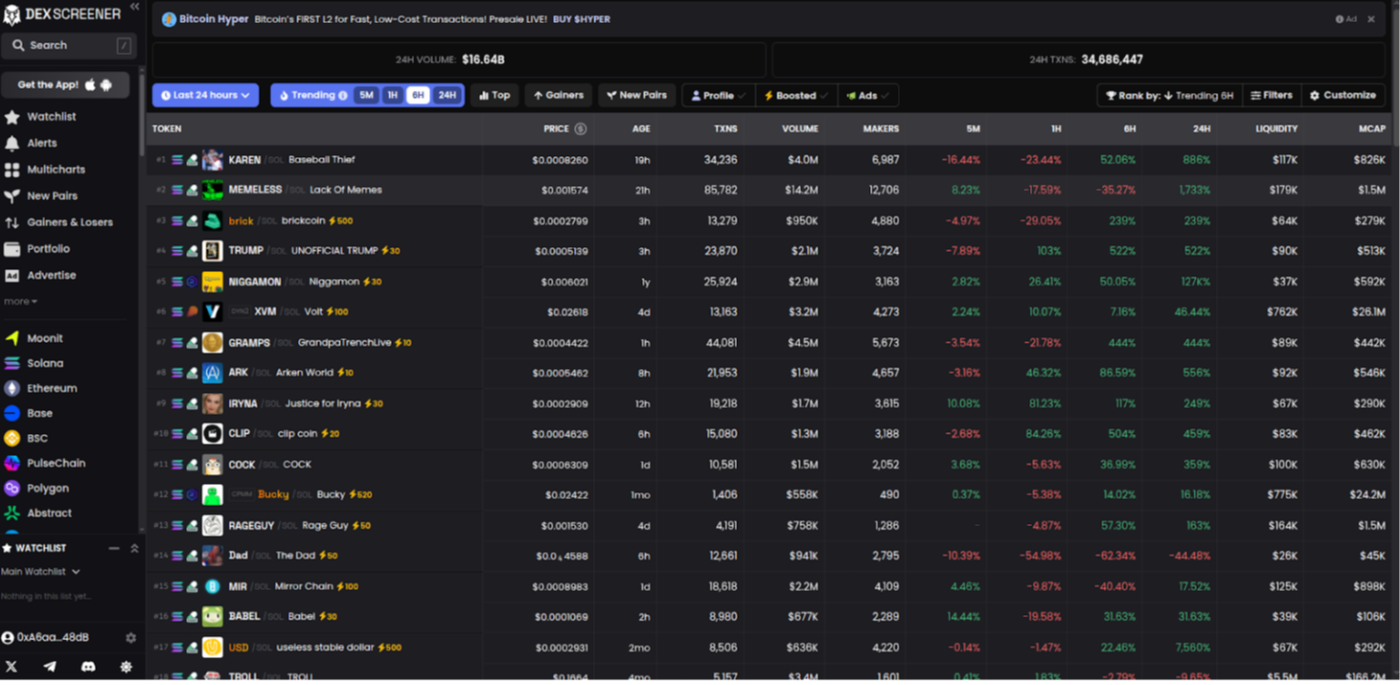
Building a DEXScreener Clone: A Step-by-Step Guide

China Blocks Nvidia’s RTX Pro 6000D as Local Chips Rise

BitGo wins BaFIN nod to offer regulated crypto trading in Europe
BitGo’s move creates further competition in a burgeoning European crypto market that is expected to generate $26 billion revenue this year, according to one estimate. BitGo, a digital asset infrastructure company with more than $100 billion in assets under custody, has received an extension of its license from Germany’s Federal Financial Supervisory Authority (BaFin), enabling it to offer crypto services to European investors. The company said its local subsidiary, BitGo Europe, can now provide custody, staking, transfer, and trading services. Institutional clients will also have access to an over-the-counter (OTC) trading desk and multiple liquidity venues.The extension builds on BitGo’s previous Markets-in-Crypto-Assets (MiCA) license, also issued by BaFIN, and adds trading to the existing custody, transfer and staking services. BitGo acquired its initial MiCA license in May 2025, which allowed it to offer certain services to traditional institutions and crypto native companies in the European Union.Read more