BitcoinWorld Tether’s Bold Move: Unveiling QVAC Health, Your Ultimate Privacy-Focused Health App In a surprising pivot from stablecoins, Tether has just launched QVAC Health, a groundbreaking privacy-focused health app that puts your personal data back in your hands. This move signals a major shift for the crypto giant, directly tackling one of the digital age’s biggest concerns: who owns and controls your sensitive health information. If you’re […] This post Tether’s Bold Move: Unveiling QVAC Health, Your Ultimate Privacy-Focused Health App first appeared on BitcoinWorld.BitcoinWorld Tether’s Bold Move: Unveiling QVAC Health, Your Ultimate Privacy-Focused Health App In a surprising pivot from stablecoins, Tether has just launched QVAC Health, a groundbreaking privacy-focused health app that puts your personal data back in your hands. This move signals a major shift for the crypto giant, directly tackling one of the digital age’s biggest concerns: who owns and controls your sensitive health information. If you’re […] This post Tether’s Bold Move: Unveiling QVAC Health, Your Ultimate Privacy-Focused Health App first appeared on BitcoinWorld.

Tether’s Bold Move: Unveiling QVAC Health, Your Ultimate Privacy-Focused Health App
2025/12/11 11:55
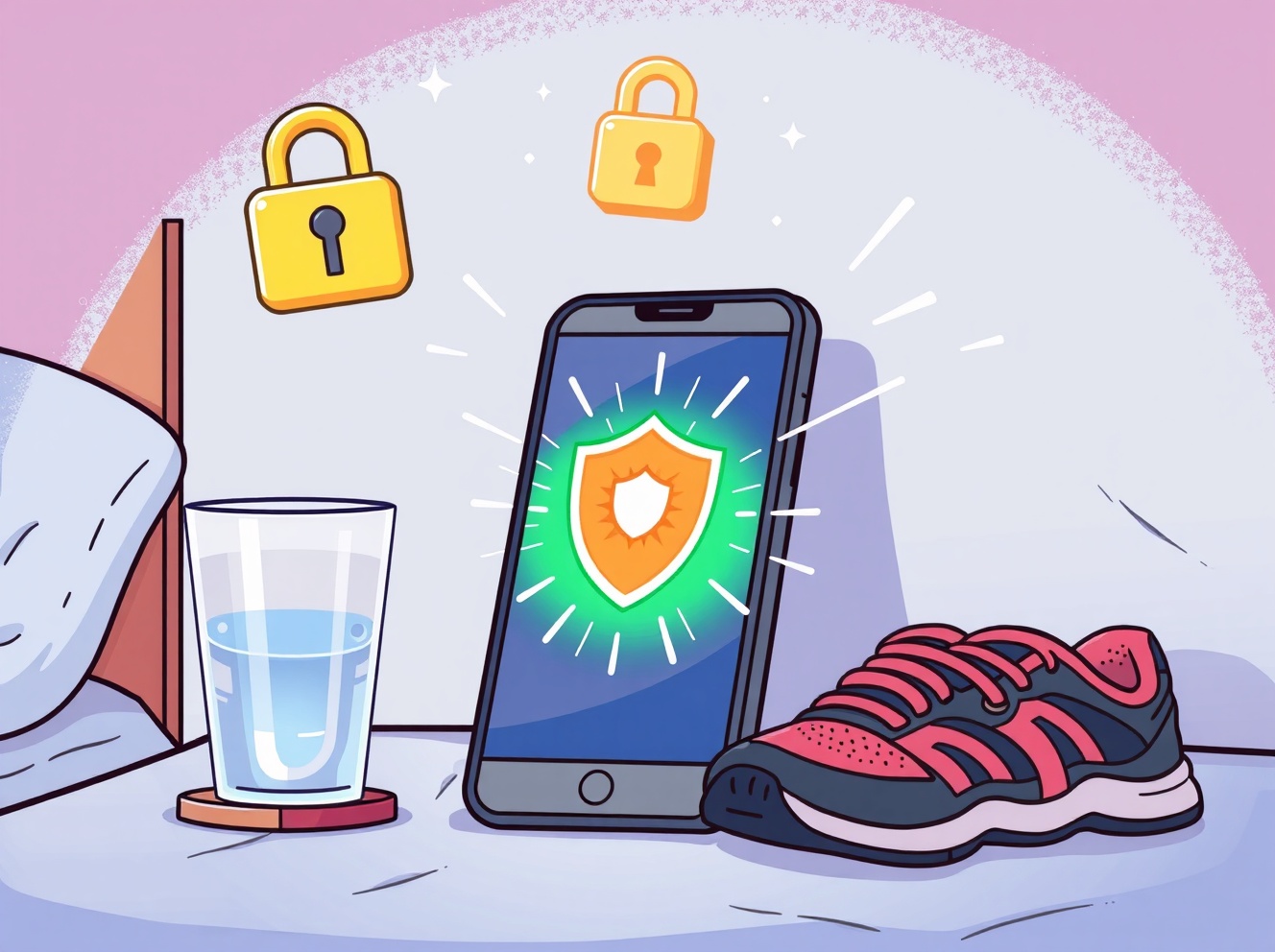
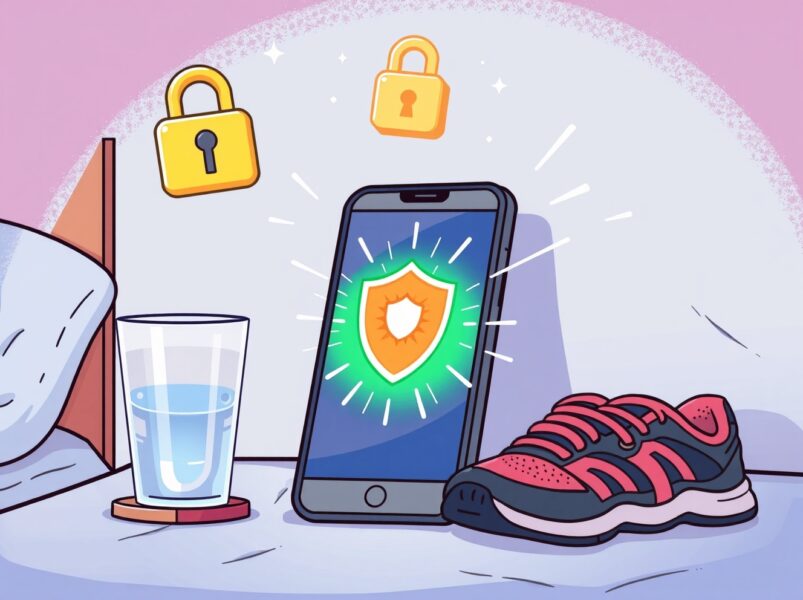
A smartphone displaying a secure, privacy-focused health app interface with a protective shield icon.

BitcoinWorld

Tether’s Bold Move: Unveiling QVAC Health, Your Ultimate Privacy-Focused Health App

In a surprising pivot from stablecoins, Tether has just launched QVAC Health, a groundbreaking privacy-focused health app that puts your personal data back in your hands. This move signals a major shift for the crypto giant, directly tackling one of the digital age’s biggest concerns: who owns and controls your sensitive health information. If you’re tired of apps that trade your step count for targeted ads, this development demands your attention.

What Exactly Is Tether’s QVAC Health App?

QVAC Health is not your average fitness tracker. Built on Tether’s own AI development platform, this application acts as a personal health hub. It integrates and tracks various metrics like your daily steps, sleep quality, and exercise routines. However, the revolutionary part lies in its architecture. Unlike most apps that upload your data to the cloud, QVAC Health processes and stores everything locally on your device. This means your most personal information never leaves your phone or tablet, offering a new standard for digital wellness.

Why Does a Privacy-Focused Health App Matter Now?

Data breaches and intrusive advertising have made users rightfully skeptical. Every time you sync a run to a server, you potentially expose patterns about your life, location, and habits. Tether’s solution with QVAC Health is to eliminate that risk entirely. The app uses strong encryption on the device itself. Therefore, your data is not collected, sold, or transmitted to external servers for advertising. This approach addresses a critical need for genuine data sovereignty in an increasingly connected world.

The core benefits of this privacy-focused health app are clear:

  • Local Data Storage: All health metrics are encrypted and saved directly on your smartphone.
  • Zero Cloud Transmission: Your sleep patterns and exercise records are not sent to remote servers.
  • No Advertiser Access: Tether states the data will not be used for any advertising purposes.
  • User Empowerment: You maintain complete control over your personal health information.

How Does QVAC Health Work and What Can You Track?

The app is designed to be a comprehensive dashboard for your well-being. By leveraging on-device AI, it can synthesize data from various sources you permit. Imagine having a secure journal that logs your cardio sessions, monitors your resting heart rate trends, and analyzes your sleep cycles—all without that data ever being exposed to the internet. This local processing model is the cornerstone of its promise as a truly privacy-focused health app.

What Are the Potential Challenges for Tether’s New Venture?

While the privacy model is compelling, Tether faces significant hurdles. Firstly, can a company famous for cryptocurrency earn immediate trust in the sensitive health tech sector? Secondly, the local-only storage model presents a usability challenge: if you lose your device, you lose your health history unless you manage backups yourself. Furthermore, the app’s success will depend on its ability to provide insights and value that rival established, cloud-based platforms which use aggregated data to improve features.

The Bigger Picture: What This Means for the Future

Tether’s launch of QVAC Health is more than a new product; it’s a statement. It highlights a growing market demand for applications that prioritize security by design. This move could pressure other tech giants to offer similar privacy-centric options. For users, it represents a powerful choice: you no longer have to sacrifice privacy for convenience. The era of the privacy-focused health app may have just officially begun, led by an unlikely pioneer from the crypto world.

In conclusion, Tether’s QVAC Health is a bold and intriguing entry into the personal wellness space. By championing a device-first, no-cloud model, it directly addresses modern privacy anxieties. While its long-term adoption and feature depth remain to be seen, it sets a new benchmark for how companies should handle sensitive user data. This app proves that with the right technology, you can indeed have powerful health insights without compromising your personal security.

Frequently Asked Questions (FAQs)

Q1: Is QVAC Health a cryptocurrency app?
A1: No, QVAC Health is not directly related to cryptocurrency. It is a health and wellness application built by Tether, a company best known for its USDT stablecoin. The app focuses on tracking health metrics with a strong emphasis on data privacy.

Q2: If my data is stored only on my device, what happens if I lose my phone?
A2: This is a key consideration. Since data is not synced to the cloud, losing your device could mean losing your health history. Users would likely need to proactively create encrypted backups of their device data to prevent total loss, a responsibility that shifts from the company to the user.

Q3: Will QVAC Health work with my Apple Watch or Fitbit?
A3> While the initial report does not specify compatibility details, for such an app to be useful, it would need to integrate with popular wearables and health platforms. Its ability to pull data from these devices while still keeping that data local will be a crucial technical feature to watch.

Q4: Is the QVAC Health app free to use?
A4: The current announcement from CoinDesk does not mention a pricing model. It could be offered as a free app, a paid app, or use a subscription model. The business model for a privacy-focused app that doesn’t monetize data is an important unanswered question.

Q5: How does this app’s privacy compare to Apple Health or Google Fit?
A5> Apple Health also emphasizes on-device processing and privacy, while Google Fit may use more cloud-based analytics. QVAC Health’s stated model of zero cloud transmission and no advertising data collection positions it as potentially more restrictive than some mainstream options, making its privacy claims very strong on paper.

Q6: Why is Tether, a crypto company, building a health app?
A6> This appears to be a strategic diversification for Tether, leveraging its expertise in secure digital systems and encryption. It demonstrates the company’s ambition to expand beyond finance into other technology sectors where data security is paramount.

Found this deep dive into Tether’s new privacy-focused health app enlightening? Share this article with your network on Twitter or LinkedIn to spark a conversation about the future of data privacy in health tech. Your friends in crypto and tech will thank you for the heads-up!

To learn more about the latest cryptocurrency trends, explore our article on key developments shaping the intersection of blockchain technology and mainstream consumer applications.

This post Tether’s Bold Move: Unveiling QVAC Health, Your Ultimate Privacy-Focused Health App first appeared on BitcoinWorld.

Disclaimer: The articles reposted on this site are sourced from public platforms and are provided for informational purposes only. They do not necessarily reflect the views of MEXC. All rights remain with the original authors. If you believe any content infringes on third-party rights, please contact service@support.mexc.com for removal. MEXC makes no guarantees regarding the accuracy, completeness, or timeliness of the content and is not responsible for any actions taken based on the information provided. The content does not constitute financial, legal, or other professional advice, nor should it be considered a recommendation or endorsement by MEXC.

You May Also Like

Why is Bitcoin (BTC) Trading Lower Today?
Why is Bitcoin (BTC) Trading Lower Today?

The post Why is Bitcoin (BTC) Trading Lower Today? appeared on BitcoinEthereumNews.com. Bitcoin BTC$90,457.05, the leading cryptocurrency by market value, is down following the overnight Fed rate cut. The reason likely lies in the Fed’s messaging, which has made traders less excited about future easing. The Fed on Wednesday cut the benchmark interest rate by 25 basis points to 3.25% as expected and announced it will begin purchasing short-term Treasury bills to manage liquidity in the banking system. Yet, BTC traded below $90,000 at press time, representing a 2.4% decline since early Asian trading hours, according to CoinDesk data. Ether was down 4% at $3,190, with the CoinDesk 20 Index down over 4%. The risk-off action is likely due to growing signs of internal Fed divisions on balancing inflation control against employment goals, coupled with signals of a more challenging path for future rate cuts. Two members voted for no change on Wednesday, but individual forecasts revealed that six FOMC members felt that a cut wasn’t “appropriate.” Besides, the central bank suggested just one more rate cut in 2026, disappointing expectations for two to three rate cuts. “The Fed is divided, and the market has no real insight into the future path of rates from now until May 2026, when Chairman Jerome Powell will be replaced. The replacement of Powell with a Trump loyalist (who will push to lower rates aggressively) is likely the most reliable signal for rates. Until then, however, there are still 6 months to go,” Greg Magadini, director of derivatives at Amberdata, told CoinDesk. He added that the most likely occurrence as of now is a needed “deleveraging” or down-market” to convince the Fed of lower rates decidedly. Shiliang Tang, managing partner of Monarq Asset Management, said BTC is following the stock market lower. “Crypto markets initially spiked on the news but have steadily moved lower since, in conjunction with…
Share
BitcoinEthereumNews2025/12/11 17:27
Two ‘589’ Tweets in 48 Hours: XRP Cryptic Bullish Number Regains Traction – What’s Happening?

Two ‘589’ Tweets in 48 Hours: XRP Cryptic Bullish Number Regains Traction – What’s Happening?

XRP 589 gains attention after recent tweets spark speculation. Apple Pay integration boosts XRP, 589 number signals bullish momentum. Cryptic 589 resurfaces in tweets, XRP community anticipates market shift. In the past 48 hours, the number ‘589’ has resurfaced in the XRP community, reigniting a wave of curiosity and speculation. The number, closely linked to XRP, has made its presence felt once again following two high-profile tweets—one from Solana and another from the cryptocurrency payment platform MoonPay—both of which have captured the attention of crypto traders and enthusiasts alike. The first tweet, coming from Solana, sparked immediate intrigue within the community. The tweet referenced the number ‘589,‘ which quickly became a topic of conversation across social media. While Solana’s tweet wasn’t directly tied to XRP, it played a key role in reintroducing the number, reminding many of its past associations with XRP. It also fueled a fresh wave of speculation about its potential significance in the crypto market. Building on this momentum, MoonPay followed up with its own tweet, showing a screenshot of a 589 XRP purchase through Apple Pay. This integration of Apple Pay with XRP purchases seemed to amplify the mystery surrounding the number, leading some to believe that it could symbolize an impending bullish move for XRP. The number’s return, especially in a payment context, added to its cryptic allure, leaving the community wondering whether it signaled something more substantial for XRP’s price action. pic.twitter.com/fnBlSvmGIL — MoonPay (@moonpay) December 10, 2025 Also Read: XRP Supply Shock: $1.3 Billion XRP Vanishes from Exchanges – What This Means for Price Why Is ‘589’ Resonating with XRP Investors? The reappearance of the number 589 has sparked discussions about its historical symbolism within the XRP community. Some investors are speculating that it is not a coincidence, but could indicate a potential bullish breakout for XRP. The recurrence of ‘589’ in two significant tweets has reignited interest and prompted renewed hope that it could represent a turning point for XRP’s price. Notably, MoonPay’s tweet, which combined the number with an announcement about the ease of purchasing 589 XRP using Apple Pay, further stoked these theories. The simplicity of buying XRP via a widely used payment service like Apple Pay has led many to believe that XRP could be on the verge of greater mainstream adoption, potentially signaling positive price movements in the future. Moreover, the connection between ‘589’ and the broader discussions surrounding XRP has not gone unnoticed by the community. Whether it’s a hidden message, a marketing strategy, or simply a coincidence, the number 589 has once again captured the attention of XRP investors. Its sudden resurgence in the public eye has led to a growing sense of anticipation, with many eagerly awaiting any further developments. Also Read: XRP May Surge 400% to $10 Within 2026: Analyst The post Two ‘589’ Tweets in 48 Hours: XRP Cryptic Bullish Number Regains Traction – What’s Happening? appeared first on 36Crypto.
Share
Coinstats2025/12/11 16:19