

What are some unique passive options?
What are some unique passive options? A practical, usable list
unique passive options can change how you think about side income: instead of copying crowded paths, you pick something that fits your time, money, and skills. This guide walks you through a dozen uncommon streams, explains startup needs and maintenance, and helps you compare tradeoffs so you can choose a first test that actually fits your life.
Passive income isn’t a single trophy – it’s a toolbox. Some entries are digital and scale quickly; others are physical and steady. Expect learning curves, occasional upkeep, and real risk. But the right unique passive options let you begin with small bets and expand once you find traction. Quick tip: a glance at the FinancePolice logo can be a small nudge to keep practical steps front of mind.
Below you’ll find clear steps, conservative cost estimates, and practical tips so you can test fast and fail small. For broader reading on passive streams, see Bankrate’s passive income ideas and Investopedia’s definition of passive income for helpful context.
How to use this guide
Read the quick list to spot ideas you like, then jump to the detailed section for cost, time, risks, and scaling suggestions. When you’re ready, try one small experiment (five digital listings, one vending placement, or a two-month micro-subscription) and track results. The article includes a short checklist at the end to help you launch. For practical ecommerce-focused ideas you can pair with these options, Shopify’s writeup on passive income ideas is a useful companion.
If you want a compact set of practical, free guides and calculators to compare ideas like these, check out FinancePolice’s passive income resources — a reader-friendly hub for next steps and worksheets that make small experiments easier.
Now let’s explore the best uncommon paths, one by one.

1. Digital licensing and micro-assets
Core idea: Create once, sell many times. Digital licensing covers stock photos, short video clips, icons, website templates, fonts, presentation decks, and even small code snippets. If you already make content or design, you can turn a handful of hours into recurring income.
Startup costs: often under $1,000 (or effectively zero if you already own the tools). Time to first sale: hours to weeks. Typical early monthly income: usually under $200 per small portfolio but can grow with scale and niche focus.
Why this works: marketplaces aggregate buyers so a discoverable asset sells repeatedly with no inventory. Risks: platform concentration, fee changes, and discoverability challenges.
Real steps to start:
- Pick a narrow niche (presentation templates for veterinary clinics, drone footage of local landmarks, or data‑visualization charts for business coaches).
- Make 10–20 assets and optimize titles, descriptions, and keywords.
- List on two or three marketplaces (microstock, design marketplaces, or code snippet stores).
- Collect basic analytics and reinvest earnings into the top performers.
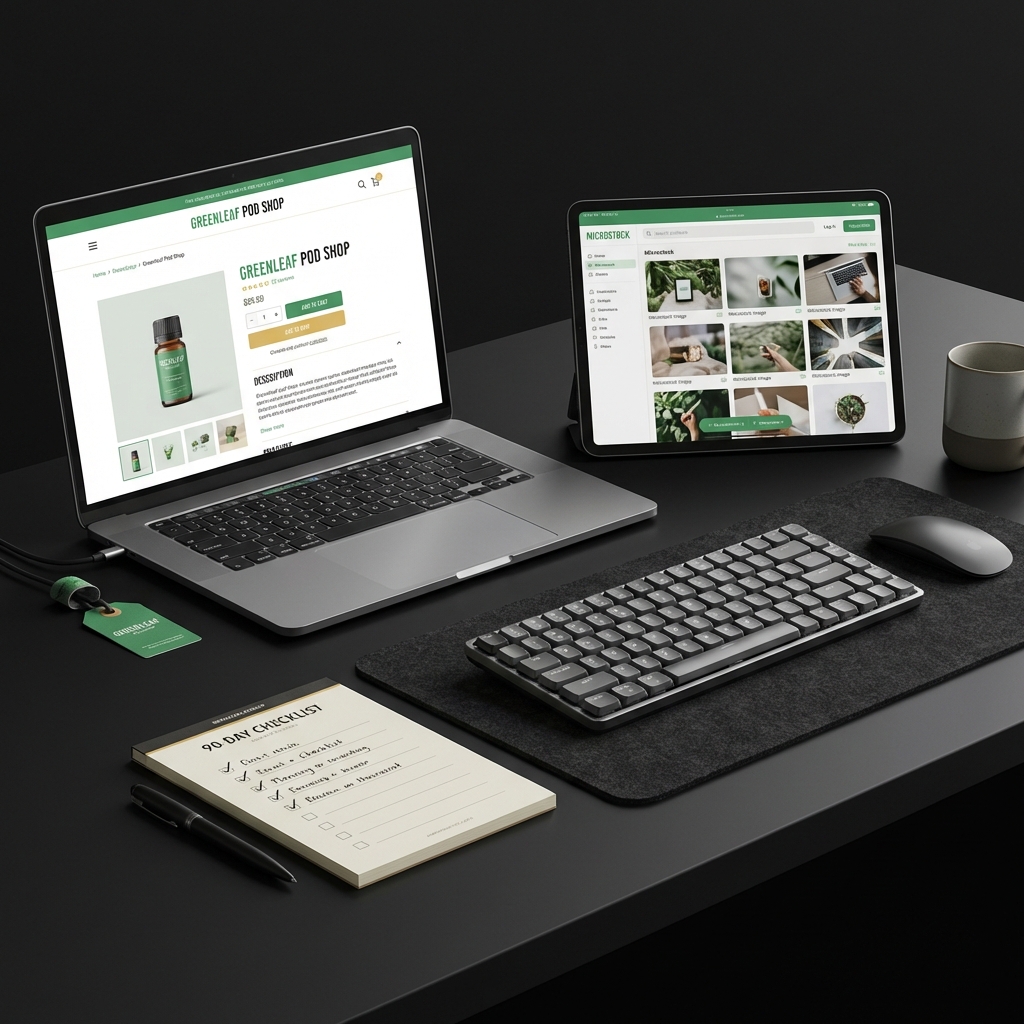
2. Print‑on‑demand (POD) with a tight niche
POD is not new, but the magic is in focus. Rather than a sprawling store, build a tiny shop that speaks to a micro‑community: a hobby, profession, or local culture. When people feel seen, they buy.
Startup costs: designs (DIY or $5–$100 per design from freelancers), accounts on POD platforms, modest ad budget. Time to first sale: days to weeks. Typical early monthly income: low hundreds if you target the right group and use community channels.
Scaling tip: prioritize organic channels — niche forums, local clubs, or influencers — over costly broad ads. Use limited runs and seasonal designs to keep momentum.
3. Niche subscription communities
Subscriptions win because people pay for ongoing value. Your work is curating, filtering, or packaging — not producing a stream of new things every day.
Example: a private circle for owners of a particular vintage camera brand. Members pay monthly for auction alerts, restoration tutorials, and a vetted parts list.
Startup costs: under $1,000 for a basic platform and initial content. Time to launch: weeks. Maintenance: light if you rely on evergreen resources plus occasional live events.
4. Fractional ownership of collectibles
Fractional platforms let small investors own a slice of a high‑value asset. It’s a way to chase appreciation without $100k+ checks.
Startup capital: often a few hundred to a few thousand dollars. Liquidity: limited. Regulation: evolving. Risk: thin secondaries and price swings.
Good use: diversify exposure to art, vintage watches, or rare trading‑card sets without large single purchases. Bad fit: if you need quick access to cash.
5. Vending machines, ATMs, and micro‑networks
Think small networks rather than big retail. One well‑placed vending machine or ATM is easier to manage than a full store yet can earn steady monthly cash with minimal overhead.
Startup costs: $1,000–$6,000 per unit depending on new vs. refurbished, plus initial stock and installation. Time to breakeven: months to a year depending on location.
Key success factor: location scouting. Visit sites at different times, talk to managers, and negotiate placement agreements before you buy anything.
6. Specialized peer‑to‑peer lending and equipment finance
Platforms now cover niche loans for small business equipment, medical devices, or short-term working capital. Returns can beat generic P2P consumer loans but require stronger underwriting awareness.
How to approach: start small, read underwriting criteria, and diversify across dozens of loans rather than a few large notes.
7. Storage‑unit arbitrage and self‑storage microplays
Self‑storage stays resilient. If you can secure a block of undervalued units, sublease them flexibly or manage them for other owners. This requires some hands‑on admin at first but can become semi‑passive with solid systems.
Risks: lease rules, local regulations, and tenant issues. Upside: steady recurring cashflow and demand through various economic cycles.
8. Creative royalties: books, music, and photos
Royalty income is classic passive: write a book or license photos, then earn for years. The main work is frontloaded; promotion matters early, then the long tail pays.
AI changes the landscape and can both disrupt and create new placement opportunities. Invest in quality and unique niches where competing content is thin.
9. Niche advertising inventory and micro‑publishers
Small, well‑targeted websites attract advertisers who want specific audiences. Instead of broad traffic, aim for a tight vertical with engaged readers. Advertisers will pay competitive CPMs for relevance.
Setup: build focused content, add 500–2,000 monthly active visitors, and approach advertisers or use private marketplaces. Monetization: sponsorships, affiliate deals, or direct ads. If you want to read more on small side-hustles and related ideas, see this FinancePolice guide to businesses you can start with $1,000.
10. Licensing local experiences and micro‑tours
Turn knowledge into income. Create short audio tours, downloadable guides, or micro‑workshops for a place or hobby you know well. This is a hybrid product — digital to deliver, local in value.
Startup costs: minimal if you already know the subject. Time to first sale: days to weeks. Keep listings on local marketplace platforms and tourist channels.
11. Small software-as-a-service (SaaS) tools for niches
Not every software idea needs to be a unicorn. A tiny B2B tool that automates one boring task for an industry can charge a modest monthly fee and require little support if well designed.
How to begin: build a minimal version, onboard a handful of paying users, and automate billing and support with simple docs and a community forum. For idea pairing and related side-hustles by profession, check the FinancePolice side-hustles hub.
12. Automated flipping: domain names, usernames, and digital assets
Buy underpriced domains or creative usernames with clear demand and resell them on secondary markets. This is speculative but can be low-cost and largely hands-off if you buy intelligently and list widely.
How these unique passive options compare
When choosing between these unique passive options, evaluate four factors: startup cash, time to first income, maintenance time, and liquidity. Below is a simple framework to compare choices.
Quick comparison framework
Low cash, fast launch, low maintenance: Digital licensing, POD, short ebooks, small SaaS MVPs.
Medium cash, moderate maintenance: Vending machines, small subscription communities, specialty P2P lending.
Higher cash, lower liquidity: Fractional collectibles, storage arbitrage, ATM networks.
Pick one from the left column to learn quick feedback loops; then add a medium or higher cash option once you have systems for tracking, reinvesting, and delegating. For related passive ideas and apps you can test quickly, see FinancePolice’s passive income roundup.
Pick a niche you already know, create three small digital products (a simple template, one POD design, and a short listing of one set of photos or icons), and list them across two marketplaces; set a 90‑day tracking sheet and spend one hour per day promoting in relevant groups — this gives you rapid feedback without significant cash outlay.
Below is a practical example to illustrate mixing ideas: imagine you have $1,500 and ten hours per week. You could spend $300 on five polished niche designs for POD, $200 on small stock photography gear or editing tools, and $1,000 on a refurbished vending machine deposit and placement fees. In the first three months you test POD and stock assets online while you secure a reliable vending location. When POD and photos begin clearing $100–$200 combined per month, reinvest 50% into ads or more designs. Use vending profits to cover refill costs and slowly pay down the initial $1,000. This mix creates a digital fast-feedback loop and a physical foundation that grows over months.
Practical startup checklist
1) Inventory: list your skills, time, and cash.
2) Pick two small experiments: one digital, one physical (if you have capital).
3) Set a 90‑day testing window with specific metrics (sales, conversion rates, unit economics).
4) Track everything: time spent, fees paid, taxes, and net revenue.
5) Reinvest small wins and document repeatable steps for scaling.
Detailed launch plan: a 90‑day sprint
Week 1–2: research and list assets. For digital, create five items and pick two marketplaces. For POD, design three prints and set up your shop.
Week 3–6: launch and promote lightly. Post in niche forums, test $5–$50 ads, and collect feedback. For physical placements, secure agreements and pilot one location.
Week 7–12: optimize top performers, drop or tweak the losers, and formalize systems: automated payouts, a bank account, and a simple spreadsheet for tracking.
Taxes, legal, and real‑world rules
Tax rules differ widely. In many countries, platform payouts are reportable income. Royalties and rental income may be taxed differently than employment income. If you’re operating physical units or subleasing storage, local permits and lease clauses matter.
Practical steps:
- Open a separate bank account for passive projects to simplify bookkeeping.
- Track deductible expenses: equipment, fees, platform commissions, and travel time tied to management.
- Consult a local tax professional before scaling commitments that require larger capital.
Risk checklist
Common risks across most unique passive options include:
- Platform or marketplace fee changes
- Regulatory shifts (fractional ownership, P2P lending)
- Location risk (vending, ATMs, storage)
- Illiquidity for collectibles and fractional shares
- AI and content changes that affect creative royalties
Scaling and automation tips
Focus on systems that let you scale without linear effort:
- Automate payouts and invoicing.
- Use simple SOPs for refilling physical units or responding to customer questions.
- Outsource repetitive tasks once gross income covers outsourcing costs.
- Batch content production for digital assets to reduce context switching.
Short case studies and realistic numbers
Case 1 — A small POD micro‑store: Ten niche designs, minimal ads, community posting. Months 1–3: near zero. Months 4–8: $150–$400 per month. Break‑even on initial $300–$600 investment often occurs in 6–9 months.
Case 2 — Three vending machines: Refurbished machines at a university and two co‑working buildings. Startup ~ $9,000 including deposits and installation. Net profit after refills and maintenance: $300–$800 per month combined after ramping up. Time on upkeep: a few hours a week or a local contractor for $100–$200 monthly.
Case 3 — Image licensing: Portfolio of 200 images across microstock platforms generating $100–$300 per month after a year. Initial time: months of shooting and keywording. Upside grows with niche specialization and quantity.
Beginner path versus advanced strategies
Beginners: start digital with pod or image licensing. These let you iterate fast, keep costs small, and learn platform dynamics.
Advanced: once you understand listings, marketing, and basic accounting, move into physical micro‑networks or fractional assets where due diligence, contracts, and trust matter more.
Common mistakes and how to avoid them
1) Treating passive as “set and forget” – schedule weekly or monthly checkups.
2) Putting all eggs on one platform – diversify where possible.
3) Ignoring small fees – they compound. Build conservative projections with a 20–40% fees buffer.
Next steps and launch checklist (final)
Choose one digital and one physical experiment. Set a 90‑day goal. Track time and revenue. Reinvest small wins. If a path fails, document what you learned and switch fast.
Good passive income does not mean no work – it means smart initial work, disciplined tracking, and patient compounding.
Turn small experiments into steady income with targeted reach
Ready to turn a small idea into steady income? Explore how FinancePolice can help you advertise or promote your passive project and reach the right audience. Learn more and start a low-cost experiment today: Advertise with FinancePolice.
Start Advertising
That completes the practical tour. Below are FAQs, quick resources, and a friendly checklist you can copy to start testing within days.
Digital licensing (stock photos, templates, small code modules) and print‑on‑demand are usually the fastest to launch. They often require only a few hours to design assets and a few days to list them on marketplaces, so you can get measurable results within weeks.
You can start some unique passive options for under $1,000. Digital projects such as POD, image licensing, small ebooks, or micro‑SaaS MVPs often need minimal cash—mostly time. Physical options like vending machines, ATMs, or storage arbitrage typically require multiple thousands, though refurbished units and clever placements can lower entry costs.
It varies. Digital assets and royalties become more passive after the initial creation and promotion. Physical assets such as vending machines or storage units need periodic maintenance or oversight. Fractional assets and P2P lending require monitoring for regulatory changes and market liquidity. In all cases, initial work and occasional checkups are required to keep revenue steady.
References
- https://www.bankrate.com/investing/passive-income-ideas/
- https://www.investopedia.com/terms/p/passiveincome.asp
- https://www.shopify.com/blog/passive-income-ideas
- https://financepolice.com/
- https://financepolice.com/businesses-you-can-start-with-1000/
- https://financepolice.com/category/side-hustles/
- https://financepolice.com/passive-income-7-proven-ways-to-make-your-money-work-for-you/
- https://financepolice.com/advertise/
{“@context”:”https://schema.org”,”@type”:”FAQPage”,”mainEntity”:[{“@type”:”Question”,”name”:”What’s the single easiest experiment I can run this weekend to test a passive income idea?”,”acceptedAnswer”:{“@type”:”Answer”,”text”:”Pick a niche you already know, create three small digital products (a simple template, one POD design, and a short listing of one set of photos or icons), and list them across two marketplaces; set a 90‑day tracking sheet and spend one hour per day promoting in relevant groups — this gives you rapid feedback without significant cash outlay.”}},{“@type”:”Question”,”name”:”What is the fastest unique passive option to launch?”,”acceptedAnswer”:{“@type”:”Answer”,”text”:”Digital licensing (stock photos, templates, small code modules) and print‑on‑demand are usually the fastest to launch. They often require only a few hours to design assets and a few days to list them on marketplaces, so you can get measurable results within weeks.”}},{“@type”:”Question”,”name”:”How much money do I need to start with these options?”,”acceptedAnswer”:{“@type”:”Answer”,”text”:”You can start some unique passive options for under $1,000. Digital projects such as POD, image licensing, small ebooks, or micro‑SaaS MVPs often need minimal cash—mostly time. Physical options like vending machines, ATMs, or storage arbitrage typically require multiple thousands, though refurbished units and clever placements can lower entry costs.”}},{“@type”:”Question”,”name”:”Are these options truly passive or will they need hands‑on work?”,”acceptedAnswer”:{“@type”:”Answer”,”text”:”It varies. Digital assets and royalties become more passive after the initial creation and promotion. Physical assets such as vending machines or storage units need periodic maintenance or oversight. Fractional assets and P2P lending require monitoring for regulatory changes and market liquidity. In all cases, initial work and occasional checkups are required to keep revenue steady.”}}]}
You May Also Like

US Congress Proposes AI Export Oversight Bill

Ubisoft (UBI) Stock: Restructuring Efforts and Game Cancellations Prompt 33% Dip
