

- Vitalik Buterin emphasizes decentralized social media by 2026.
- New leadership for Lens and Farcaster platforms.
- Criticism of centralized social media practices.
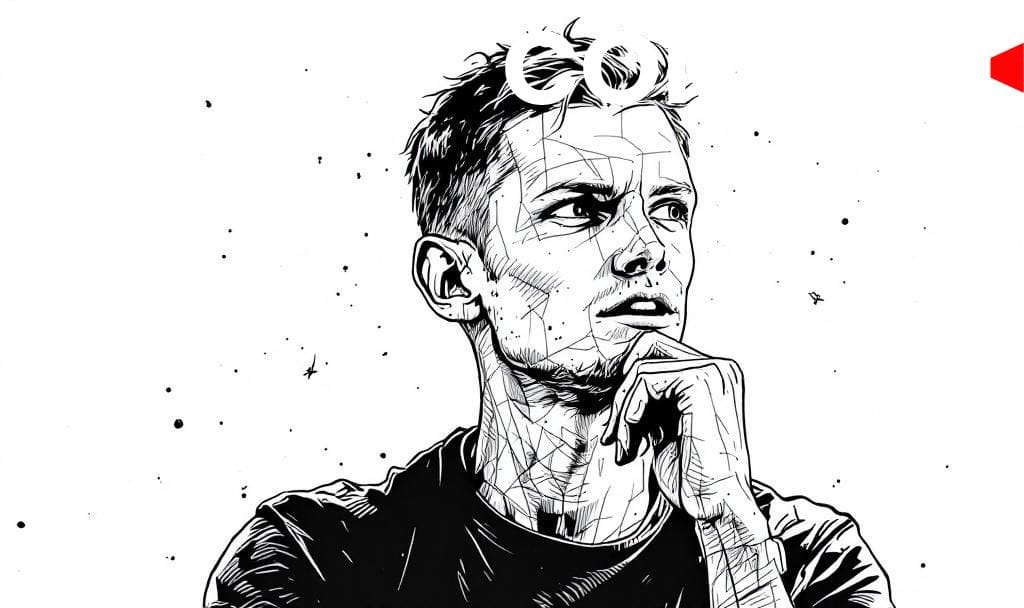 Vitalik Buterin Champions Decentralized Social Media for 2026
Vitalik Buterin announced a full shift to decentralized social media by 2026, utilizing platforms like Lens and Farcaster to counter centralized models.
Buterin’s move highlights the ongoing debate on centralization versus decentralization, influencing both social media landscapes and blockchain innovation.
Vitalik Buterin, Ethereum co-founder, advocates for a return to decentralized social media by 2026. He critiques major platforms, labeling them as “corposlop,” and stresses the need for user-sovereign tools to foster better societal communication. “If we want a better society, we need better mass communication tools,” emphasized Buterin in support of decentralized networks (source).
Buterin’s plan involves actively engaging with decentralized networks like Lens, Farcaster, and Bluesky. He plans to increase his presence on Lens and praises the expertise behind recent leadership changes at these platforms.
These changes are reshaping the decentralized social media landscape. With Neynar acquiring Farcaster and Mask Network taking over Lens, these platforms aim to expand under new strategic directions. This move is seen as essential for their growth and innovation. Dan Romero, Co-founder of Farcaster, stated, “After five years, it’s clear Farcaster needs a new approach and leadership to reach its full potential.”
The financial implications remain minimal, with no immediate shifts in funding or liquidity reported. However, Buterin’s initiative could potentially influence long-term trends in crypto-based social platforms.
Buterin critiques past SocialFi models that prioritized tokens over quality discourse. His call for better tools aligns with trends favoring content-driven platforms over speculative models, signaling possible paradigm shifts in community engagement.
Future prospects hinge on technological advancements and regulatory environments. Platforms like Lens and Farcaster may set precedents if they balance decentralization with sustainable business models, potentially transforming how users interact globally.


