This article was first published on The Bit Journal. Crypto prices today ticked higher on Feb. 3, 2026, after a weekend slide that looked like a leverage accidentThis article was first published on The Bit Journal. Crypto prices today ticked higher on Feb. 3, 2026, after a weekend slide that looked like a leverage accident

Crypto Prices Today Rise With BTC, BNB, ADA, and AVAX Bouncing Together

4 min read

This article was first published on The Bit Journal.

Crypto prices today ticked higher on Feb. 3, 2026, after a weekend slide that looked like a leverage accident more than a routine dip. The rebound did not erase fear, but it did suggest that forced selling was easing, giving spot buyers room to operate. Total crypto market capitalization was reported near $2.7 trillion, up about 2.8% on the day.
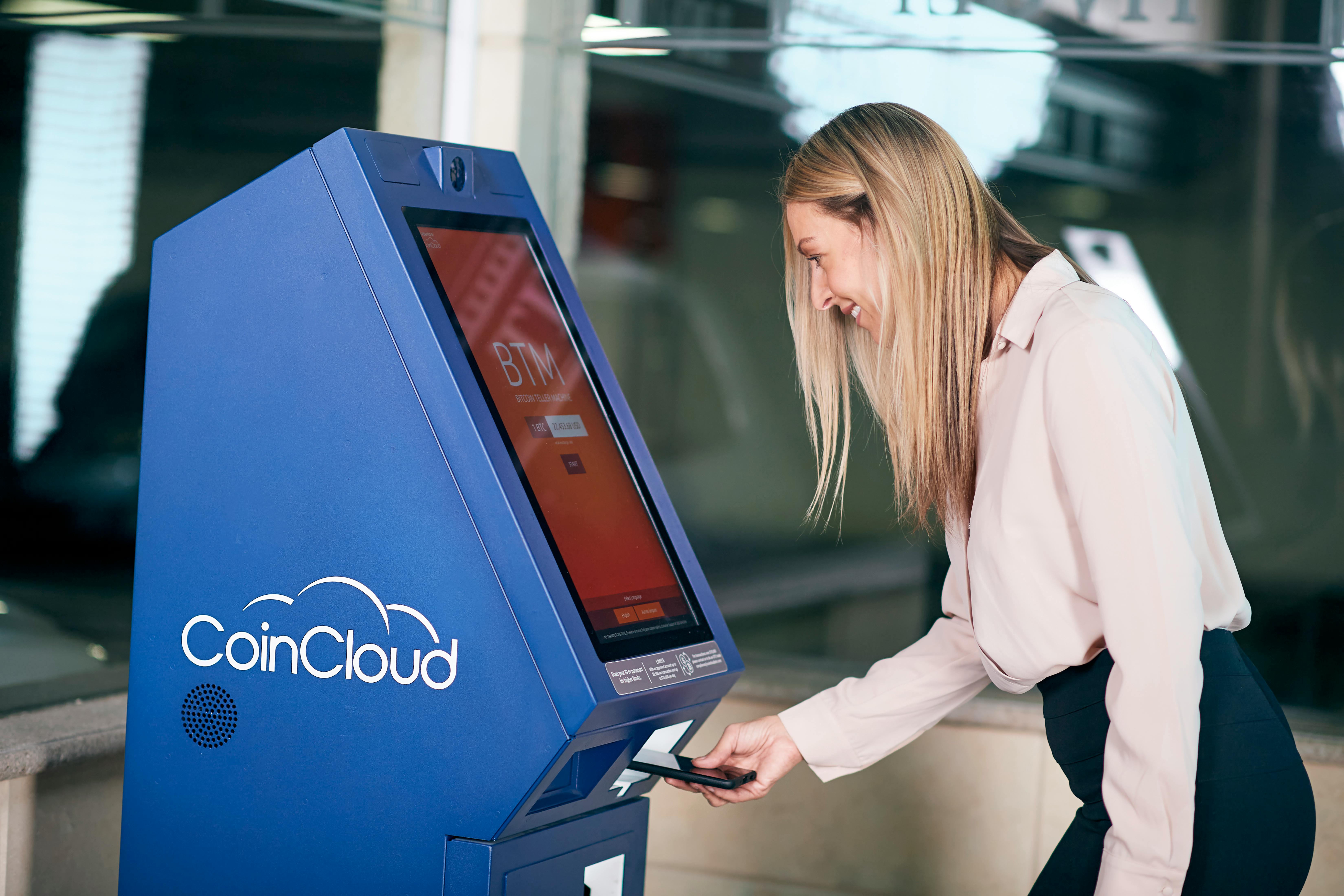
Crypto Prices Today Rise With BTC, BNB, ADA, and AVAX Bouncing Together

Crypto prices today reflect a market stabilizing after capitulation

The shift showed up first in derivatives as between Jan. 31 and Feb. 2, liquidations repeatedly topped $2 billion in a session, with one spike near $2.5 billion on Feb. 1, and long positions took most losses.  By Feb. 3, 24-hour liquidations were down 44% to about $401 million. Total crypto open interest was reported up about 4% to $110 billion, which hinted that traders were cautiously returning.

Bitcoin (BTC)

Bitcoin (BTC) set the pace, and crypto prices today showed the market still treating BTC as the primary risk gauge. Bitcoin was reported near $78,465, up 5.2% in 24 hours. The key indicators were support and follow-through. Bitcoin was described as down about 12% on the week and roughly 40% from an October peak near $126,000, so one green day did not change the trend. Commentary also flagged $73,000 as an important support zone.

BNB

BNB (BNB) rebounded with majors, with crypto prices today putting it around $769, up about 5.3%. For BNB, traders watch whether gains survive pullbacks without sudden wicks. If price holds while spot volume stays steady, the bounce looks more like accumulation than a short squeeze.

Cardano (ADA)

Cardano (ADA) led this group by percentage, and crypto prices today had ADA near $0.2975, up about 7.2%. In corrective markets, oversold coins can spring quickly once Bitcoin stabilizes, but durability depends on liquidity and consistent buying. A healthier ADA recovery tends to show tighter intraday ranges and fewer whipsaws.

Avalanche (AVAX)

Avalanche (AVAX) also climbed, with crypto prices today showing AVAX around $10.09, up about 5.3%. AVAX often reacts sharply when leverage clears because liquidity can thin out during stress. The clean read is whether AVAX can print higher lows as volume normalizes.

Key indicators traders are watching next

After a liquidation flush, recoveries slow as traders watch for spot volume rising without funding costs heating up, participation broadening beyond one coin, and higher lows that survive U.S. and Asia sessions. If volatility returns in liquidity gaps, rallies unwind fast.

Even after the rebound, crypto prices today carried a warning label. The Crypto Fear and Greed Index was reported at 17, still in extreme fear. The next sessions matter less for excitement and more for structure: liquidations staying muted, open interest rising gradually instead of spiking, and spot demand absorbing supply without heavy leverage.

Conclusion

Crypto prices today delivered breathing room after an ugly deleveraging stretch, but the rally still read like relief, not resolution. A durable turn will require disciplined derivatives positioning, steady spot buying, and buyers defending key support during the next volatility wave.

Frequently Asked Questions (FAQs)

What pushed crypto prices today higher on Feb. 3, 2026?
It followed a reduction in liquidation pressure and a rise in open interest, which reduced forced selling and let buyers step in.

Does the rebound confirm a market bottom?
No. Sentiment remained in extreme fear and Bitcoin was still far below its October peak, so downside risk can return if leverage rebuilds or macro stress returns.

Which indicators matter most after this bounce?
Liquidations, open interest, spot volume, and major support zones matter most, because they show whether demand is real or leverage is rebuilding.

Glossary of key terms

Liquidations are forced closures of leveraged positions when margin requirements are not met.

Open interest is the total value of outstanding derivatives positions.

Support is a price area where buying has historically absorbed selling.

Fear and Greed Index is a sentiment gauge that estimates whether investors are fearful or complacent.

Reference

crypto/news

Read More: Crypto Prices Today Rise With BTC, BNB, ADA, and AVAX Bouncing Together">Crypto Prices Today Rise With BTC, BNB, ADA, and AVAX Bouncing Together

Disclaimer: The articles reposted on this site are sourced from public platforms and are provided for informational purposes only. They do not necessarily reflect the views of MEXC. All rights remain with the original authors. If you believe any content infringes on third-party rights, please contact service@support.mexc.com for removal. MEXC makes no guarantees regarding the accuracy, completeness, or timeliness of the content and is not responsible for any actions taken based on the information provided. The content does not constitute financial, legal, or other professional advice, nor should it be considered a recommendation or endorsement by MEXC.

You May Also Like

Victra Named 2025 Recipient of Verizon’s Best Build Compliance Award
Victra Named 2025 Recipient of Verizon’s Best Build Compliance Award

Verizon Recognizes Victra for Industry-Leading Excellence in Store Design and Brand Compliance. RALEIGH, N.C., Feb. 3, 2026 /PRNewswire/ — Verizon has named Victra
Share
AI Journal2026/02/03 20:49
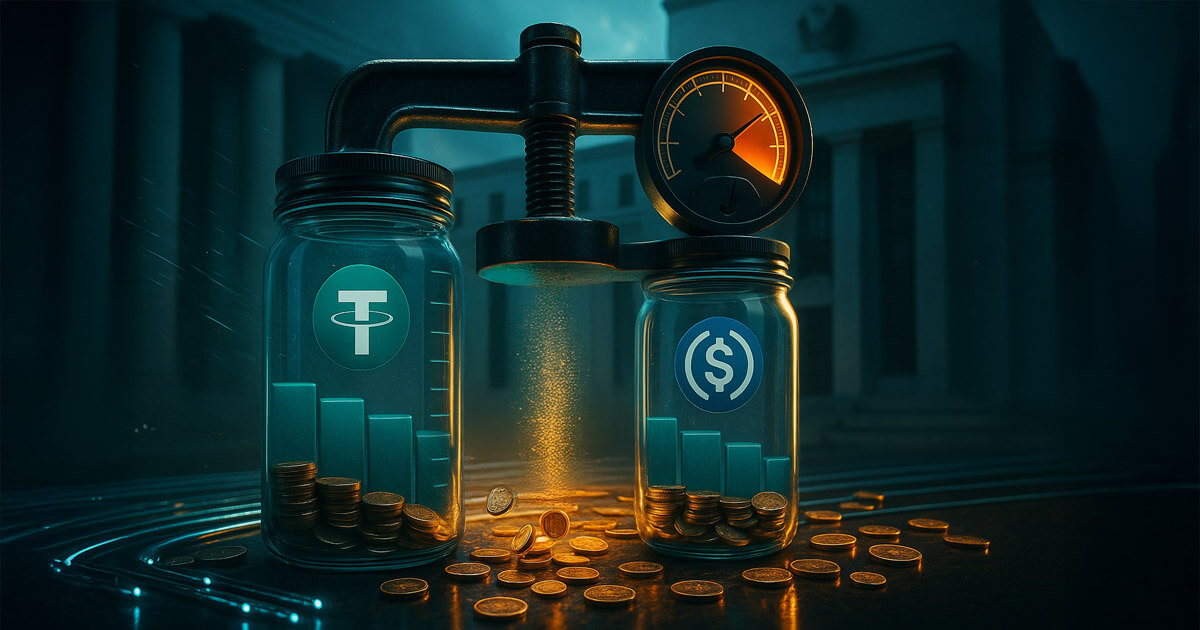
Stablecoins could face yield compression after Fed’s rate cut

Stablecoins could face yield compression after Fed’s rate cut

The post Stablecoins could face yield compression after Fed’s rate cut appeared on BitcoinEthereumNews.com. The Federal Reserve reduced its policy rate by 25 basis points to 4.00%–4.25%, the first rate cut this year. The move, framed as a response to weakening labor data, signals the start of a cautious easing cycle. Projections show two more cuts possible before year-end, with further reductions likely in 2026. Inflation remains above target, but Chairman Jerome Powell emphasized risk management over immediate price control, prioritizing stability in employment conditions. Stablecoins will be quickly affected by this. Issuers like Tether and Circle have generated large profits by holding reserves in short-term Treasuries during the high-rate environment of the past two years. That income stream now begins to erode. DeFi protocols that offered tokenized Treasury exposure face the same squeeze, with returns set to fall further if the Fed continues cutting into next year. A multi-cut easing cycle could substantially reduce stablecoin profitability, forcing issuers and protocols to adapt. The decline in dollar yields also alters the balance between holding stablecoins passively and seeking higher returns in risk assets. Bitcoin benefits most from this reallocation. As nominal rates move lower and inflation remains sticky, real yields decline, making non-yielding assets more attractive. The weaker dollar and improving risk appetite amplify the effect, positioning Bitcoin as a relative winner of the Fed’s shift. The September cut is modest, but it could bring significant changes to the crypto market. Stablecoin models built on Treasury income face structural headwinds after the rate cut, while Bitcoin and other high-beta assets stand to gain from falling real yields and increased liquidity. The Fed has opened an easing cycle, and crypto’s internal capital flows will move with it. The post Stablecoins could face yield compression after Fed’s rate cut appeared first on CryptoSlate. Source: https://cryptoslate.com/insights/stablecoins-could-face-yield-compression-after-feds-rate-cut/
Share
BitcoinEthereumNews2025/09/18 19:31
Wormhole Jumps 11% on Revised Tokenomics and Reserve Initiative

Wormhole Jumps 11% on Revised Tokenomics and Reserve Initiative

The post Wormhole Jumps 11% on Revised Tokenomics and Reserve Initiative appeared on BitcoinEthereumNews.com. Cross-chain bridge Wormhole plans to launch a reserve funded by both on-chain and off-chain revenues. Wormhole, a cross-chain bridge connecting over 40 blockchain networks, unveiled a tokenomics overhaul on Wednesday, hinting at updated staking incentives, a strategic reserve for the W token, and a smoother unlock schedule. The price of W jumped 11% on the news to $0.096, though the token is still down 92% since its debut in April 2024. W Chart In a blog post, Wormhole said it’s planning to set up a “Wormhole Reserve” that will accumulate on-chain and off-chain revenues “to support the growth of the Wormhole ecosystem.” The protocol also said it plans to target a 4% base yield for governance stakers, replacing the current variable APY system, noting that “yield will come from a combination of the existing token supply and protocol revenues.” It’s unclear whether Wormhole will draw from the reserve to fund this target. Wormhole did not immediately respond to The Defiant’s request for comment. Wormhole emphasized that the maximum supply of 10 billion W tokens will remain the same, while large annual token unlocks will be replaced by a bi-weekly distribution beginning Oct. 3 to eliminate “moments of concentrated market pressure.” Data from CoinGecko shows there are over 4.7 billion W tokens in circulation, meaning that more than half the supply is yet to be unlocked, with portions of that supply to be released over the next 4.5 years. Source: https://thedefiant.io/news/defi/wormhole-jumps-11-on-revised-tokenomics-and-reserve-initiative
Share
BitcoinEthereumNews2025/09/18 01:31