Bitcoin’s Transaction Fees Collapse Bitcoin’s daily transaction fees have fallen by more than 80% since April 2024, according to Galaxy Digital. As of August 2025, nearly 15% of blocks are being mined with minimal or no fees, sometimes just one satoshi per virtual byte. While this benefits users with cheaper transactions, it reduces miners’ earnings. After April’s halving cut rewards to 3.125 BTC per block, miners are increasingly dependent on fees. With fees drying up, concerns are growing over Bitcoin’s long-term security. Pierre Samaties, chief business officer at the Dfinity Foundation,that “sustained throughput is essential for the system to defend itself.” Onchain Activity Slows The decline of trends like Ordinals and Runes has left Bitcoin’s onchain activity sluggish. OP_RETURN transactions, which once drove 60% of daily activity, now account for just 20%. Meanwhile, alternative blockchains such as Solana are attracting memecoins and NFT projects. Spot Bitcoin ETFs, now holding over 1.3 million BTC, also divert trading volume offchain, further cutting fee-generating activity. Galaxy Digital’s report found nearly 50% of recent Bitcoin blocks have been underfilled, with mempool demand at low levels. BTCfi as a Potential Lifeline Against this backdrop, BTCfi — Bitcoin-native decentralized finance — is emerging as a possible solution. Unlike Ethereum or Solana DeFi, BTCfi uses Bitcoin as its base asset while enabling lending, trading, and yield strategies on layers or protocols tied to Bitcoin itself. “Every BTCfi action requires moving Bitcoin,” Samaties explained. “Movement drives computation, computation consumes block space, and space carries cost.” This dynamic could restore fee demand and strengthen miner incentives. From Digital Gold to Financial Primitive Bitcoin has long been viewed as digital gold, valued more for holding than for use. But Samaties sees it evolving into a financial primitive, a building block for broader financial systems. Julian Mezger, CMO of Liquidium, agrees. “The last five years have transformed Bitcoin’s infrastructure from a simple settlement layer into a multi-layered ecosystem,” he said. “We’re now seeing the foundations for true Bitcoin-native DeFi being laid.” If BTCfi continues to develop, Bitcoin could transition from passive store of value to active financial backbone — and in the process, solve its looming fee crisis. Illustration of Bitcoin fee decline and BTCfi growth potential Bitcoin’s Transaction Fees Collapse Bitcoin’s daily transaction fees have fallen by more than 80% since April 2024, according to Galaxy Digital. As of August 2025, nearly 15% of blocks are being mined with minimal or no fees, sometimes just one satoshi per virtual byte. While this benefits users with cheaper transactions, it reduces miners’ earnings. After April’s halving cut rewards to 3.125 BTC per block, miners are increasingly dependent on fees. With fees drying up, concerns are growing over Bitcoin’s long-term security. Pierre Samaties, chief business officer at the Dfinity Foundation,that “sustained throughput is essential for the system to defend itself.” Onchain Activity Slows The decline of trends like Ordinals and Runes has left Bitcoin’s onchain activity sluggish. OP_RETURN transactions, which once drove 60% of daily activity, now account for just 20%. Meanwhile, alternative blockchains such as Solana are attracting memecoins and NFT projects. Spot Bitcoin ETFs, now holding over 1.3 million BTC, also divert trading volume offchain, further cutting fee-generating activity. Galaxy Digital’s report found nearly 50% of recent Bitcoin blocks have been underfilled, with mempool demand at low levels. BTCfi as a Potential Lifeline Against this backdrop, BTCfi — Bitcoin-native decentralized finance — is emerging as a possible solution. Unlike Ethereum or Solana DeFi, BTCfi uses Bitcoin as its base asset while enabling lending, trading, and yield strategies on layers or protocols tied to Bitcoin itself. “Every BTCfi action requires moving Bitcoin,” Samaties explained. “Movement drives computation, computation consumes block space, and space carries cost.” This dynamic could restore fee demand and strengthen miner incentives. From Digital Gold to Financial Primitive Bitcoin has long been viewed as digital gold, valued more for holding than for use. But Samaties sees it evolving into a financial primitive, a building block for broader financial systems. Julian Mezger, CMO of Liquidium, agrees. “The last five years have transformed Bitcoin’s infrastructure from a simple settlement layer into a multi-layered ecosystem,” he said. “We’re now seeing the foundations for true Bitcoin-native DeFi being laid.” If BTCfi continues to develop, Bitcoin could transition from passive store of value to active financial backbone — and in the process, solve its looming fee crisis. Illustration of Bitcoin fee decline and BTCfi growth potential

Bitcoin Faces Fee Crisis That Threatens Network Security: Can BTCfi Help?

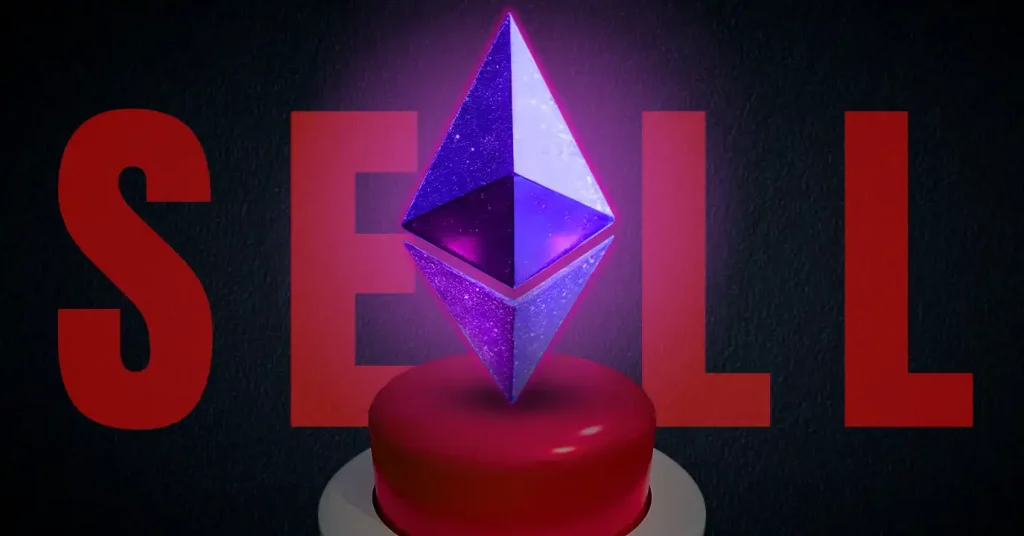
Illustration of Bitcoin fee decline and BTCfi growth potential

Bitcoin’s Transaction Fees Collapse

Bitcoin’s daily transaction fees have fallen by more than 80% since April 2024, according to Galaxy Digital. As of August 2025, nearly 15% of blocks are being mined with minimal or no fees, sometimes just one satoshi per virtual byte.

While this benefits users with cheaper transactions, it reduces miners’ earnings. After April’s halving cut rewards to 3.125 BTC per block, miners are increasingly dependent on fees. With fees drying up, concerns are growing over Bitcoin’s long-term security.

Pierre Samaties, chief business officer at the Dfinity Foundation,that “sustained throughput is essential for the system to defend itself.”

Onchain Activity Slows

The decline of trends like Ordinals and Runes has left Bitcoin’s onchain activity sluggish. OP_RETURN transactions, which once drove 60% of daily activity, now account for just 20%.

Meanwhile, alternative blockchains such as Solana are attracting memecoins and NFT projects. Spot Bitcoin ETFs, now holding over 1.3 million BTC, also divert trading volume offchain, further cutting fee-generating activity.

Galaxy Digital’s report found nearly 50% of recent Bitcoin blocks have been underfilled, with mempool demand at low levels.

BTCfi as a Potential Lifeline

Against this backdrop, BTCfi — Bitcoin-native decentralized finance — is emerging as a possible solution. Unlike Ethereum or Solana DeFi, BTCfi uses Bitcoin as its base asset while enabling lending, trading, and yield strategies on layers or protocols tied to Bitcoin itself.

“Every BTCfi action requires moving Bitcoin,” Samaties explained. “Movement drives computation, computation consumes block space, and space carries cost.” This dynamic could restore fee demand and strengthen miner incentives.

From Digital Gold to Financial Primitive

Bitcoin has long been viewed as digital gold, valued more for holding than for use. But Samaties sees it evolving into a financial primitive, a building block for broader financial systems.

Julian Mezger, CMO of Liquidium, agrees. “The last five years have transformed Bitcoin’s infrastructure from a simple settlement layer into a multi-layered ecosystem,” he said. “We’re now seeing the foundations for true Bitcoin-native DeFi being laid.”

If BTCfi continues to develop, Bitcoin could transition from passive store of value to active financial backbone — and in the process, solve its looming fee crisis.

Illustration of Bitcoin fee decline and BTCfi growth potential

Market Opportunity
LIQUIDIUM.TOKEN Logo
LIQUIDIUM.TOKEN Price(LIQUIDIUM)
$0.0518
$0.0518$0.0518
-0.38%
USD
LIQUIDIUM.TOKEN (LIQUIDIUM) Live Price Chart
Disclaimer: The articles reposted on this site are sourced from public platforms and are provided for informational purposes only. They do not necessarily reflect the views of MEXC. All rights remain with the original authors. If you believe any content infringes on third-party rights, please contact service@support.mexc.com for removal. MEXC makes no guarantees regarding the accuracy, completeness, or timeliness of the content and is not responsible for any actions taken based on the information provided. The content does not constitute financial, legal, or other professional advice, nor should it be considered a recommendation or endorsement by MEXC.

You May Also Like

YouTube Advertising Formats: A Complete Guide for Marketers

YouTube Advertising Formats: A Complete Guide for Marketers

In today’s fast-evolving digital landscape, YouTube has emerged as one of the most powerful platforms for marketers looking to engage audiences through video. With
Share
Techbullion2026/01/21 01:49
SEC clears framework for fast-tracked crypto ETF listings

SEC clears framework for fast-tracked crypto ETF listings

The post SEC clears framework for fast-tracked crypto ETF listings appeared on BitcoinEthereumNews.com. The Securities and Exchange Commission has approved new generic listing standards for spot crypto exchange-traded funds, clearing the way for faster approvals. Summary SEC has greenlighted new generic listing standards for spot crypto ETFs. Rule change eliminates lengthy case-by-case approvals, aligning crypto ETFs with commodity funds. Grayscale’s Digital Large Cap Fund and Bitcoin ETF options also gain approval. The U.S. SEC has approved new generic listing standards that will allow exchanges to fast-track spot crypto ETFs, marking a pivotal shift in U.S. digital asset regulation. According to a Sept. 17 press release, the SEC voted to approve rule changes from Nasdaq, NYSE Arca, and Cboe BZX, enabling them to list and trade commodity-based trust shares, including those holding spot digital assets, without submitting individual proposals for each product. A streamlined path for crypto ETFs Under the new rules, an ETF can be listed without SEC sign-off if its underlying asset trades on a market with surveillance-sharing agreements, has active CFTC-regulated futures contracts for at least six months, or already represents at least 40% of an existing listed ETF. This brings crypto ETFs in line with traditional commodity-based funds under Rule 6c-11, eliminating a process that could take up to 240 days. SEC chair Paul Atkins said the move was designed to “maximize investor choice and foster innovation” while ensuring the U.S. remains the leading market for digital assets. Jamie Selway, director of the division of trading and markets, called the framework “a rational, rules-based approach” that balances access with investor protection. First products already approved Alongside the new standards, the SEC cleared the listing of the Grayscale Digital Large Cap Fund, which tracks spot assets based on the CoinDesk 5 Index. It also approved trading of options tied to the Cboe Bitcoin U.S. ETF Index and its mini version, with…
Share
BitcoinEthereumNews2025/09/18 14:04
Scott Melker Sees Bitcoin Upside Despite Growing Caution in Price Forecasts

Scott Melker Sees Bitcoin Upside Despite Growing Caution in Price Forecasts

Analysts avoid firm Bitcoin price targets after past misses, but Melker still expects new highs despite current market weakness. Bitcoin price forecasts have grown
Share
LiveBitcoinNews2026/01/21 02:15