BitcoinWorld Ethereum’s Vision: Cardano Founder Declares Initial Goals Unfulfilled The cryptocurrency world is buzzing with a critical assessment from Charles Hoskinson, the visionary founder of Cardano (ADA). He recently made headlines by stating that the Ethereum layer-one network, despite its prominence, has fundamentally failed to realize the initial Ethereum’s vision designed by its original co-founders. This isn’t just a casual observation; it’s a deep dive into the foundational challenges facing one of the most important blockchain platforms today. What Was the Original Ethereum’s Vision? When Ethereum first launched, its ambition was monumental: to create a global, decentralized computer capable of running immutable smart contracts and fostering an entirely new financial system known as Decentralized Finance (DeFi). The idea was to build a robust, scalable, and accessible platform for everyone, empowering developers to build applications without intermediaries. This revolutionary Ethereum’s vision promised a future of unprecedented innovation and financial freedom. However, as Hoskinson pointed out in an exclusive interview with CoinDesk, the reality has diverged significantly from this initial dream. While Ethereum remains central to the smart contract and DeFi landscape, it continues to grapple with persistent issues that hinder its widespread adoption and efficiency. The Persistent Challenges Facing Ethereum’s Vision Hoskinson highlighted two primary pain points that have plagued the network for years: Scalability: The ability of the network to handle a growing number of transactions per second remains a significant hurdle. As more users and applications join, the network struggles to keep up. High Transaction Fees (Gas Fees): During periods of high demand, the cost of performing transactions on Ethereum can skyrocket, making it prohibitively expensive for many users and smaller transactions. This directly impacts accessibility, a core tenet of the original Ethereum’s vision. These challenges aren’t new, but Hoskinson’s critique suggests they are symptomatic of a deeper, unaddressed flaw in the network’s foundational design. Are Layer-2 Solutions a True Fix or Just a Band-Aid for Ethereum’s Vision? In response to these scalability and fee issues, the Ethereum ecosystem has seen the rise of numerous layer-two (L2) solutions. These are secondary frameworks built on top of the main Ethereum blockchain, designed to process transactions off-chain and then settle them back on the main network, thereby reducing congestion and fees. Examples include rollups (optimistic and zero-knowledge) and sidechains. While widely adopted and praised by many, Hoskinson views these L2 solutions with skepticism. He assessed that they are “merely a temporary fix” that, in the long run, could “undermine the ecosystem’s long-term sustainability.” His concern stems from the idea that relying heavily on L2s might fragment the network, introduce new complexities, and potentially compromise the decentralization and security that are fundamental to a layer-one blockchain. This perspective isn’t entirely new from the Cardano founder. Back in April, he made a bold prediction, stating that he believes the Ethereum network would not last more than 10 to 15 years. This highlights a deep-seated belief that the current trajectory of Ethereum’s vision is unsustainable without more fundamental changes. What Does This Mean for the Future of Decentralized Finance? Hoskinson’s comments spark an important debate about the future direction of decentralized finance and blockchain technology. If a leading layer-one network like Ethereum is struggling to meet its initial promises, what does this imply for the broader industry? It underscores the critical importance of foundational design choices and the need for robust, scalable solutions that don’t compromise core principles like decentralization and security. The ongoing efforts to improve Ethereum, such as the transition to Ethereum 2.0 (now known as the Merge and subsequent upgrades), aim to address some of these very issues, particularly scalability through sharding. However, Hoskinson’s critique suggests that even these significant upgrades might not fully align with what was originally envisioned, or might introduce their own set of trade-offs. A Critical Look at Ethereum’s Vision: The Takeaway Charles Hoskinson’s candid remarks serve as a powerful reminder that even the most influential blockchain networks face significant hurdles. His assertion that Ethereum has fallen short of its initial Ethereum’s vision prompts us to consider the long-term implications of current scaling strategies. While layer-two solutions offer immediate relief, the fundamental questions about scalability, cost, and true decentralization on the base layer remain central to the ongoing evolution of the blockchain space. This critical dialogue is essential for fostering innovation and building truly sustainable decentralized ecosystems for the future. Frequently Asked Questions (FAQs) Q1: Who is Charles Hoskinson? A1: Charles Hoskinson is a prominent figure in the cryptocurrency space, known as a co-founder of Ethereum and the founder of Cardano (ADA), another major blockchain platform. Q2: What are the main challenges Charles Hoskinson identified for Ethereum? A2: He highlighted persistent problems with network scalability and high transaction fees, often referred to as gas fees, which he believes hinder the realization of Ethereum’s vision. Q3: What are Layer-2 solutions, and why is Hoskinson skeptical of them? A3: Layer-2 solutions are secondary frameworks built on top of Ethereum to improve scalability and reduce fees by processing transactions off-chain. Hoskinson views them as temporary fixes that could undermine the ecosystem’s long-term sustainability due to potential fragmentation and complexity. Q4: Did Hoskinson make any long-term predictions about Ethereum? A4: Yes, in April, he predicted that the Ethereum network might not last more than 10 to 15 years, underscoring his concerns about its long-term viability without fundamental changes. Q5: How does this critique relate to Cardano? A5: While the article focuses on Ethereum, Hoskinson’s critique implicitly positions Cardano as an alternative blockchain designed with a different approach to scalability and sustainability from its inception, aiming to fulfill a robust Ethereum’s vision. Q6: What is Decentralized Finance (DeFi)? A6: DeFi refers to a financial system built on blockchain technology, primarily Ethereum, that aims to remove intermediaries like banks from financial services, offering decentralized lending, borrowing, trading, and more. Did you find this analysis insightful? Share your thoughts and this article with your network to spark further discussion on the future of blockchain technology and Ethereum’s vision! To learn more about the latest crypto market trends, explore our article on key developments shaping Ethereum’s future price action. This post Ethereum’s Vision: Cardano Founder Declares Initial Goals Unfulfilled first appeared on BitcoinWorld and is written by Editorial TeamBitcoinWorld Ethereum’s Vision: Cardano Founder Declares Initial Goals Unfulfilled The cryptocurrency world is buzzing with a critical assessment from Charles Hoskinson, the visionary founder of Cardano (ADA). He recently made headlines by stating that the Ethereum layer-one network, despite its prominence, has fundamentally failed to realize the initial Ethereum’s vision designed by its original co-founders. This isn’t just a casual observation; it’s a deep dive into the foundational challenges facing one of the most important blockchain platforms today. What Was the Original Ethereum’s Vision? When Ethereum first launched, its ambition was monumental: to create a global, decentralized computer capable of running immutable smart contracts and fostering an entirely new financial system known as Decentralized Finance (DeFi). The idea was to build a robust, scalable, and accessible platform for everyone, empowering developers to build applications without intermediaries. This revolutionary Ethereum’s vision promised a future of unprecedented innovation and financial freedom. However, as Hoskinson pointed out in an exclusive interview with CoinDesk, the reality has diverged significantly from this initial dream. While Ethereum remains central to the smart contract and DeFi landscape, it continues to grapple with persistent issues that hinder its widespread adoption and efficiency. The Persistent Challenges Facing Ethereum’s Vision Hoskinson highlighted two primary pain points that have plagued the network for years: Scalability: The ability of the network to handle a growing number of transactions per second remains a significant hurdle. As more users and applications join, the network struggles to keep up. High Transaction Fees (Gas Fees): During periods of high demand, the cost of performing transactions on Ethereum can skyrocket, making it prohibitively expensive for many users and smaller transactions. This directly impacts accessibility, a core tenet of the original Ethereum’s vision. These challenges aren’t new, but Hoskinson’s critique suggests they are symptomatic of a deeper, unaddressed flaw in the network’s foundational design. Are Layer-2 Solutions a True Fix or Just a Band-Aid for Ethereum’s Vision? In response to these scalability and fee issues, the Ethereum ecosystem has seen the rise of numerous layer-two (L2) solutions. These are secondary frameworks built on top of the main Ethereum blockchain, designed to process transactions off-chain and then settle them back on the main network, thereby reducing congestion and fees. Examples include rollups (optimistic and zero-knowledge) and sidechains. While widely adopted and praised by many, Hoskinson views these L2 solutions with skepticism. He assessed that they are “merely a temporary fix” that, in the long run, could “undermine the ecosystem’s long-term sustainability.” His concern stems from the idea that relying heavily on L2s might fragment the network, introduce new complexities, and potentially compromise the decentralization and security that are fundamental to a layer-one blockchain. This perspective isn’t entirely new from the Cardano founder. Back in April, he made a bold prediction, stating that he believes the Ethereum network would not last more than 10 to 15 years. This highlights a deep-seated belief that the current trajectory of Ethereum’s vision is unsustainable without more fundamental changes. What Does This Mean for the Future of Decentralized Finance? Hoskinson’s comments spark an important debate about the future direction of decentralized finance and blockchain technology. If a leading layer-one network like Ethereum is struggling to meet its initial promises, what does this imply for the broader industry? It underscores the critical importance of foundational design choices and the need for robust, scalable solutions that don’t compromise core principles like decentralization and security. The ongoing efforts to improve Ethereum, such as the transition to Ethereum 2.0 (now known as the Merge and subsequent upgrades), aim to address some of these very issues, particularly scalability through sharding. However, Hoskinson’s critique suggests that even these significant upgrades might not fully align with what was originally envisioned, or might introduce their own set of trade-offs. A Critical Look at Ethereum’s Vision: The Takeaway Charles Hoskinson’s candid remarks serve as a powerful reminder that even the most influential blockchain networks face significant hurdles. His assertion that Ethereum has fallen short of its initial Ethereum’s vision prompts us to consider the long-term implications of current scaling strategies. While layer-two solutions offer immediate relief, the fundamental questions about scalability, cost, and true decentralization on the base layer remain central to the ongoing evolution of the blockchain space. This critical dialogue is essential for fostering innovation and building truly sustainable decentralized ecosystems for the future. Frequently Asked Questions (FAQs) Q1: Who is Charles Hoskinson? A1: Charles Hoskinson is a prominent figure in the cryptocurrency space, known as a co-founder of Ethereum and the founder of Cardano (ADA), another major blockchain platform. Q2: What are the main challenges Charles Hoskinson identified for Ethereum? A2: He highlighted persistent problems with network scalability and high transaction fees, often referred to as gas fees, which he believes hinder the realization of Ethereum’s vision. Q3: What are Layer-2 solutions, and why is Hoskinson skeptical of them? A3: Layer-2 solutions are secondary frameworks built on top of Ethereum to improve scalability and reduce fees by processing transactions off-chain. Hoskinson views them as temporary fixes that could undermine the ecosystem’s long-term sustainability due to potential fragmentation and complexity. Q4: Did Hoskinson make any long-term predictions about Ethereum? A4: Yes, in April, he predicted that the Ethereum network might not last more than 10 to 15 years, underscoring his concerns about its long-term viability without fundamental changes. Q5: How does this critique relate to Cardano? A5: While the article focuses on Ethereum, Hoskinson’s critique implicitly positions Cardano as an alternative blockchain designed with a different approach to scalability and sustainability from its inception, aiming to fulfill a robust Ethereum’s vision. Q6: What is Decentralized Finance (DeFi)? A6: DeFi refers to a financial system built on blockchain technology, primarily Ethereum, that aims to remove intermediaries like banks from financial services, offering decentralized lending, borrowing, trading, and more. Did you find this analysis insightful? Share your thoughts and this article with your network to spark further discussion on the future of blockchain technology and Ethereum’s vision! To learn more about the latest crypto market trends, explore our article on key developments shaping Ethereum’s future price action. This post Ethereum’s Vision: Cardano Founder Declares Initial Goals Unfulfilled first appeared on BitcoinWorld and is written by Editorial Team

Ethereum’s Vision: Cardano Founder Declares Initial Goals Unfulfilled

2025/09/10 18:25
6 min read

BitcoinWorld

Ethereum’s Vision: Cardano Founder Declares Initial Goals Unfulfilled

The cryptocurrency world is buzzing with a critical assessment from Charles Hoskinson, the visionary founder of Cardano (ADA). He recently made headlines by stating that the Ethereum layer-one network, despite its prominence, has fundamentally failed to realize the initial Ethereum’s vision designed by its original co-founders. This isn’t just a casual observation; it’s a deep dive into the foundational challenges facing one of the most important blockchain platforms today.

What Was the Original Ethereum’s Vision?

When Ethereum first launched, its ambition was monumental: to create a global, decentralized computer capable of running immutable smart contracts and fostering an entirely new financial system known as Decentralized Finance (DeFi). The idea was to build a robust, scalable, and accessible platform for everyone, empowering developers to build applications without intermediaries. This revolutionary Ethereum’s vision promised a future of unprecedented innovation and financial freedom.

However, as Hoskinson pointed out in an exclusive interview with CoinDesk, the reality has diverged significantly from this initial dream. While Ethereum remains central to the smart contract and DeFi landscape, it continues to grapple with persistent issues that hinder its widespread adoption and efficiency.

The Persistent Challenges Facing Ethereum’s Vision

Hoskinson highlighted two primary pain points that have plagued the network for years:

  • Scalability: The ability of the network to handle a growing number of transactions per second remains a significant hurdle. As more users and applications join, the network struggles to keep up.
  • High Transaction Fees (Gas Fees): During periods of high demand, the cost of performing transactions on Ethereum can skyrocket, making it prohibitively expensive for many users and smaller transactions. This directly impacts accessibility, a core tenet of the original Ethereum’s vision.

These challenges aren’t new, but Hoskinson’s critique suggests they are symptomatic of a deeper, unaddressed flaw in the network’s foundational design.

Are Layer-2 Solutions a True Fix or Just a Band-Aid for Ethereum’s Vision?

In response to these scalability and fee issues, the Ethereum ecosystem has seen the rise of numerous layer-two (L2) solutions. These are secondary frameworks built on top of the main Ethereum blockchain, designed to process transactions off-chain and then settle them back on the main network, thereby reducing congestion and fees. Examples include rollups (optimistic and zero-knowledge) and sidechains.

While widely adopted and praised by many, Hoskinson views these L2 solutions with skepticism. He assessed that they are “merely a temporary fix” that, in the long run, could “undermine the ecosystem’s long-term sustainability.” His concern stems from the idea that relying heavily on L2s might fragment the network, introduce new complexities, and potentially compromise the decentralization and security that are fundamental to a layer-one blockchain.

This perspective isn’t entirely new from the Cardano founder. Back in April, he made a bold prediction, stating that he believes the Ethereum network would not last more than 10 to 15 years. This highlights a deep-seated belief that the current trajectory of Ethereum’s vision is unsustainable without more fundamental changes.

What Does This Mean for the Future of Decentralized Finance?

Hoskinson’s comments spark an important debate about the future direction of decentralized finance and blockchain technology. If a leading layer-one network like Ethereum is struggling to meet its initial promises, what does this imply for the broader industry? It underscores the critical importance of foundational design choices and the need for robust, scalable solutions that don’t compromise core principles like decentralization and security.

The ongoing efforts to improve Ethereum, such as the transition to Ethereum 2.0 (now known as the Merge and subsequent upgrades), aim to address some of these very issues, particularly scalability through sharding. However, Hoskinson’s critique suggests that even these significant upgrades might not fully align with what was originally envisioned, or might introduce their own set of trade-offs.

A Critical Look at Ethereum’s Vision: The Takeaway

Charles Hoskinson’s candid remarks serve as a powerful reminder that even the most influential blockchain networks face significant hurdles. His assertion that Ethereum has fallen short of its initial Ethereum’s vision prompts us to consider the long-term implications of current scaling strategies. While layer-two solutions offer immediate relief, the fundamental questions about scalability, cost, and true decentralization on the base layer remain central to the ongoing evolution of the blockchain space. This critical dialogue is essential for fostering innovation and building truly sustainable decentralized ecosystems for the future.

Frequently Asked Questions (FAQs)

Q1: Who is Charles Hoskinson?
A1: Charles Hoskinson is a prominent figure in the cryptocurrency space, known as a co-founder of Ethereum and the founder of Cardano (ADA), another major blockchain platform.

Q2: What are the main challenges Charles Hoskinson identified for Ethereum?
A2: He highlighted persistent problems with network scalability and high transaction fees, often referred to as gas fees, which he believes hinder the realization of Ethereum’s vision.

Q3: What are Layer-2 solutions, and why is Hoskinson skeptical of them?
A3: Layer-2 solutions are secondary frameworks built on top of Ethereum to improve scalability and reduce fees by processing transactions off-chain. Hoskinson views them as temporary fixes that could undermine the ecosystem’s long-term sustainability due to potential fragmentation and complexity.

Q4: Did Hoskinson make any long-term predictions about Ethereum?
A4: Yes, in April, he predicted that the Ethereum network might not last more than 10 to 15 years, underscoring his concerns about its long-term viability without fundamental changes.

Q5: How does this critique relate to Cardano?
A5: While the article focuses on Ethereum, Hoskinson’s critique implicitly positions Cardano as an alternative blockchain designed with a different approach to scalability and sustainability from its inception, aiming to fulfill a robust Ethereum’s vision.

Q6: What is Decentralized Finance (DeFi)?
A6: DeFi refers to a financial system built on blockchain technology, primarily Ethereum, that aims to remove intermediaries like banks from financial services, offering decentralized lending, borrowing, trading, and more.

Did you find this analysis insightful? Share your thoughts and this article with your network to spark further discussion on the future of blockchain technology and Ethereum’s vision!

To learn more about the latest crypto market trends, explore our article on key developments shaping Ethereum’s future price action.

This post Ethereum’s Vision: Cardano Founder Declares Initial Goals Unfulfilled first appeared on BitcoinWorld and is written by Editorial Team

Market Opportunity
Threshold Logo
Threshold Price(T)
$0.007007
$0.007007$0.007007
+0.84%
USD
Threshold (T) Live Price Chart
Disclaimer: The articles reposted on this site are sourced from public platforms and are provided for informational purposes only. They do not necessarily reflect the views of MEXC. All rights remain with the original authors. If you believe any content infringes on third-party rights, please contact service@support.mexc.com for removal. MEXC makes no guarantees regarding the accuracy, completeness, or timeliness of the content and is not responsible for any actions taken based on the information provided. The content does not constitute financial, legal, or other professional advice, nor should it be considered a recommendation or endorsement by MEXC.

You May Also Like

Ethereum unveils roadmap focusing on scaling, interoperability, and security at Japan Dev Conference
Ethereum unveils roadmap focusing on scaling, interoperability, and security at Japan Dev Conference

The post Ethereum unveils roadmap focusing on scaling, interoperability, and security at Japan Dev Conference appeared on BitcoinEthereumNews.com. Key Takeaways Ethereum’s new roadmap was presented by Vitalik Buterin at the Japan Dev Conference. Short-term priorities include Layer 1 scaling and raising gas limits to enhance transaction throughput. Vitalik Buterin presented Ethereum’s development roadmap at the Japan Dev Conference today, outlining the blockchain platform’s priorities across multiple timeframes. The short-term goals focus on scaling solutions and increasing Layer 1 gas limits to improve transaction capacity. Mid-term objectives target enhanced cross-Layer 2 interoperability and faster network responsiveness to create a more seamless user experience across different scaling solutions. The long-term vision emphasizes building a secure, simple, quantum-resistant, and formally verified minimalist Ethereum network. This approach aims to future-proof the platform against emerging technological threats while maintaining its core functionality. The roadmap presentation comes as Ethereum continues to compete with other blockchain platforms for market share in the smart contract and decentralized application space. Source: https://cryptobriefing.com/ethereum-roadmap-scaling-interoperability-security-japan/
Share
BitcoinEthereumNews2025/09/18 00:25
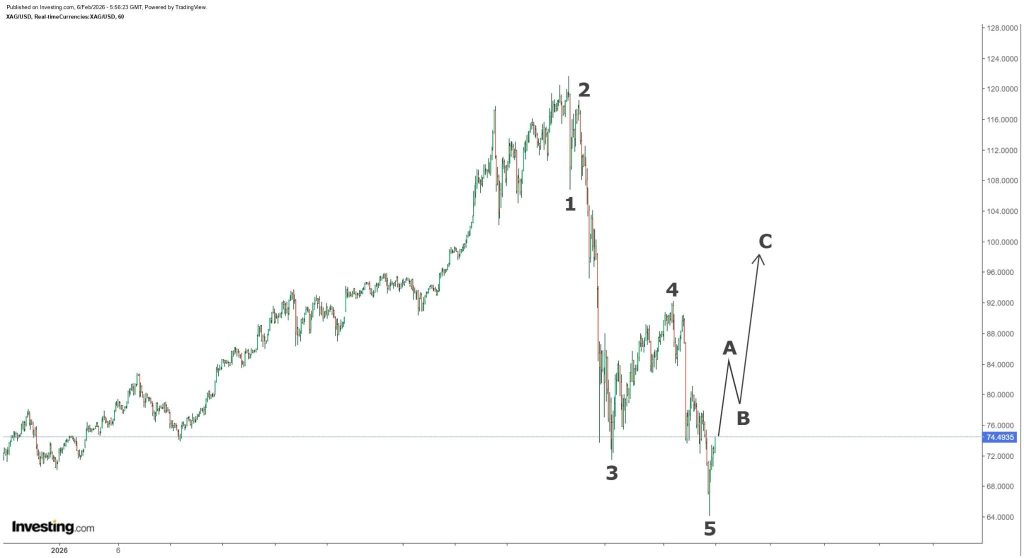
Silver Price Crash Is Over “For Real This Time,” Analyst Predicts a Surge Back Above $90

Silver Price Crash Is Over “For Real This Time,” Analyst Predicts a Surge Back Above $90

Silver has been taking a beating lately, and the Silver price hasn’t exactly been acting like a safe haven. After running up into the highs, the whole move reversed
Share
Captainaltcoin2026/02/07 03:15
Tapzi is Investors’ 1000x Pick in Volatile Market

Tapzi is Investors’ 1000x Pick in Volatile Market

The post Tapzi is Investors’ 1000x Pick in Volatile Market appeared on BitcoinEthereumNews.com. Crypto News 18 September 2025 | 00:05 Bitcoin swings after CPI data release as Tapzi’s presale gains momentum, emerging as a top crypto project in 2025. The crypto market moved sharply last week after the release of US Consumer Price Index (CPI) data. Bitcoin, the largest digital asset, reacted within minutes of the announcement, recording rapid swings before settling back near earlier levels.  At the same time, presale projects continued to attract investors, with Tapzi emerging as one of the most-watched tokens this month. It is being picked by investors as the next crypto to explode due to its high-growth potential in Tier 1 and Tier 2 countries, with Web3 gaming’s increasing adoption. Tapzi Presale Draws Attention While Bitcoin reacted to economic data, Tapzi’s presale has become a focal point among both retail and larger investors. Tapzi is a Web3 gaming platform designed to merge competitive gameplay with blockchain-based settlements. Players stake TAPZI tokens in head-to-head matches of chess, checkers, rock-paper-scissors, and tic-tac-toe. Winners receive tokens directly from prize pools funded by players, not by inflationary rewards. Don’t Watch the Wave – Ride It With $TAPZI! The presale opened with tokens priced at $0.0035. More than 27 million tokens have already been sold, with prices set to increase in each new stage. Analysts following the sale point to potential gains of around 300% once TAPZI lists on exchanges later this year. Liquidity locks and vesting schedules are in place to reduce the risks of sharp sell-offs after launch. This has placed Tapzi on the radar of investors searching for the best crypto to buy now. Bitcoin Price Reacts to CPI Last week, Bitcoin climbed toward $114,000 before jumping to $114,500, its highest level in weeks. The gains were short-lived as the price quickly dropped by $1,000. At press time, Bitcoin…
Share
BitcoinEthereumNews2025/09/18 06:26