

👨🏿🚀TechCabal Daily – Back to the futures
Good morning. 
And welcome back to work. We never left; we hope you didn’t.
Last Saturday, we published the milestone tenth episode of our talk show, Headlines by TechCabal, where our hosts broke down Africa’s creator economy spat, a South African airline now accepting Bitcoin payments (we’re officially in our “pay the milkman” era), and why your Bolt and Uber drivers were probably nonchalant last week. Spoiler: it wasn’t a you problem; they just want a better system.
If you missed it, you can watch the episode here.
Want to advertise your brand on Headlines? Speak to the team.
Let’s dive in.
- M-PESA extends its number masking feature
- NGX launches two new index futures
- ICASA hikes telecom fees
- World Wide Web 3
- Job Openings
Mobile money
M-PESA extends its number masking feature
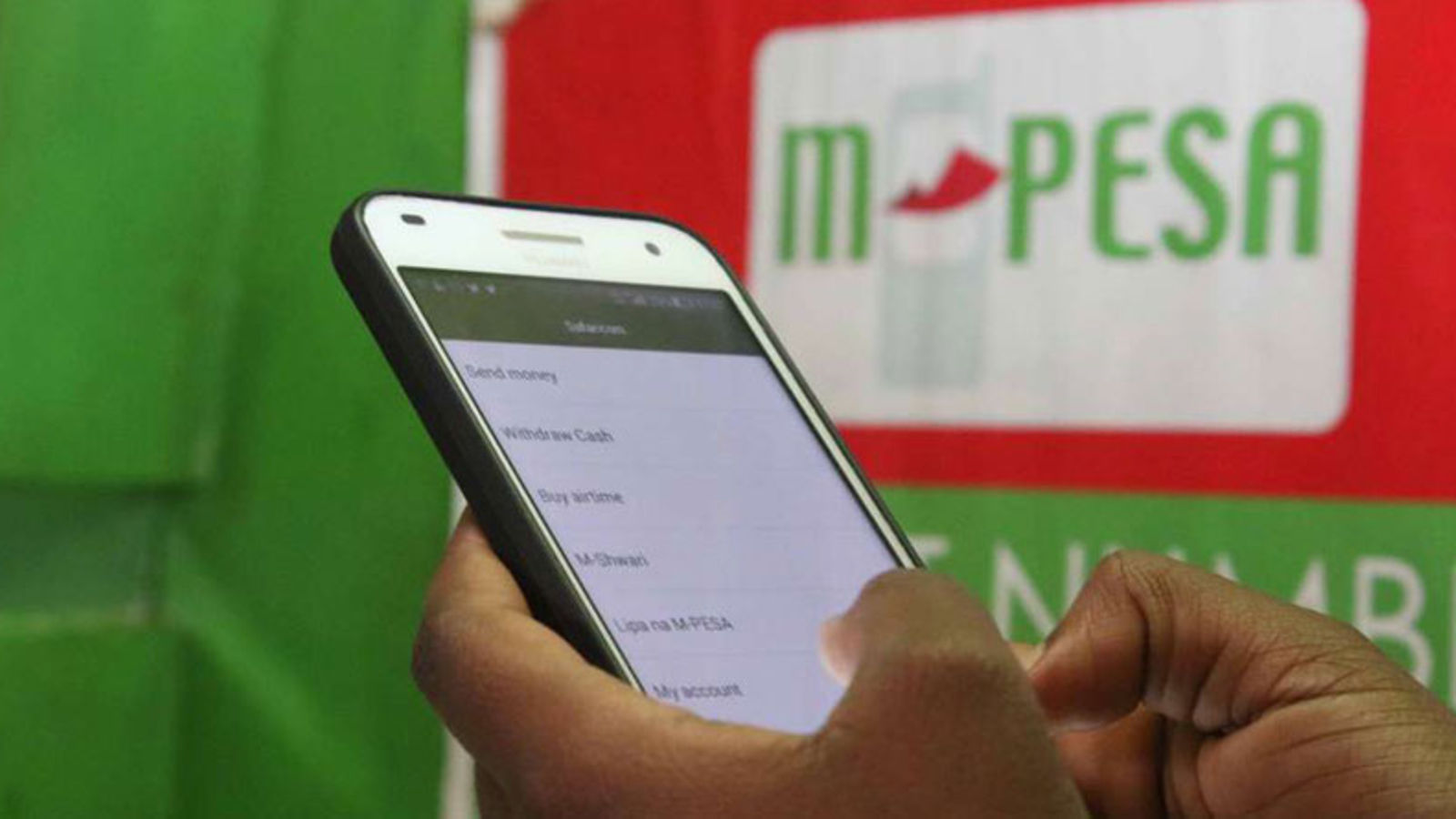 Image Source: Business Daily Africa
For years, every M-PESA transaction message has carried the phone number of the sender, allowing merchants to confirm payments and small businesses to build customer lists. But Safaricom, Kenya’s largest telecoms operator, is redesigning that.
What’s changing: Starting with peer-to-peer (P2P) transfers and now expanding to merchant payments and bank integrations by late 2026, the telco will begin masking phone numbers across transactions. Merchants will still get payment confirmation messages, but the phone number of the paying customer will become partially visible in those messages.
Why are they doing this? To prevent potential data mining by fraudulent actors who can tap into the phone books of merchants. Fraudsters could commit SIM-swap fraud, where they lock the legitimate owner out of their line. In 2024, Kenya’s mobile banking fraud caused a loss of KES 810.7 billion ($6.2 billion). Safaricom is trying to close that loop.
This will inconvenience people: Merchants, especially small ones, will no longer be able to pull numbers from alerts to follow up or build customer lists, which could put a stop to unwarranted marketing spam calls to buyers just because they previously purchased an item. But it is friction that Safaricom expects in upholding the privacy of its users.
Fincra is now licenced in Canada.
Fincra has secured a PSP licence in Canada, adding a regulated connection between Africa and one of the world’s most trusted financial systems. See what this means for your business.
Capital Market
Nigerian Exchange launches two new index futures contracts
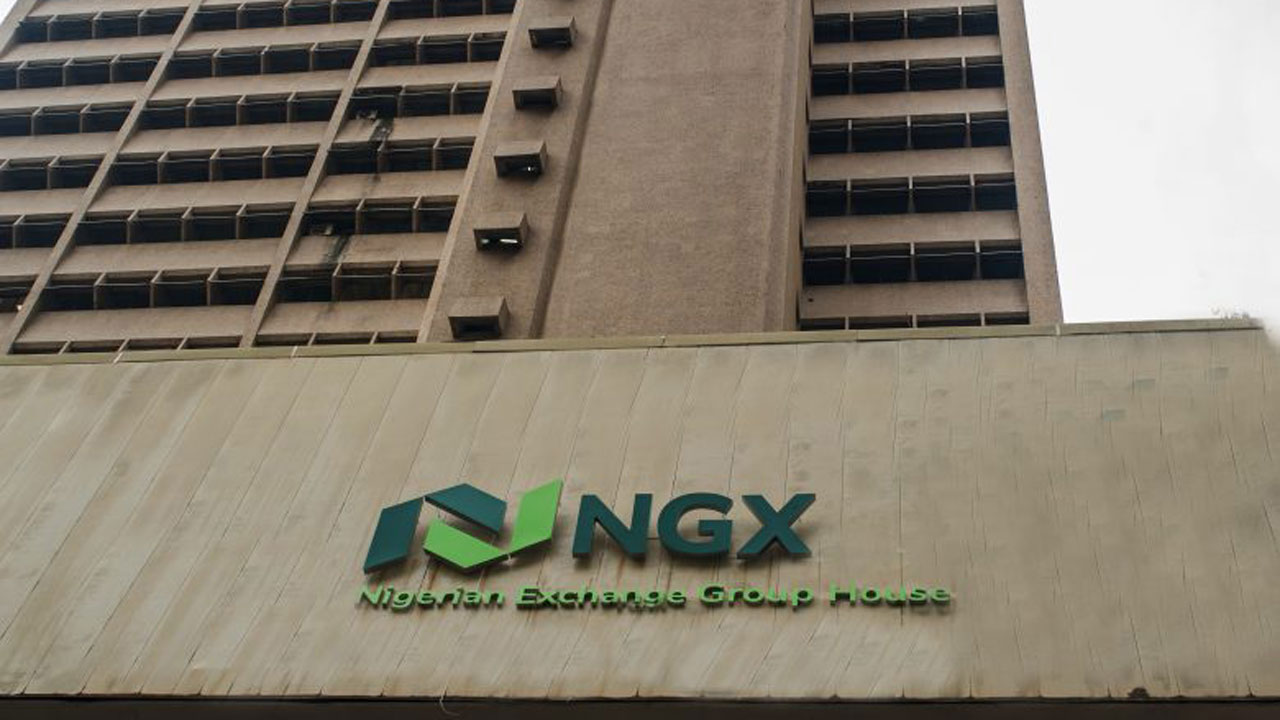 Image Source: The Guardian Nigeria
On March 16, the Nigerian Exchange Group (NGX), the country’s stock exchange, rolled out two short‑dated index futures tied to its NGX 30 and Pension indices, giving investors a way to take a view (or bet) on the market without touching a single underlying share. Those contracts will expire on September 18, 2026.
It is not the exchange’s first brush with derivatives, but the emphasis this time is clearer: short tenors, simple index exposure, and a product that openly acknowledges speculation alongside hedging.
Between the lines: NGX’s real problem has never been a lack of instruments; it has been a lack of energy. Retail money has drifted to faster, flashier venues—crypto futures, offshore FX platforms, and, recently, prediction markets are competing for the pockets of young investors—where leverage, 24/7 trading, and big swings are the norm. These contracts look like an attempt to meet that behaviour halfway, by offering directional, time‑boxed trades inside a regulated wrapper instead of on a dodgy app.
On paper, everyone wins. Institutional investors, like pension funds, get a straightforward way to protect the value of the portfolios they already hold, and retail traders get a simple way to bet on where the overall market is headed instead of scrambling to buy and sell lots of individual stocks when prices move.
The catch: Leverage cuts both ways, and Nigeria’s investor education has not kept pace with its risk appetite. Which is why the timing feels less like a technical upgrade and more like a competitive answer.
Regulators openly say more young Nigerians now trade crypto than local equities. NGX’s new futures sit squarely in that reality, and leave us with a simple question: is this about deepening the capital market, or about trying to win back a generation that already decided the real action lives elsewhere?
Telecoms
South Africa’s telecoms industry is facing price increases
 Image Source: Tenor
The Independent Communications Authority of South Africa (ICASA), the country’s telecoms regulator, has hiked telecom fees by 3.2%. The increase, kicking in from April 1, will change how South Africans access telecom, satellite, and mobile services.
This hike is a system-wide adjustment.
- Device makers now pay more to get phones, routers, gadgets, and their device variants approved before they can be sold.
- Telecom operators (mobile and fibre networks) face higher costs to maintain and modify licences.
- Broadcasters and satellite operators aren’t spared either, as they pay more for licence updates, renewals, and operational changes.
- Running satellite hubs and managing spectrum access is now pricier.
- Even courier and logistics companies (unreserved postal services) see their regulatory costs tick up in registration and licence renewal.
Why this is happening: The increase is tied to changes in the Consumer Price Index (CPI), an economic metric tracking monthly retail price changes for goods and services to determine inflation. In February 2026, South Africa’s CPI eased to 3.0% from 3.5% in January.
It may sound like prices dropped, but a CPI easing doesn’t necessarily mean that; it just means that prices of goods are rising more slowly than they did before. Things are still expensive, and ICASA is adjusting its fees to match those already higher prices.
What this means for you: When it becomes more expensive to import devices, certify them, run networks, or tweak infrastructure, companies absorb some of it and pass some of it on. That could look like slightly higher device prices or gradual increases in service costs over time. And if fees are now moving in step with inflation, then this might actually become an annual ritual.
CRYPTO TRACKER
The World Wide Web3
Source:

|
Coin Name |
Current Value |
Day |
Month |
|---|---|---|---|
| Bitcoin | $68,219 |
– 1.45% |
+ 0.29% |
| Ether | $2,062 |
– 1.93% |
+ 4.74% |
| World Mobile Token | $0.08815 |
– 1.53% |
+ 9.99% |
| Solana | $86.75 |
– 1.68% |
+ 2.08% |
* Data as of 03.45 AM WAT, March 23, 2026.
Job Openings
- Big Cabal Media — Senior Motion Designer, YouTube Growth Strategist, Quality Assurance Engineer, Editor-in-Chief (TechCabal) — Lagos, Nigeria
- Fincra — Country Manager, Kenya — Remote (Kenya)
- Fincra — Country Manager, Mozambique — Remote (Mozambique)
- Fincra — Country Manager, South Africa — Remote (South Africa)
- Fincra — Senior Product Engineer, Senior Marketing Specialist, and several other roles — Remote (anywhere in the world)
- Paga — Strategic Partnership Executive, Software Architect, Senior Sales Executive, Doroki Growth Marketing Manager, and several other roles — Lagos, Nigeria
There are more jobs on TechCabal’s job board. If you have job opportunities to share, please submit them at bit.ly/tcxjobs.
- Digital Nomads: Samuel Odeloye left Lagos. He never stopped building for it.
- “I wasn’t sure I could make money from the industry”: Day 1-1000 of Space in Africa
- AI was everywhere at gaming’s big developer conference — except the games
- Africa pours $2 billion into controversial Chinese surveillance tech
- African government borrowing set to hit $155B in 2026
Written by: Opeyemi Kareem and Emmanuel Nwosu
Edited by: Emmanuel Nwosu & Ganiu Oloruntade
Want more of TechCabal?
Sign up for our insightful newsletters on the business and economy of tech in Africa.
- The Next Wave: futuristic analysis of the business of tech in Africa.
- Francophone Weekly by TechCabal: insider insights and analysis of Francophone’s tech ecosystem
P:S If you’re often missing TC Daily in your inbox, check your Promotions folder and move any edition of TC Daily from “Promotions” to your “Main” or “Primary” folder and TC Daily will always come to you.

You May Also Like

Polygon Tops RWA Rankings With $1.1B in Tokenized Assets

Kalshi debuts ecosystem hub with Solana and Base

