

U.S. Dollar Plummets to One-Week Low as Hopeful Middle East Ceasefire Talks Intensify
BitcoinWorld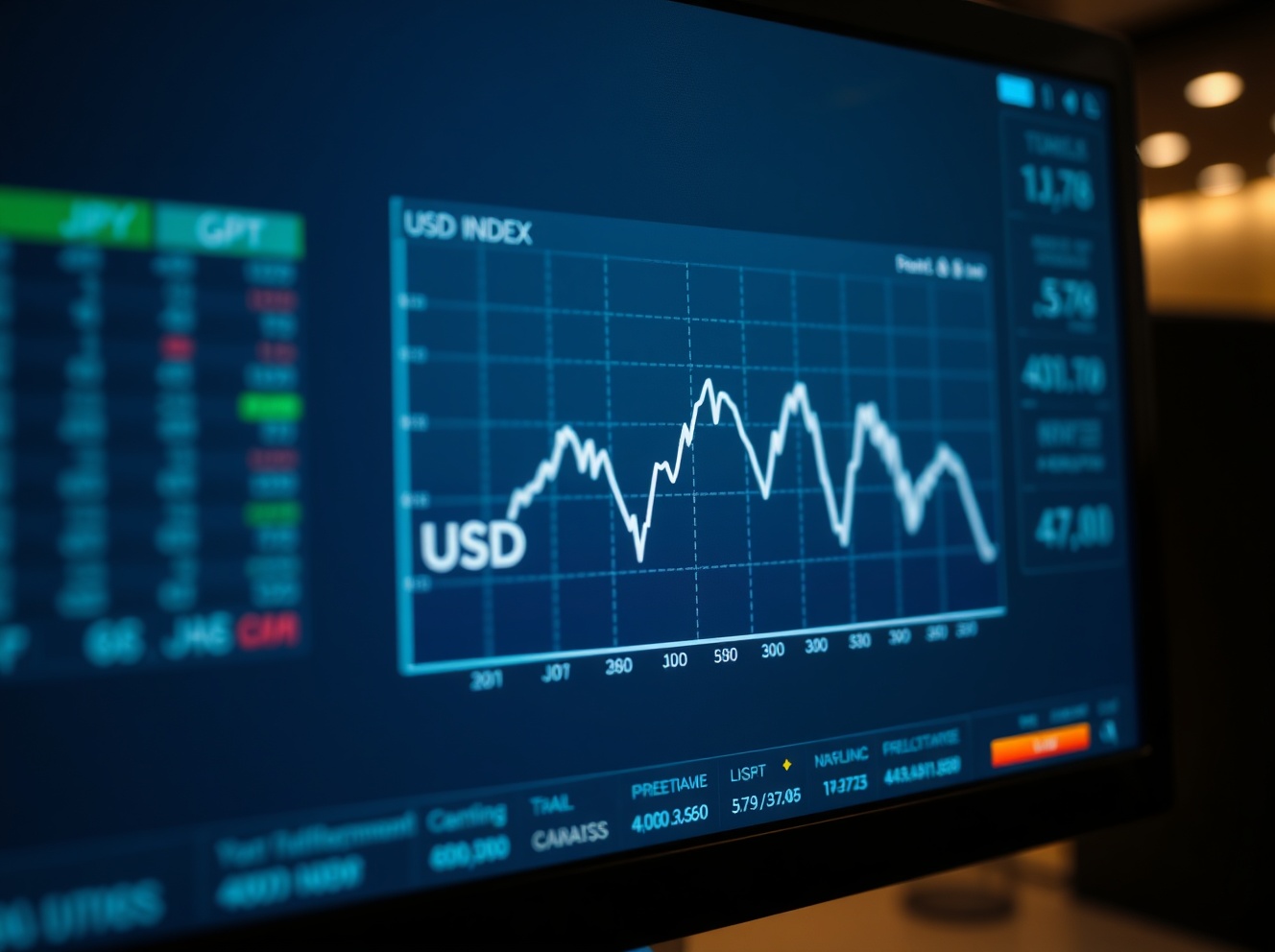
U.S. Dollar Plummets to One-Week Low as Hopeful Middle East Ceasefire Talks Intensify
NEW YORK, April 10, 2025 – The U.S. dollar slumped to a one-week low in global trading sessions today, a significant move directly tied to burgeoning diplomatic hopes for a halt to the protracted Middle East conflict. Market analysts immediately linked the greenback’s retreat to a sharp reduction in its traditional safe-haven appeal. Consequently, investors began rotating capital into riskier assets, interpreting the potential de-escalation as a catalyst for global economic stability.
U.S. Dollar Faces Downward Pressure from Geopolitical Shifts
The Dollar Index (DXY), which measures the currency against a basket of six major peers, fell 0.8% to its weakest level in seven days. This decline was broad-based, with notable gains for the euro, British pound, and commodity-linked currencies like the Australian dollar. The shift represents a clear reversal from the previous month’s trend, where geopolitical uncertainty fueled consistent dollar strength. Trading volumes spiked significantly above the 30-day average, confirming the move was driven by substantive news flow rather than technical adjustments.
Forex market sentiment often acts as a real-time barometer for global risk perception. Historically, the U.S. dollar benefits from flight-to-safety flows during international crises. Therefore, any credible signal of conflict resolution triggers an opposite and powerful reaction. This dynamic was vividly displayed during today’s session, as outlined in the comparative table below.
| Currency Pair | % Change (April 10) | Primary Driver |
|---|---|---|
| EUR/USD | +0.9% | Reduced safe-haven demand for USD |
| GBP/USD | +0.7% | Improved global growth outlook |
| USD/JPY | -0.6% | Yield differential adjustments |
| AUD/USD | +1.2% | Commodity currency rally on risk-on mood |
Diplomatic Momentum Drives Market Reassessment
Reports from multiple international agencies confirmed intensified mediation efforts. Key regional powers, alongside U.S. and European diplomats, reportedly advanced a new framework for a sustained humanitarian pause. Crucially, these talks showed more concrete progress than previous iterations, moving beyond statements to logistical discussions. Financial markets are highly sensitive to such gradations in diplomatic language and action.
Furthermore, the potential cessation of conflict carries immediate implications for global energy supplies and trade routes. A stable Middle East reduces the risk premium baked into oil prices, which in turn alleviates inflationary pressures worldwide. Central banks, including the Federal Reserve, monitor these developments closely as they influence future interest rate decisions. Lower inflation risks can translate to a less aggressive monetary policy stance, which typically weighs on a currency’s yield appeal.
Expert Analysis on Currency and Conflict Linkage
Dr. Anya Sharma, Chief Strategist at Global Macro Advisors, provided context on the mechanism. “The dollar’s role as the world’s primary reserve currency creates a reflexive relationship with global stability,” she explained. “When tensions rise, capital seeks the liquidity and perceived safety of U.S. Treasuries, boosting the dollar. Conversely, credible peace prospects trigger a rapid unwinding of those positions. Today’s price action is a textbook example of this geopolitical discount being repriced.”
Data from the Commodity Futures Trading Commission (CFTC) supports this view. Speculative net long positions on the U.S. dollar had reached elevated levels in recent weeks. The sudden shift in news flow likely forced a wave of profit-taking and position squaring, accelerating the downward move. This technical factor amplified the fundamental driver, creating the pronounced one-week low.
Broader Financial Market Impacts and Ripple Effects
The dollar’s weakness reverberated across asset classes. Notably, global equity markets rallied, with European and emerging market indices outperforming. Gold prices, another classic safe haven, also edged lower. Meanwhile, U.S. Treasury yields experienced upward pressure as some foreign selling emerged. This interconnected response highlights the central role of the U.S. dollar in the global financial system.
For multinational corporations, a weaker dollar has mixed implications. It boosts the translated value of overseas earnings for U.S.-based firms but increases costs for foreign entities with dollar-denominated debt. Emerging market economies, in particular, often benefit from a softer dollar as it eases external debt servicing burdens and supports capital inflows. The immediate market reaction suggests investors are betting on these positive secondary effects taking hold.
- Equities: Risk-on sentiment boosted cyclical sectors.
- Commodities: Oil prices moderated while industrial metals gained.
- Bonds: Narrowing yield spreads between U.S. and German bonds.
Historical Context and Forward-Looking Scenarios
Examining past episodes, such as the initial phases of de-escalation in other regional conflicts, shows that currency moves based on geopolitical news can be volatile. The initial optimism-driven selloff in the dollar may be sustained or partially reversed depending on the durability of diplomatic outcomes. Markets will scrutinize every official statement and on-the-ground development in the coming days for confirmation.
The primary risk to the current trend is a breakdown in negotiations. Any resurgence of violence would likely see a violent snapback in dollar strength. Conversely, a formal ceasefire agreement could extend the dollar’s weakness and solidify a longer-term trend toward currency normalization. Traders are now adjusting portfolios to account for this increased binary outcome scenario, leading to higher implied volatility in forex options markets.
Conclusion
The U.S. dollar’s decline to a one-week low serves as a powerful testament to the financial market’s immediate response to geopolitical developments. The hopeful signals for a halt in the Middle East conflict have directly reduced the currency’s safe-haven premium, triggering capital flows into risk assets. While the path of diplomacy remains uncertain, today’s price action underscores the profound linkage between global peace prospects and the valuation of the world’s reserve currency. Market participants will continue to monitor the situation closely, as the durability of the dollar’s move hinges entirely on tangible progress toward lasting stability.
FAQs
Q1: Why does the U.S. dollar fall when Middle East tensions ease?
The U.S. dollar is considered a global safe-haven asset. During crises, investors buy dollars and U.S. Treasuries for safety. When conflict risks recede, that safety demand evaporates, causing selling pressure on the currency.
Q2: What is the Dollar Index (DXY)?
The U.S. Dollar Index is a measure of the value of the United States dollar relative to a basket of six major world currencies: the euro, Japanese yen, British pound, Canadian dollar, Swedish krona, and Swiss franc.
Q3: How does a weaker U.S. dollar affect the average American?
It can lead to higher prices for imported goods, potentially increasing inflation. However, it can also make U.S. exports cheaper for foreign buyers, potentially boosting manufacturing and agricultural sectors.
Q4: Besides the Middle East, what other factors influence the dollar’s strength?
Key factors include U.S. interest rate policy set by the Federal Reserve, domestic economic data (GDP, employment), inflation rates, and broader global economic growth trends.
Q5: Could this dollar weakness become a long-term trend?
While driven by geopolitics today, long-term trends depend on fundamental economic divergences. If U.S. economic growth slows relative to other regions or the Fed cuts rates aggressively, a sustained weaker dollar period could develop.
This post U.S. Dollar Plummets to One-Week Low as Hopeful Middle East Ceasefire Talks Intensify first appeared on BitcoinWorld.


You May Also Like

Worldex Launches FxFi Infrastructure for Global Currency Access

US Retail Sales rise 0.6% to $738.4 billion in February



