


USDT Network Structure: How Tether Coin Is Built
The architecture of Tether (USDT) represents a distributed blockchain network built upon advanced cryptographic principles. Unlike centralized systems, USDT employs a fully distributed ledger maintained across thousands of independent nodes worldwide.
The Tether crypto network consists of a consensus layer for transaction validation, a data layer managing blockchain state, a network layer facilitating node communication, and an application layer enabling dApp development across multiple blockchains such as Ethereum, Tron, and Solana.
The network employs full nodes maintaining complete blockchain copies, lightweight nodes storing only relevant information, and validator nodes confirming transactions through the Proof of Stake (PoS) protocol on supported blockchains, which reduces energy consumption by 99% while maintaining robust security for the Tether token.
Decentralization in Action: How USDT Tether Distributes Power
In Tether (USDT), decentralization refers to the distribution of control across a global network rather than relying on central authorities. This is achieved through cryptographic verification and democratic governance mechanisms embedded in the underlying blockchains, ensuring no single entity can control the Tether network.
Power distribution is maintained through a token-based governance system on each host blockchain, where Tether token holders receive voting rights proportional to their stake. This creates a self-regulating ecosystem where protocol changes require majority approval from stakeholders.
Validators secure the Tether crypto network by verifying transactions, proposing blocks, and participating in governance. Their staked tokens serve as financial incentive for honest behavior, as validators risk losing their stake through slashing if they act maliciously.
Your Benefits: What Decentralization Means for Tether Coin
The distributed consensus model provides enhanced protection by requiring attackers to compromise at least 51% of the network's validating power—increasingly difficult as the Tether network grows.
USDT's decentralization offers resistance to censorship and tampering. Unlike traditional systems subject to asset freezing or manipulation, Tether transactions cannot be blocked once confirmed, providing unprecedented financial sovereignty for users.
The distributed architecture eliminates single points of failure by operating across thousands of independent nodes, ensuring Tether crypto network continuity even if significant portions experience downtime.
All transactions are recorded on an immutable public ledger, enabling independent verification and real-time auditability of USDT that traditional financial systems cannot match.
The Tech That Makes Tether Token Truly Decentralized
Tether (USDT) implements Byzantine Fault Tolerance for consensus despite malicious nodes, zero-knowledge proofs for private yet verifiable transactions, and threshold signatures distributing signing authority on supported blockchains. The network's security relies on elliptic curve cryptography providing military-grade protection with smaller key sizes.
Data management employs sharding across multiple nodes, which enhances security while improving retrieval efficiency. To address scalability, Tether crypto benefits from layer-2 solutions capable of processing up to 100,000 transactions per second without compromising decentralization.
Join the Network: How to Participate in Tether USDT
Becoming a validator requires hardware meeting minimum specifications and staking requirements as defined by the host blockchain (e.g., Ethereum, Tron, Solana). Participants earn annual returns plus proportional voting rights on Tether network upgrades.
Community governance operates through dedicated forums and voting platforms where stakeholders can propose improvements and vote on changes, ensuring the Tether coin network evolves according to its users' collective will.
For technical understanding, the project offers comprehensive documentation and community resources making USDT Tether accessible despite its sophisticated underpinnings.
Learn More: Dive Deeper into Tether USDT Trading
Tether's decentralized architecture provides unmatched security and censorship resistance by distributing power across thousands of nodes worldwide. To take full advantage of this revolutionary technology, explore our USDT Trading Complete Guide which covers everything from Tether fundamentals to advanced strategies.
Описание: Криптопульс использует возможности ИИ и открытые источники, чтобы мгновенно сообщать вам о самых актуальных трендах токенов. За экспертной аналитикой и подробной информацией перейдите на MEXC Обучение.
Статьи, размещенные на данной странице, получены из открытых источников и предоставлены исключительно в информационных целях. Они не обязательно отражают точку зрения MEXC. Все права принадлежат их первоначальным авторам. Если вы считаете, что какой-либо материал нарушает права третьих лиц, пожалуйста, свяжитесь с нами по адресу service@support.mexc.com для его оперативного удаления.
MEXC не гарантирует точность, полноту или актуальность представленного контента и не несет ответственности за любые действия, предпринятые на основе предоставленной информации. Содержимое не является финансовой, юридической или иной профессиональной консультацией и не должно рассматриваться как рекомендация или одобрение со стороны MEXC.
Последние новости о WHY
Подробнее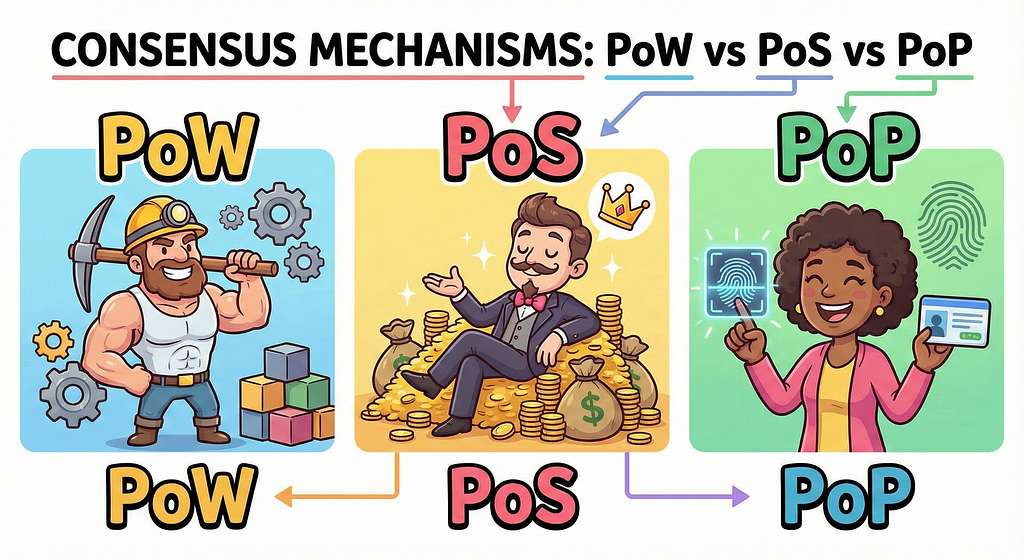
Конец дорогостоящего майнинга: почему 'PoP' превращает вас в идеального валидатора

Масштабные расходы Oracle на ИИ вызывают крупнейшую распродажу за несколько месяцев

Лучшие прогнозы на 2026 год: Dogecoin (DOGE) нацелен на 0.7$, но почему трейдеры видят больший прирост в GeeFi (GEE)
В тренде
Трендовые криптовалюты, которые в настоящее время привлекают значительное внимание рынка
Цены на криптовалюту
Криптовалюты с наибольшим объемом торгов
Недавно добавленные
Криптовалюты недавно внесенные в листинг и доступные для торговли