Trump Just Gave a Timeline for Rate Cuts — and It Depends on Iran
TLDR
- Trump told Fortune magazine he may have to wait for rate cuts until the Iran war is over
- Incoming Fed Chair Kevin Warsh has made no promises on cutting rates
- CPI inflation came in at 3.8%, well above the Fed’s 2% target
- 2-year Treasury yields spiked above 4%, their highest point this year
- The blocked Strait of Hormuz is fueling an energy shock and keeping inflation high
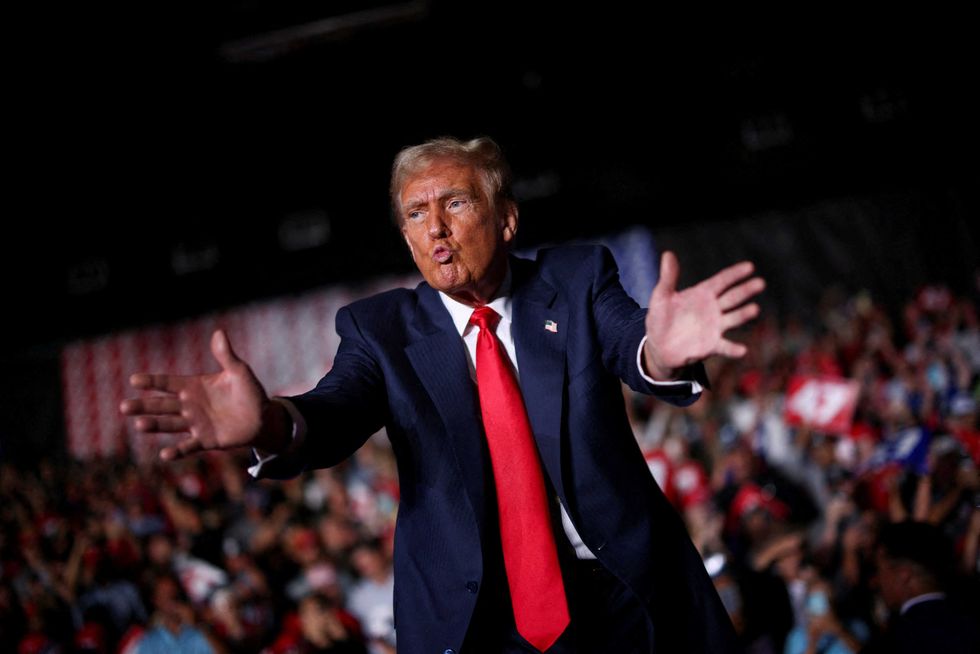
U.S. President Donald Trump has acknowledged he may need to wait until the war with Iran is over before seeing interest rate cuts. He made the comment in an interview with Fortune magazine published on Monday.
The war in the Middle East is having a direct impact on global energy markets. The Strait of Hormuz, a key chokepoint for global oil supply, remains blocked. Deutsche Bank’s Jim Reid told clients that Trump’s comment about not needing the Strait open “at all” has added to fears of a prolonged energy shock.

The Strait is a bigger problem for China than the U.S., since the U.S. is a net energy exporter. China is the single largest buyer of Iranian oil. Trump’s recent visit to Beijing produced little concrete action, though China agreed the Strait must eventually reopen.
Kevin Warsh and the Fed Face Mounting Pressure
Incoming Federal Reserve Chair Kevin Warsh has told the Senate he has made no commitments on rate cuts. At his confirmation hearing in April, he testified that “inflation is a choice.”
Warsh has spoken about the potential for artificial intelligence to boost productivity, which he sees as a possible long-term reason for easing rates. But markets are not pricing in cuts anytime soon.
The latest consumer price index reading came in at 3.8%, well above the Fed’s 2% target. That gap makes it harder to justify a rate cut in the near term.
Treasury yields across multiple time frames have risen. 2-year Treasury yields spiked above 4% this week, their highest level year-to-date. 30-year and 20-year yields are both above 5%.
Bond Market Signals Caution
Rising longer-term yields effectively tighten financial conditions without the Fed having to act. Some analysts say this could actually give Warsh cover to make a smaller cut to short-term rates, as an offset.
Joseph Brusuelas, chief economist at RSM, said the rise in inflation expectations means the Fed will need to prepare for the possibility that inflation keeps climbing. “He may get the chance to prove he actually believes it,” Brusuelas said, referring to Warsh’s confirmation hearing comment.
The 2-year Treasury is often seen as a gauge of where the market expects rates to go over the next few years. Its sharp move above 4% this week signals that investors are not expecting cuts anytime soon.
For now, Trump’s push for lower rates is running into a wall of data pointing in the opposite direction. Until inflation cools and the Iran conflict is resolved, rate cuts appear unlikely.
The post Trump Just Gave a Timeline for Rate Cuts — and It Depends on Iran appeared first on CoinCentral.


Ayrıca Şunları da Beğenebilirsiniz

BTC Price Shaky Near $67K While Oil Surges on Middle East Tensions: What's Next? (April 2 Update)

The $55 Oil Trade Is Still on the Table, but Brent’s Chart Has Conditions