

David Schwartz Dismisses XRP Memecoin Investment Hype
TLDR
- David Schwartz said he finds the idea of treating memecoins as investments distasteful.
- He rejected requests to act as ambassador for the XRP-based FUZZY token.
- Schwartz warned that scammers could misuse his public profile for promotion.
- He clarified that opening a trust line for FUZZY was only a technical step.
- He stated that adding a token to a wallet does not mean endorsement.
- Schwartz described FUZZY as an internet meme rather than an investment asset.
Ripple CTO Emeritus David Schwartz rejected calls to promote a new XRP-based memecoin project. He said he finds treating memecoins as investments “distasteful.” He clarified that recent wallet activity does not signal endorsement of the FUZZY token.
Schwartz Rejects Memecoins as Investment Vehicles
David Schwartz addressed the issue after users on X urged him to represent the FUZZY project. However, he declined the proposal and questioned the idea behind it.
He explained that memecoins lack intrinsic value and rely on speculative demand. He agreed with users who described such tokens as driven by “hopium.” He added that building a serious portfolio around them looks ridiculous. However, he said he does not want to suppress genuine community activity.
He also warned about the risks of becoming a promotional shield for unknown actors. He said hidden scammers could misuse his public profile. Therefore, he refused to serve as ambassador for the project. He maintained a neutral stance toward community creativity.
Schwartz said memecoins can exist as internet humor and digital culture. However, he drew a line between memes and investments. He stressed that his comments reflect personal judgment, not company policy. He continued to engage publicly with the XRP community.
FUZZY Token Sparks Confusion Over Wallet Activity
The controversy followed a technical action involving the FUZZY token. Earlier this month, Schwartz opened a trust line for FUZZY in his wallet. Consequently, some $XRP holders interpreted the move as symbolic support. They linked the token’s name to Ripple’s early network history.
The FUZZY name references the historic Fuzzybear wallet activated in 2013. That wallet once placed a joke order offering 1 $XRP for 1 BTC. Because of that history, some investors assumed insider involvement. However, Schwartz quickly rejected those claims.
He explained that adding a trust line serves technical testing purposes. He said the action does not represent an endorsement or investment signal. He stated that he knows about FUZZY “no more than any random passerby.” He described the token as an amusing internet phenomenon.
He emphasized that wallet configuration remains a routine network function. He clarified that developers often test tokens without supporting them publicly. Therefore, he dismissed conspiracy theories circulating among $XRP supporters. He reiterated that technical activity should not be confused with approval.
Schwartz continues to respond to community questions on X. He maintains that memecoins should not be treated as structured investments. His latest comments, posted on May 18, 2026, restated that position clearly.
The post David Schwartz Dismisses XRP Memecoin Investment Hype appeared first on CoinCentral.


Ayrıca Şunları da Beğenebilirsiniz
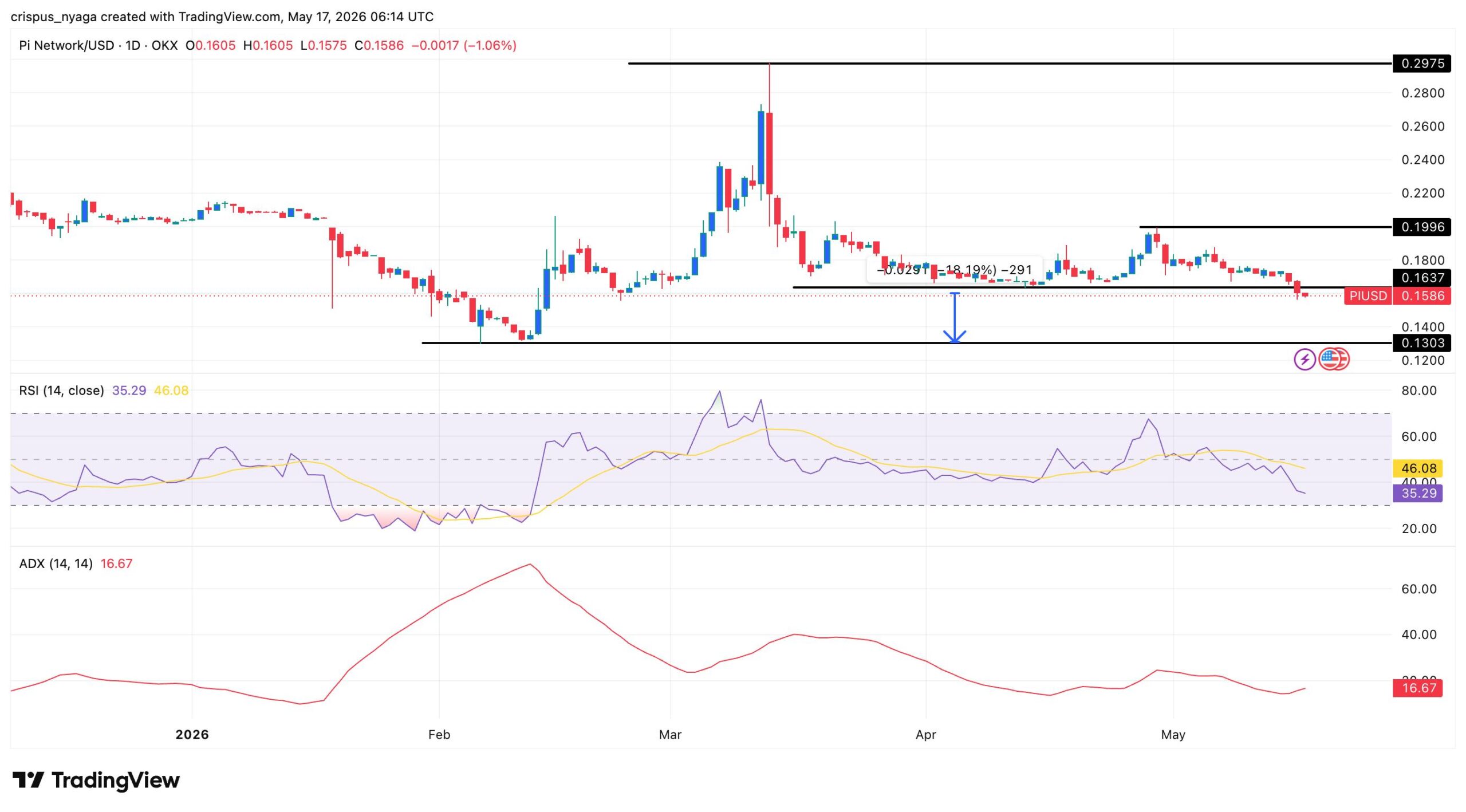
Pi Coin Price Crashes Another 7.5% Before Pi Network Protocol 23 Mainnet Activation

Evercore ISI S&P 500 Forecast 2026: Base Case 7,750, Bull Case 9,000




