US SEC Mulls Confidential Crypto ETF Filings as Applications Cross 200 Each Month
Key highlights:
- The SEC has opened a 60-day window for public comments on crypto ETFs and other novel products
- Brian Daly is predicting a raft of comments bordering on confidential ETF filings
- The SEC says it is prepared to change its rules after learning from industry players
Brian Daly, director of the SEC’s Division of Investment Management, has confirmed that the securities regulator may allow asset management firms to make confidential crypto ETF filings. The SEC, keen on learning from its previous mistakes, is grappling with an avalanche of ETF filings each month as it seeks to streamline its internal processes.
US SEC eyes changes to ETF approval processes
Brian Daly disclosed the SEC’s changing position in a Trillions podcast episode hosted by Bloomberg ETF analyst Eric Balchunas. The SEC director noted that the SEC has opened a public consultation to seek expert commentary on ways to improve crypto ETFs and other novel ETFs.
According to Daly, the SEC will listen to opinions of industry players and crypto ETF sponsors, adding that “there are lots of things we do not know.” Daly predicted that a slice of the comments will border on confidential filings to protect innovation and prevent copycat filings.
“To be a little more specific, I expect we will have people who comment because we’ve heard these already in passing,” said Daly. “I suspect we’re going to have people suggest that we have a confidential filing system.”
Novel crypto ETFs filings have spawned several imitations across the ecosystem. At the moment, several firms are angling for Bitcoin Income ETFs after industry first-movers went to market with their offerings.
Already, a confidential filing system exists for companies, with OpenAI recently making a confidential S-1 filing to the SEC amid plans for an IPO. However, Daly disclosed that existing robust rules make it possible for companies to make private filings to regulators.
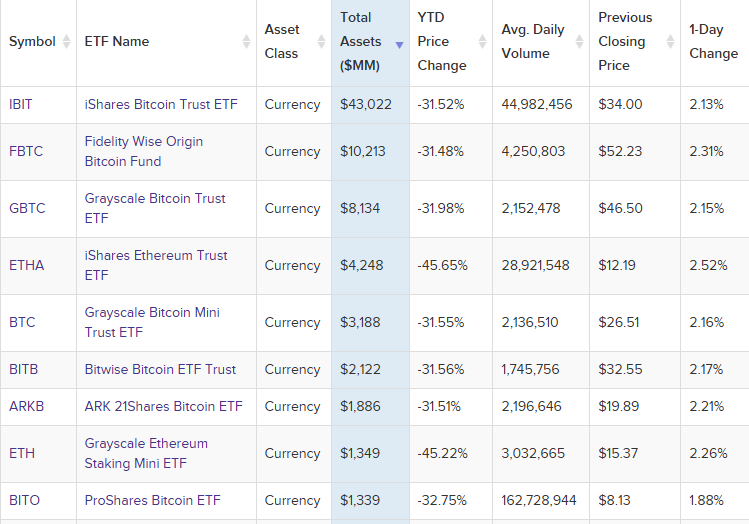
Source: ETFdb
If the SEC makes the rule change for crypto ETFs, the regulator will review the filings behind closed doors. Issuers will revise structures, custody arrangements, staking models, and redemption mechanisms without competitors copying the idea.
A changing stance by the US SEC
The SEC’s public comment period on the regulation of novel ETFs will last for 60 days, encompassing crypto-asset funds and prediction market ETFs.
While market players push for confidential filings, another front burner will be the classification of funds built around digital assets, particularly whether or not they qualify as investment companies under the Investment Company Act of 1940.
Also, the SEC is bracing for comments revolving around its Rule 6c-11 that allows certain ETFs to skip exemptive orders. The SEC is pushing for the addition of minimum securities holdings for crypto ETFs, potentially expanding the conditions to novel ETFs.
“We did a bad job with crypto, broke trust, but we are looking to get back to a good place and make an orderly process to deal with the 200 ETF filings we get every month, including novel stuff like prediction markets,” said Daly.
Furthermore, Daly disclosed that the 200 ETF applications each month are a considerable strain on the agency's resources. The public comments will also debate the viability of the current 60–75 day window for SEC staff to review crypto ETF filings.


Ayrıca Şunları da Beğenebilirsiniz

Bitcoin treasury sell-off accelerates as Riot, Bhutan, and public companies exit positions

Binance Perpetual Futures Revolution: QQQ and Major US Stocks Enter Crypto Derivatives Market with 10x Leverage