The Metaverse Didn’t Fail – It Just Needed a Business Model. Flashy May Have Found It
How dormant virtual land is finally being activated through utility, RWA-backed incentives, and gaming-driven economics.
For the past three years, the Metaverse has been treated as the tech industry’s favorite cautionary tale. Virtual real estate went from feverish speculation to near-total stagnation, with millions of dollars’ worth of land across platforms like The Sandbox, Decentraland & Pavia sitting untouched. Headlines declared the Metaverse “dead,” but in reality, something far simpler was missing: a viable business model.
The Metaverse did not need a new graphics engine, better headsets and distribution engines or more celebrity concerts.
What the Metaverse has lacked is utility: a reason for people to return daily, participate actively, and extract real value from digital environments.
Now, an emerging model born from Web3 gaming economics may finally be providing the answer. And Flashy Group, the ecosystem behind the rapidly growing Play-For-Gold movement, is showing what a functional, sustainable Metaverse could look like.
The Problem Was Never the Metaverse – It Was the Empty Land
By 2024, most virtual worlds faced the same challenge: impressive maps and ambitious visions, but little to no activity. Brands had bought land, developers had staked claims, but few had built anything meaningful. The result was predictable: flat engagement, declining foot traffic, and skepticism from both consumers and investors.
The core issue was that landowners had no economic incentive to activate their parcels. Static storefronts and branded billboards couldn’t support ongoing development or community engagement. In short, the Metaverse lacked productive use cases.
What Flashy Group is doing now represents a structural shift: converting dormant land into functional, persistent economies powered by real-world assets (RWA) and gaming mechanics that keep users coming back.
“Most Metaverse land has sat unused. Flashy is converting it into fully activated cultural districts powered by real utility, real community, and real economics,” Michael Gord, CEO & Co-Founder of Flashy, said in a recently published announcement.
Flashy Group’s Play-For-Gold Model: The Missing Economic Engine
Flashy entered Web3 with a simple premise that transformed user behavior: let players earn digital resources that can be redeemed for real-world gold-backed assets. Its first title, Dig It Gold Game, exploded in popularity, with nearly 1,000 users joining in a single day and top players logging over an hour per session.
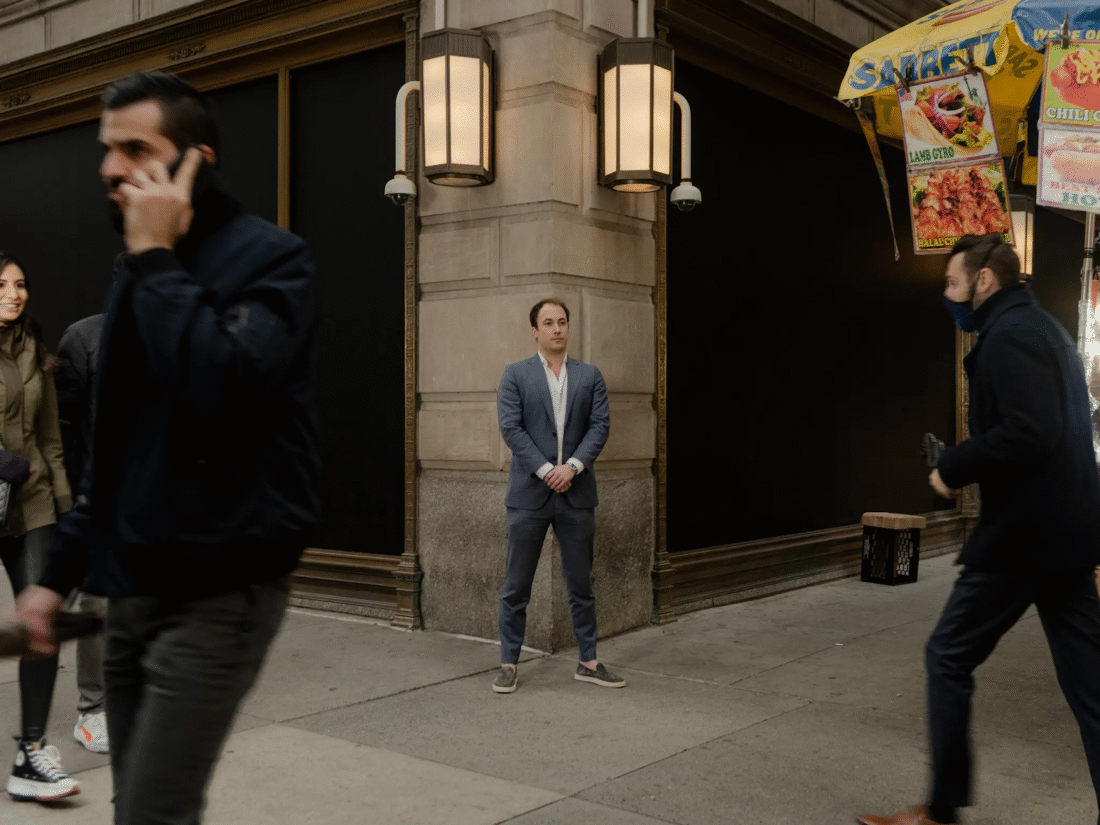 Flashy’s Co-Founder and CEO Michael Gord
However, Play-For-Gold is more than a game mechanic. It’s an economic model that rewards participation with tangible value, and one that translates seamlessly into 3D virtual worlds.
When paired with Metaverse spaces, this model turns digital land into productive zones: digital gold mines that produce digital ore and $NUGS redeemable for real assets; arcades that feed a broader rewards ecosystem; creator zones that incentivize participation; social districts where XP, quests, and CultureFi events drive that daily engagement.
Metaverse land stops being speculative land and it starts being economic infrastructure.
Flashy Group and Metaverse Group: The Turning Point
Flashy’s new strategic partnership with Metaverse Group marks one of the first large-scale attempts to revive the Metaverse through utility rather than hype. The collaboration grants Flashy exclusive development rights across premium land in The Sandbox, Decentraland, Pavia, Superworld, Somnium Space, and other emerging platforms.
Rather than building one-off experiences, Flashy is creating the first multi-world network of interconnected Metaverse districts, each designed with economic output and cultural functionality in mind. These districts include:
- Flashy Gold Mines, where players extract ore and $NUGS;
- Flashy Banks, hubs for gold-backed and RWA-driven experiences;
- Flashy Arcades, linking mini-games with rewards;
- Flashy Social Clubs, membership-based cultural venues;
- Creator zones and festival grounds, fueling community-driven CultureFi.
What sets this model apart is that each environment has a clear economic purpose. Every building is a utility. Every district is a revenue-generating, value-distributing node.
This was what Metaverse land was missing, even at the height of its frenzy, when Gord was dissecting the industry’s meteoric ascent for leading outlets like The New York Times and Business Insider.
Injecting Real-World Value Into Virtual Worlds
The idea of pairing digital experiences with RWAs has long been discussed, but Flashy is among the first to implement it at scale. Users can earn digital assets backed by real-world gold, creating an anchor of value that extends beyond speculation.
Why does this matter?
Because virtual worlds historically failed to produce sustained user engagement. Without real incentives or real stakes, even the most visually impressive environments became novelty experiences. RWA-backed gaming economies change that by giving users: persistent rewards, redeemable value, a reason to return daily, a sense of ownership in virtual economies.
Suddenly, Metaverse experiences feel less like theme parks and more like evolving digital cities.
A New Blueprint for the Metaverse
Flashy’s approach suggests that the Metaverse never needed saving, it just needed a model that aligned incentives between landowners, developers, creators, and players.
The Play-For-Gold economy has become that model, and Flashy’s multi-world expansion shows how this structure can scale across different platforms, uniting fragmented virtual spaces under a single, consistent layer of utility.
If this model succeeds, it may redefine what the Metaverse is actually for: active digital economies powered by real value, culture, and community, rather than digital land speculation.
The Metaverse didn’t fail. It was waiting for someone to give it purpose. Flashy may have just done that.
The post The Metaverse Didn’t Fail – It Just Needed a Business Model. Flashy May Have Found It appeared first on Live Bitcoin News.
Ayrıca Şunları da Beğenebilirsiniz

SOL Faces Pressure, DOT Climbs 2.3%, While BullZilla Presale Rockets Past $460K as the Top New Crypto to Join Now

Ripple Completes Rail Acquisition, Leading Stablecoin Innovation