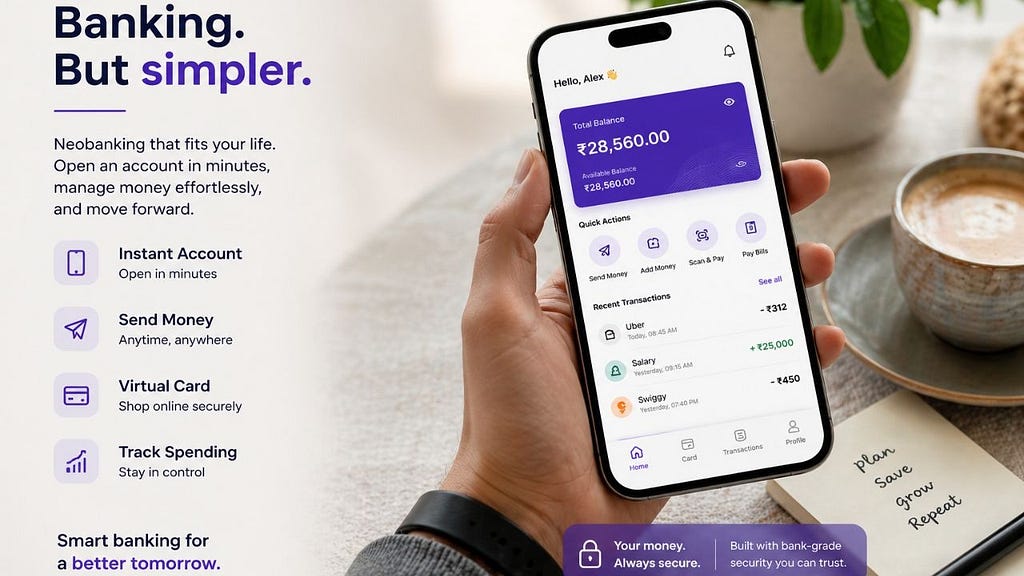
Fintech data platforms are growing rapidly as financial services companies demand access to aggregated, cleaned, and enriched data for decision-making, productFintech data platforms are growing rapidly as financial services companies demand access to aggregated, cleaned, and enriched data for decision-making, product

The Growth of Fintech Data Platforms

2026/03/27 03:48
Okuma süresi: 3 dk
Bu içerikle ilgili geri bildirim veya endişeleriniz için lütfen crypto.news@mexc.com üzerinden bizimle iletişime geçin.

Fintech data platforms are growing rapidly as financial services companies demand access to aggregated, cleaned, and enriched data for decision-making, product development, and compliance. The fintech data platform market exceeded $15 billion in 2024 and is projected to reach $40 billion by 2030, according to Allied Market Research. Companies like Plaid, MX Technologies, Finicity, and Envestnet Yodlee provide the data infrastructure that connects banks, fintech apps, and consumers in an increasingly open financial ecosystem.

What Fintech Data Platforms Provide

These platforms serve as the connective tissue of modern financial services. Plaid connects more than 12,000 financial institutions to applications like Venmo, Robinhood, and Coinbase. When a user links their bank account, Plaid provides transaction data, account balances, identity verification, and income information through standardised APIs. MX Technologies provides similar connectivity with a focus on data enrichment, categorising raw transactions into meaningful spending categories.

The Growth of Fintech Data Platforms

Open banking regulations are expanding the addressable market. The EU’s PSD2, the UK’s Open Banking framework, and Australia’s Consumer Data Right require banks to share data through APIs. More than 10 million UK consumers used open banking services in 2024, according to the OBIE. Brazil’s open banking framework, launched in 2021, has enrolled more than 25 million consumers. Fintech revenue growing at a 23% CAGR depends heavily on the data infrastructure these platforms provide.

Key Players and Market Dynamics

Plaid, valued at $13.4 billion, is the largest independent fintech data platform. The company’s APIs are used by more than 8,000 fintech applications. Mastercard acquired Finicity for $825 million in 2020, gaining direct access to consumer financial data. Visa attempted to acquire Plaid for $5.3 billion but the deal was blocked by the US Department of Justice on antitrust grounds. These acquisition attempts demonstrate how valuable fintech data infrastructure has become to the payments industry.

Envestnet Yodlee, acquired by Envestnet for $590 million, provides data aggregation to more than 1,400 financial institutions. Akoya, created by major US banks including JPMorgan, Wells Fargo, and Bank of America, offers a bank-controlled data-sharing network as an alternative to screen-scraping. More than 30,000 fintech companies depend on data platform infrastructure to build and operate their products.

Revenue Models and Growth Drivers

Fintech data platforms generate revenue through per-API-call pricing, monthly subscriptions, and data licensing. Plaid charges fintech applications per bank connection and per data request. Revenue scales directly with the growth of the fintech ecosystem. As more consumers connect their bank accounts to more applications, data platform revenue grows proportionally.

New use cases are expanding the market. Payroll connectivity allows fintech apps to verify income and employment in real time. Tax data platforms connect to IRS records for mortgage and lending verification. Investment data aggregation consolidates portfolio information across brokerages. Each new data category creates additional revenue streams. Fintech companies capturing banking revenues use data platforms as the foundation of their products.

The fintech data platform market is following a similar trajectory to cloud infrastructure. Just as AWS became essential infrastructure for internet companies, Plaid and its competitors are becoming essential infrastructure for financial technology. The growth from 20 to over 300 fintech unicorns has been enabled by these data platforms that make it possible to build financial applications without direct bank partnerships.


Comments
Piyasa Fırsatı
MX Token Logosu
MX Token Fiyatı(MX)
$1.7895
$1.7895$1.7895
+0.10%
USD
MX Token (MX) Canlı Fiyat Grafiği
Sorumluluk Reddi: Bu sitede yeniden yayınlanan makaleler, halka açık platformlardan alınmıştır ve yalnızca bilgilendirme amaçlıdır. MEXC'nin görüşlerini yansıtmayabilir. Tüm hakları telif sahiplerine aittir. Herhangi bir içeriğin üçüncü taraf haklarını ihlal ettiğini düşünüyorsanız, kaldırılması için lütfen crypto.news@mexc.com ile iletişime geçin. MEXC, içeriğin doğruluğu, eksiksizliği veya güncelliği konusunda hiçbir garanti vermez ve sağlanan bilgilere dayalı olarak alınan herhangi bir eylemden sorumlu değildir. İçerik, finansal, yasal veya diğer profesyonel tavsiye niteliğinde değildir ve MEXC tarafından bir tavsiye veya onay olarak değerlendirilmemelidir.

Ayrıca Şunları da Beğenebilirsiniz

Sui’s Beep Wallet Unleashes AI Power: Agentic Trading Expands to 300+ Assets

Sui’s Beep Wallet Unleashes AI Power: Agentic Trading Expands to 300+ Assets

BitcoinWorld Sui’s Beep Wallet Unleashes AI Power: Agentic Trading Expands to 300+ Assets In a significant leap for decentralized finance, the Sui blockchain’s
Paylaş
bitcoinworld2026/04/03 02:10
Most Expensive NFT: Record-Breaking Digital Art Sales

Most Expensive NFT: Record-Breaking Digital Art Sales

Discover the most expensive NFT sales in history, from Pak’s "The Merge" to Beeple’s "Everydays." Learn what makes digital art valuable and how to start your NFT
Paylaş
Stealthex2026/04/03 03:19
CME Group to launch Solana and XRP futures options in October

CME Group to launch Solana and XRP futures options in October

The post CME Group to launch Solana and XRP futures options in October appeared on BitcoinEthereumNews.com. CME Group is preparing to launch options on SOL and XRP futures next month, giving traders new ways to manage exposure to the two assets.  The contracts are set to go live on October 13, pending regulatory approval, and will come in both standard and micro sizes with expiries offered daily, monthly and quarterly. The new listings mark a major step for CME, which first brought bitcoin futures to market in 2017 and added ether contracts in 2021. Solana and XRP futures have quickly gained traction since their debut earlier this year. CME says more than 540,000 Solana contracts (worth about $22.3 billion), and 370,000 XRP contracts (worth $16.2 billion), have already been traded. Both products hit record trading activity and open interest in August. Market makers including Cumberland and FalconX plan to support the new contracts, arguing that institutional investors want hedging tools beyond bitcoin and ether. CME’s move also highlights the growing demand for regulated ways to access a broader set of digital assets. The launch, which still needs the green light from regulators, follows the end of XRP’s years-long legal fight with the US Securities and Exchange Commission. A federal court ruling in 2023 found that institutional sales of XRP violated securities laws, but programmatic exchange sales did not. The case officially closed in August 2025 after Ripple agreed to pay a $125 million fine, removing one of the biggest uncertainties hanging over the token. This is a developing story. This article was generated with the assistance of AI and reviewed by editor Jeffrey Albus before publication. Get the news in your inbox. Explore Blockworks newsletters: Source: https://blockworks.co/news/cme-group-solana-xrp-futures
Paylaş
BitcoinEthereumNews2025/09/17 23:55

Trade GOLD, Share 1,000,000 USDT

Trade GOLD, Share 1,000,000 USDTTrade GOLD, Share 1,000,000 USDT

0 fees, up to 1,000x leverage, deep liquidity