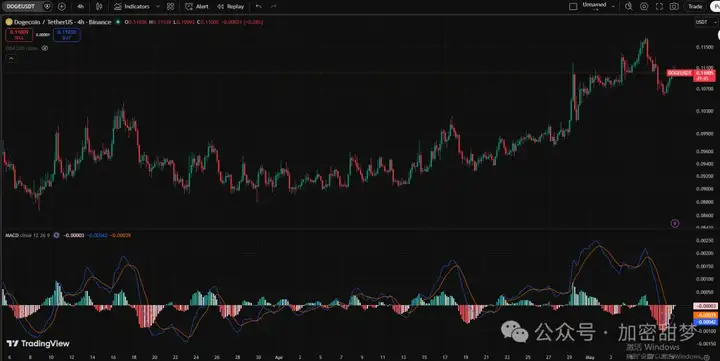
Complete Guide to Ethereum Token Development in 2026
Blockchain adoption is accelerating across industries, and Ethereum token development continues to play a major role in shaping the future of digital ecosystems. From decentralized finance and NFT platforms to gaming applications and enterprise automation, Ethereum-based tokens are helping businesses create scalable, transparent, and secure blockchain solutions.
In 2026, companies are no longer exploring blockchain as an experimental technology. Instead, they are using Ethereum tokens to improve digital transactions, automate processes, build decentralized applications, and create stronger user engagement models. With a mature infrastructure, advanced smart contract functionality, and strong ecosystem support, Ethereum remains one of the most trusted platforms for token creation.
This guide explains how Ethereum token development works, why businesses choose Ethereum, the different token standards available, development processes, security considerations, and future industry trends.
What Is Ethereum Token Development?
Ethereum token development is the process of creating blockchain-based digital assets on the Ethereum network using smart contracts. These tokens can represent utility functions, digital ownership, governance rights, rewards, financial assets, or access permissions within decentralized platforms.
Unlike traditional digital payment systems, Ethereum tokens operate through decentralized smart contracts that automate transactions securely and transparently.
Ethereum tokens are widely used in:
- Decentralized finance (DeFi)
- NFT marketplaces
- Crypto exchanges
- Blockchain gaming
- DAO governance platforms
- Metaverse ecosystems
- Loyalty and rewards systems
Because of Ethereum’s flexibility, developers can create customized token ecosystems tailored to different business models and industries.
Why Ethereum Remains a Leading Blockchain Platform
Ethereum continues to dominate the blockchain industry because of its developer ecosystem, smart contract capabilities, and broad adoption across Web3 applications.
Advanced Smart Contract Functionality
Ethereum introduced programmable smart contracts that automatically execute predefined actions without requiring intermediaries. This creates more secure and efficient digital systems.
Strong Ecosystem Support
Ethereum has one of the largest blockchain communities in the world. Developers have access to open-source frameworks, documentation, APIs, and blockchain development tools.
High Compatibility
Most decentralized wallets, exchanges, NFT marketplaces, and Web3 applications support Ethereum-based tokens, making integration simpler for businesses.
Enterprise-Level Flexibility
Ethereum allows businesses to create highly customizable token structures with features such as staking, governance, minting, burning, and automated rewards.
Understanding Ethereum Token Standards
Ethereum supports multiple token standards designed for different use cases. Choosing the correct standard is an important part of the development process.
ERC-20 Token Standard
The ERC-20 token standard is widely used for fungible digital assets. These tokens are interchangeable and commonly used in DeFi platforms, utility ecosystems, and crypto payment systems.
ERC-20 tokens support:
- Secure token transfers
- Wallet integration
- Exchange compatibility
- Liquidity management
- Smart contract automation
Many startups use ERC-20 tokens to build scalable blockchain ecosystems.
ERC-721 Token Standard
ERC-721 powers non-fungible tokens (NFTs). Each token is unique and cannot be replaced with another identical asset.
ERC-721 is commonly used for:
- NFT collections
- Digital art ownership
- Gaming assets
- Virtual land
- Collectibles
This standard plays a major role in creator economies and metaverse applications.
ERC-1155 Token Standard
ERC-1155 combines fungible and non-fungible assets within a single smart contract. It improves transaction efficiency while reducing blockchain costs.
This standard is ideal for:
- Blockchain gaming
- Multi-asset ecosystems
- NFT marketplaces
- Digital inventory systems
Key Features of Modern Ethereum Tokens
Businesses developing Ethereum-based tokens often include advanced blockchain functionalities to improve usability and scalability.
Smart Contract Automation
Smart contracts automate token transfers, staking rewards, governance voting, and distribution mechanisms.
Minting and Burning Functions
Projects can control token supply through minting and burning mechanisms that support tokenomics strategies.
Governance Systems
Governance tokens allow community members to participate in ecosystem decisions through decentralized voting systems.
Staking Integration
Staking features encourage long-term participation by rewarding users for holding or locking tokens.
Wallet Compatibility
Ethereum tokens can integrate with major wallets such as MetaMask, Trust Wallet, and hardware wallets for secure asset management.
Ethereum Token Development Process
Creating a secure and scalable Ethereum token requires a structured development approach.
Define the Business Use Case
The first step is understanding the token’s purpose within the ecosystem. Businesses should identify whether the token will function as:
- A utility token
- Governance asset
- NFT token
- Stablecoin
- Reward mechanism
A clear use case helps define technical requirements and tokenomics models.
Select the Appropriate Token Standard
Developers choose the Ethereum token standard based on project goals.
- ERC-20 for fungible assets
- ERC-721 for NFTs
- ERC-1155 for hybrid ecosystems
Choosing the right standard improves scalability and platform compatibility.
Smart Contract Development
Developers create smart contracts using Solidity programming language. These contracts define how the token behaves within the blockchain ecosystem.
Core functionalities include:
- Token transfers
- Supply management
- Governance logic
- Reward distribution
- Staking functions
Proper smart contract architecture is essential for long-term security and performance.
Smart Contract Testing and Audit
Testing helps identify vulnerabilities before deployment. Security audits are important because even small coding errors can create major financial risks.
Common vulnerabilities include:
- Reentrancy attacks
- Unauthorized access
- Integer overflow
- Logic manipulation
Professional audits improve platform reliability and user trust.
Blockchain Deployment
Once testing is complete, the token smart contract is deployed on the Ethereum mainnet.
After deployment, businesses can integrate their tokens into:
- Crypto wallets
- Decentralized exchanges
- Staking platforms
- NFT marketplaces
- Web3 applications
Benefits of Ethereum Token Development for Businesses
Ethereum token ecosystems provide several advantages for startups and enterprises.
Improved Transparency
Blockchain transactions are publicly verifiable and immutable, increasing operational transparency.
Enhanced Security
Ethereum’s decentralized infrastructure reduces the risks associated with centralized systems.
Global Accessibility
Ethereum tokens enable borderless digital transactions without relying on traditional banking systems.
Faster Digital Transactions
Smart contracts automate processes and reduce delays in financial operations.
Scalable Ecosystem Growth
Businesses can expand token functionality through staking, governance, NFTs, and DeFi integrations.
Ethereum Layer 2 Scaling Solutions
Scalability remains important as blockchain adoption increases. Ethereum Layer 2 technologies improve transaction speed while lowering gas fees.
Popular Layer 2 ecosystems include:
- Polygon
- Arbitrum
- Optimism
- zk-Rollups
- Base
These solutions help developers create faster and more cost-efficient blockchain applications.
Ethereum Tokens in DeFi and Web3
Decentralized finance continues to expand rapidly, and Ethereum remains the dominant ecosystem for DeFi innovation.
Ethereum tokens support:
- Lending protocols
- Yield farming
- Liquidity pools
- Decentralized exchanges
- DAO governance systems
Web3 businesses use Ethereum tokens to build decentralized digital economies with greater user ownership and participation.
Security Considerations in Ethereum Token Development
Security is one of the most important aspects of blockchain infrastructure.
Smart Contract Security
Poorly written smart contracts can expose projects to exploits and financial losses.
Best practices include:
- Code audits
- Multi-signature wallets
- Access control mechanisms
- Secure private key management
- Continuous monitoring
Compliance and Regulatory Awareness
Businesses launching blockchain projects should consider compliance requirements related to AML and KYC policies depending on their jurisdiction.
Responsible blockchain development improves long-term sustainability and investor confidence.
Future Trends in Ethereum Token Development
The Ethereum ecosystem continues to evolve with new technologies and market demands.
AI-Integrated Smart Contracts
Artificial intelligence is improving automation, predictive analytics, and blockchain efficiency.
Real-World Asset Tokenization
Businesses are increasingly tokenizing physical assets such as real estate, commodities, and intellectual property.
DAO-Based Governance Models
Decentralized governance systems are becoming more common across Web3 platforms.
Cross-Chain Interoperability
Blockchain interoperability is improving communication between Ethereum and other networks.
Sustainable Blockchain Infrastructure
Energy-efficient blockchain operations continue to shape the future of Ethereum development.
Choosing the Right Ethereum Token Development Partner
Selecting an experienced blockchain development company can significantly impact project quality and security.
Look for teams with expertise in:
- Smart contract development
- Solidity programming
- Web3 integrations
- Blockchain security audits
- Layer 2 scaling solutions
- DeFi and NFT ecosystems
A well-structured development approach helps businesses launch scalable and secure token ecosystems with greater confidence.
Conclusion
Ethereum token development continues to drive innovation across decentralized finance, NFT ecosystems, gaming platforms, enterprise blockchain solutions, and Web3 applications in 2026. With flexible smart contracts, strong ecosystem support, advanced scalability solutions, and growing global adoption, Ethereum remains one of the most reliable blockchain platforms for digital asset creation.
Businesses that invest in secure, scalable, and utility-focused Ethereum token ecosystems are better positioned to adapt to the evolving digital economy. Whether the goal is building a DeFi platform, launching NFTs, creating governance systems, or developing a blockchain-powered application, Ethereum provides the infrastructure needed for long-term growth and innovation.
As blockchain technology becomes increasingly integrated into mainstream industries, Ethereum token development will continue to shape the future of decentralized digital experiences.


您可能也会喜欢
狗狗币跌到关键位,多头被清洗!圆弧底还在,DOGE后市怎么看?

TechFlow 情报局:标普纳指周线 6 连阳,Aptos 基金会投入 5000 万美元押注 AI Agent