

Security researchers have uncovered SparkKitty, a new mobile malware strain that specifically targets cryptocurrency users by scanning photo libraries for wallet recovery phrases (seed phrases), QR coSecurity researchers have uncovered SparkKitty, a new mobile malware strain that specifically targets cryptocurrency users by scanning photo libraries for wallet recovery phrases (seed phrases), QR co
SparkKitty: New Malware Steals Seed Phrases from Photo Libraries, A Wake-Up Call for Every Crypto User

Security researchers have uncovered SparkKitty, a new mobile malware strain that specifically targets cryptocurrency users by scanning photo libraries for wallet recovery phrases (seed phrases), QR codes, and other sensitive information. Notably, SparkKitty was previously found embedded in applications distributed through both the Google Play Store and Apple App Store before being detected and removed.
Unlike attacks that exploit blockchain protocols or cryptocurrency wallets directly, SparkKitty takes advantage of a common user habit: storing or photographing seed phrases on mobile devices. The incident highlights an important reality in crypto security—the weakest link is often not the blockchain itself, but how users protect their own digital assets.
Key Takeaways
SparkKitty is Android and iOS malware designed to steal sensitive information from photo libraries.
Its primary targets include wallet seed phrases, QR codes, and other crypto-related data.
The malware was previously discovered in apps distributed through both Google Play Store and Apple App Store.
Storing seed phrases as photos significantly increases the risk of losing all crypto assets.
Users should keep seed phrases offline and regularly review which apps have access to their photo libraries.
How Does SparkKitty Work?
Unlike traditional malware that focuses on stealing passwords or banking credentials, SparkKitty is specifically engineered to search for cryptocurrency wallet information.
Once a user grants an app permission to access their photo library, the malware collects images and uploads them to an attacker-controlled server. There, Optical Character Recognition (OCR) technology analyzes the images to identify 12- or 24-word wallet recovery phrases, QR codes, or any other information that could provide access to digital assets.
Perhaps the most concerning aspect is that this entire process can occur silently. Users may continue using the infected application normally without realizing that their personal photos are being collected and analyzed.
Why Are Seed Phrases the Ultimate Target?
In blockchain systems, a seed phrase is the master key to a cryptocurrency wallet.
Anyone who possesses the correct recovery phrase can restore the wallet on another device and gain complete control over its assets. This means attackers do not need to know the wallet password or bypass the device's security features. With the seed phrase alone, they can transfer all funds to another wallet, and blockchain transactions are generally irreversible.
For this reason, seed phrases are among the most valuable targets for cybercriminals. Saving them as photos effectively turns a phone's photo library into a vault containing the "master key" to a user's assets—waiting only for a malicious app to gain access.
Why Is SparkKitty Particularly Dangerous?
SparkKitty is dangerous not because it exploits a new blockchain vulnerability, but because it takes advantage of extremely common user behavior.
Many people photograph their seed phrases for convenience or back them up to cloud storage without realizing how much this increases the risk of theft. Installing a fake application—or simply granting photo library access to a malicious app—can expose highly sensitive information.
Even more concerning, SparkKitty managed to appear in applications distributed through both Google Play Store and Apple App Store. This demonstrates that even official app marketplaces cannot completely eliminate malicious software.
Blockchain Is Secure—Users May Not Be
An important distinction is that SparkKitty does not attack Bitcoin, Ethereum, or any other blockchain.
The underlying blockchain networks remain secure, and no protocol vulnerabilities were exploited in this incident.
Instead, attackers chose a simpler and often more effective strategy: targeting end users directly.
This reflects a growing trend in cybersecurity. Rather than attempting to break highly secure cryptographic algorithms, attackers increasingly steal credentials directly from users' devices through malware, phishing attacks, and social engineering.
This also explains why most cryptocurrency thefts in recent years have resulted not from blockchain hacks, but from compromised private keys or leaked seed phrases.
How Can Users Protect Their Assets?
SparkKitty serves as a reminder that security depends not only on wallets or blockchains, but also on how users manage their devices.
Some essential security practices include:
Never photograph or digitally store your seed phrase unless absolutely necessary.
Write the seed phrase on paper or engrave it on metal, and store it securely offline.
Permanently delete any photos containing seed phrases, including those in the "Recently Deleted" folder.
Regularly review photo library permissions and grant access only to applications that genuinely require it.
Download apps only from trusted sources and carefully review the permissions they request.
While these measures cannot eliminate every risk, they can significantly reduce the likelihood of becoming a victim of similar malware campaigns.
The Threat Landscape Is Changing
SparkKitty reflects a broader shift in cybersecurity.
As blockchain technology becomes more mature and increasingly difficult to attack directly, cybercriminals are shifting their focus to endpoints—including smartphones, computers, and cloud storage services—where users store sensitive information.
This means securing digital assets is no longer solely the responsibility of blockchain protocols or wallet developers. Individual users also play a critical role by properly managing sensitive data and controlling application permissions.
Looking ahead, malware powered by artificial intelligence and advanced image recognition technologies may become even more sophisticated, making the protection of seed phrases and private keys more important than ever.
Impact on the Crypto Industry
SparkKitty does not undermine blockchain technology itself, but it could negatively affect the confidence of new users who may not fully understand the difference between a compromised blockchain and a compromised personal device.
The incident may also encourage:
Wallet developers to add stronger warnings against storing seed phrases as photos.
Mobile operating systems to tighten app permissions for accessing photo libraries.
Crypto users to become more aware of cybersecurity best practices when managing digital assets.
Over the long term, endpoint security will become an increasingly essential component of the cryptocurrency ecosystem.
Conclusion
SparkKitty demonstrates that the greatest threat to digital assets does not always come from attacks on blockchain networks—it often comes from seemingly harmless user habits. A single photo containing a seed phrase stored on a smartphone can become the key that allows attackers to steal an entire crypto portfolio if the device becomes infected with malware.
As cyberattacks continue shifting from blockchain infrastructure to personal devices, protecting seed phrases and carefully managing app permissions should be a top priority for everyone participating in the cryptocurrency ecosystem.
FAQ
What is SparkKitty?
SparkKitty is mobile malware for Android and iOS designed to steal sensitive information from users' photo libraries, particularly cryptocurrency wallet seed phrases.
Does SparkKitty hack blockchain networks?
No. SparkKitty does not attack blockchain protocols. Instead, it targets users' devices to steal sensitive information.
Why is storing a seed phrase as a photo dangerous?
If a malicious application gains access to your photo library, it can retrieve the seed phrase and use it to restore your wallet on another device, giving attackers full control over your assets.
What is the safest way to store a seed phrase?
The safest practice is to write your seed phrase on paper or engrave it on metal and store it securely offline. Avoid taking photos of it or storing it in any digital format.
Disclaimer: The information provided here is for informational purposes only and should not be considered financial, investment, legal, or professional advice. Always conduct your own research, consider your financial situation, and, if necessary, consult with a licensed professional before making any decisions.
市場機遇
Notcoin實時價格 (NOT)
--
----
USD
Notcoin (NOT) 實時價格圖表
本頁面分享的文章均源自公開平台,僅供參考。該內容不代表 MEXC 的立場或觀點。所有版權歸 Nguyen Rin Hoang 所有。如果您認為任何內容侵犯了第三方的權益,請聯絡 service@support.mexc.com 以便及時刪除。 MEXC 不保證任何內容的準確性、完整性或及時性,且不對基於所提供信息而採取的任何行動負責。本內容不構成財務、法律或其他專業建議,亦不應被解釋為 MEXC 的推薦或認可。如需專家見解和深入分析,請造訪 MEXC 學院。
Notcoin 最新動態
查看更多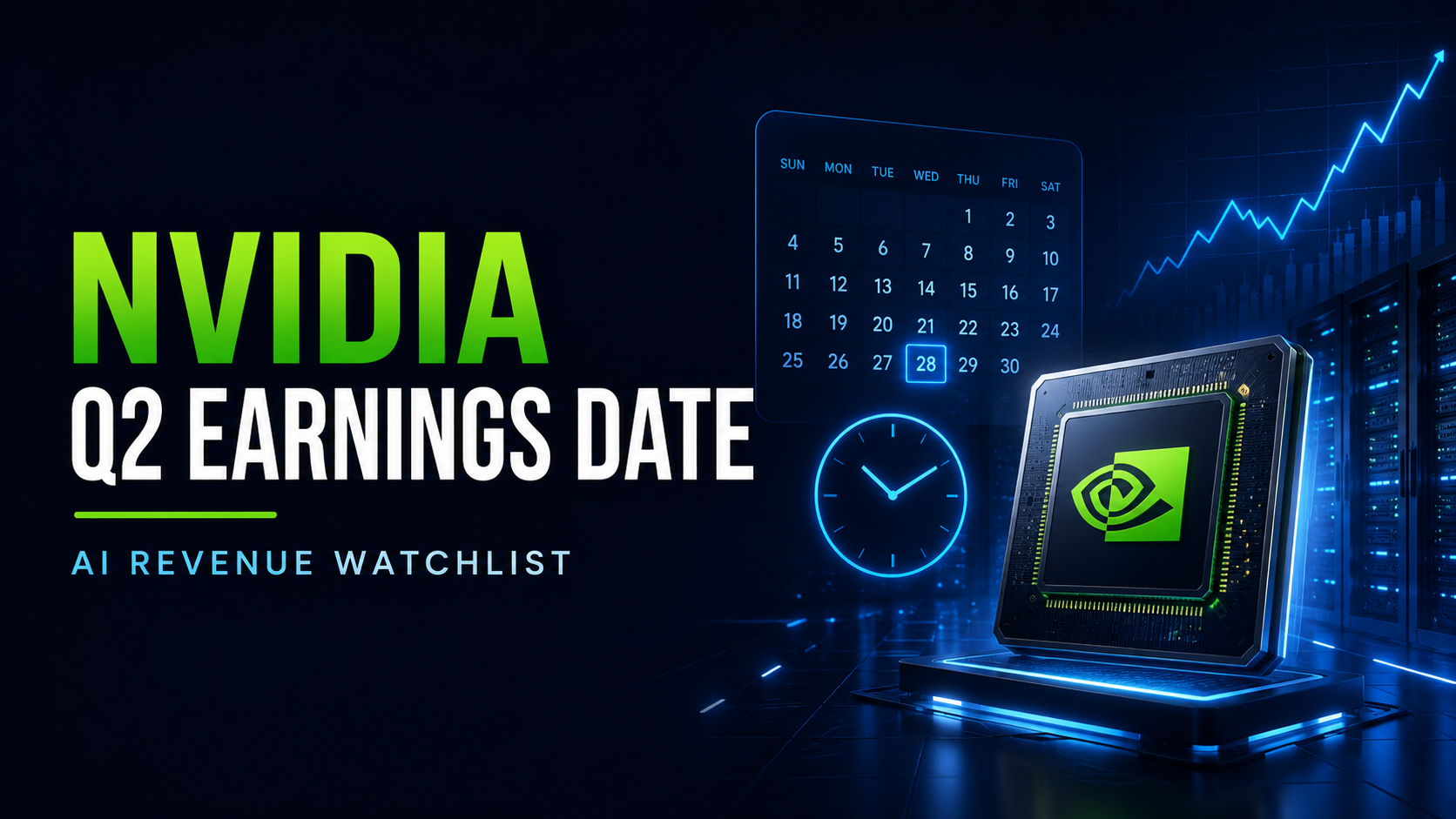
輝達2027財年第二季財報發布日期:預期發布時間、財報電話會議及AI營收觀察名單
Nvidia 2027 財年第 2 季財報預計將成為夏季最重要的 AI 市場事件之一。Wall Street Horizon 顯示,Nvidia 2027 財年第 2 季的下次財報發布日期為 2026 年 8 月 26 日星期三,於市場收盤後公布。
這絕非一次普通的財報發布。Nvidia 自身對 2027 財年第 1 季的展望設下了極高的標準:該公司預估第 2 季營收將達 910 億美元,誤差範圍為正負 2%,且 Non-GAAP 毛利率預計約為 75.0%。Nvidia 亦明確指出,其展望假設不計入來自中國的資料中心運算營收,這使得即將發布的財報能更純粹地檢驗中國以外的 AI 基礎設施需求。
對交易員而言,關鍵問題已不再只是 Nvidia 能否超越市場預期。更重要的問題在於,該公司能否持續將 AI 需求轉化為營收成長與利潤韌性,並提出足夠強勁的前瞻指引,以捍衛市場對 AI 基礎設施的溢價估值。
2026/07/06
蘋果2026財年第三季財報日期:發布時間、服務營收與iPhone關注清單
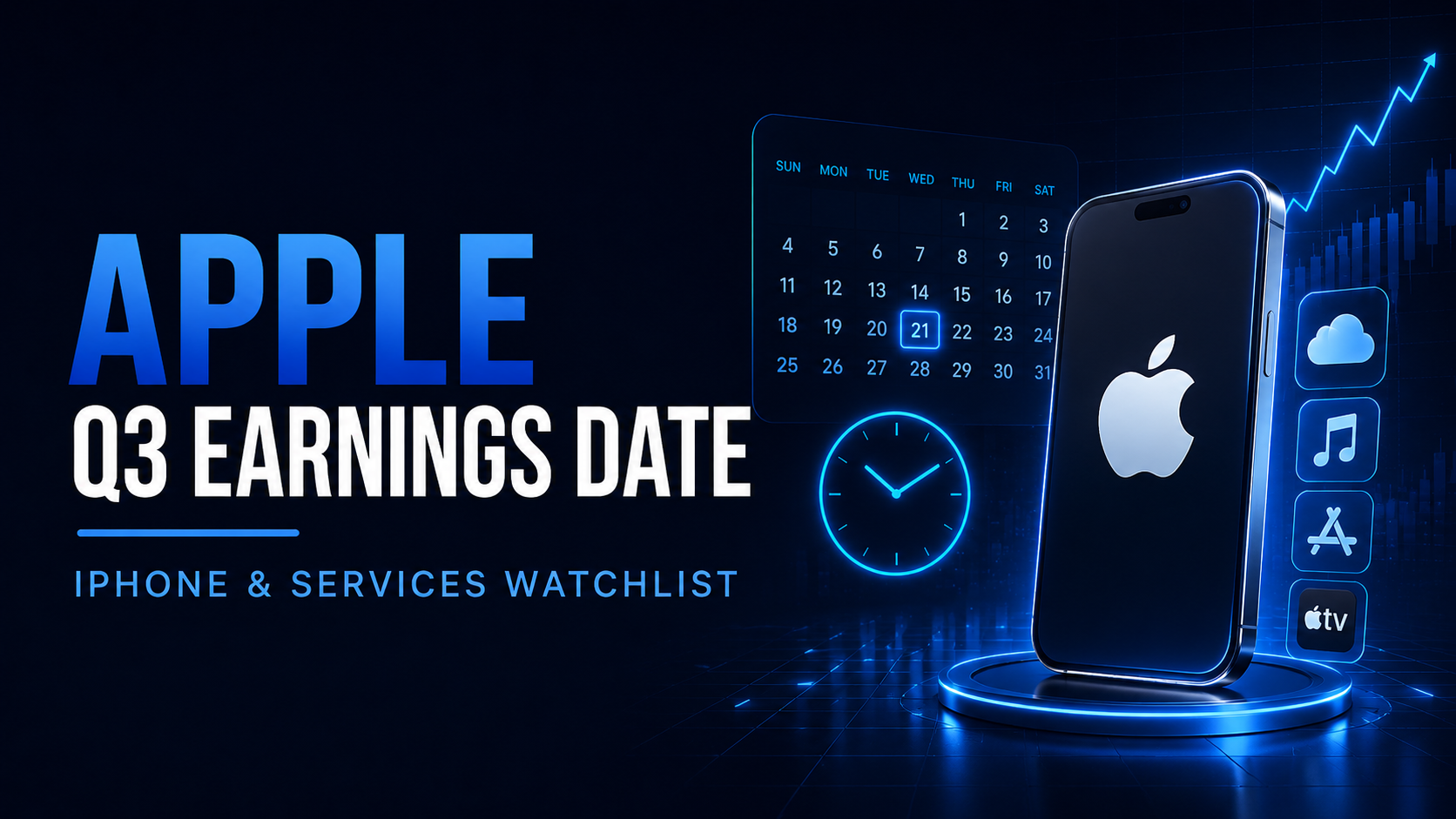
蘋果2026財年第三季度的財報將成為一項關鍵考驗,決定市場應繼續將蘋果視為穩定的現金創造複利增長股,還是開始質疑其iPhone週期和服務業務的增長是否足以支撐該股的溢價。蘋果官方投資者頁面顯示,公司2026年第三季度財報電話會議定於2026年7月31日 05:00(UTC +8)舉行。Wall Street Horizon 也將蘋果下一次財報日期確認為2026年7月30日美股盤後,針對2026財年第三季度。這不僅僅是一個常規的財報發布日。蘋果最新一季設定了高基數:在2026財年第二季度,蘋果報告營收達1,112億美元,較去年同期增加了17%,創下3月季度公司總營收、iPhone營收和每股盈餘(EPS)的歷史新高。服務業務營收也創下歷史新高。對交易者而言,關鍵問題不僅僅是蘋果能否超越市場共識。更大的問題在於,服務業務的增長能否繼續維持蘋果的利潤率表現,同時iPhone需求證明硬體換機週期尚未失去動能。
2026/07/06

Mastercard 完成對 BVNK 的收購,金額高達 18 億美元——穩定幣進入全球支付核心
Mastercard 於三月宣布該交易後,已於 2026 年 8 月 3 日(UTC +8)完成對穩定幣基礎設施供應商 BVNK 的收購。
2026/08/04


熱門
目前熱門備受市場關注的加密貨幣
加密貨幣價格
按交易量計算交易量最大的加密貨幣