

PAC moots shift to smaller annual insurance premium hikes
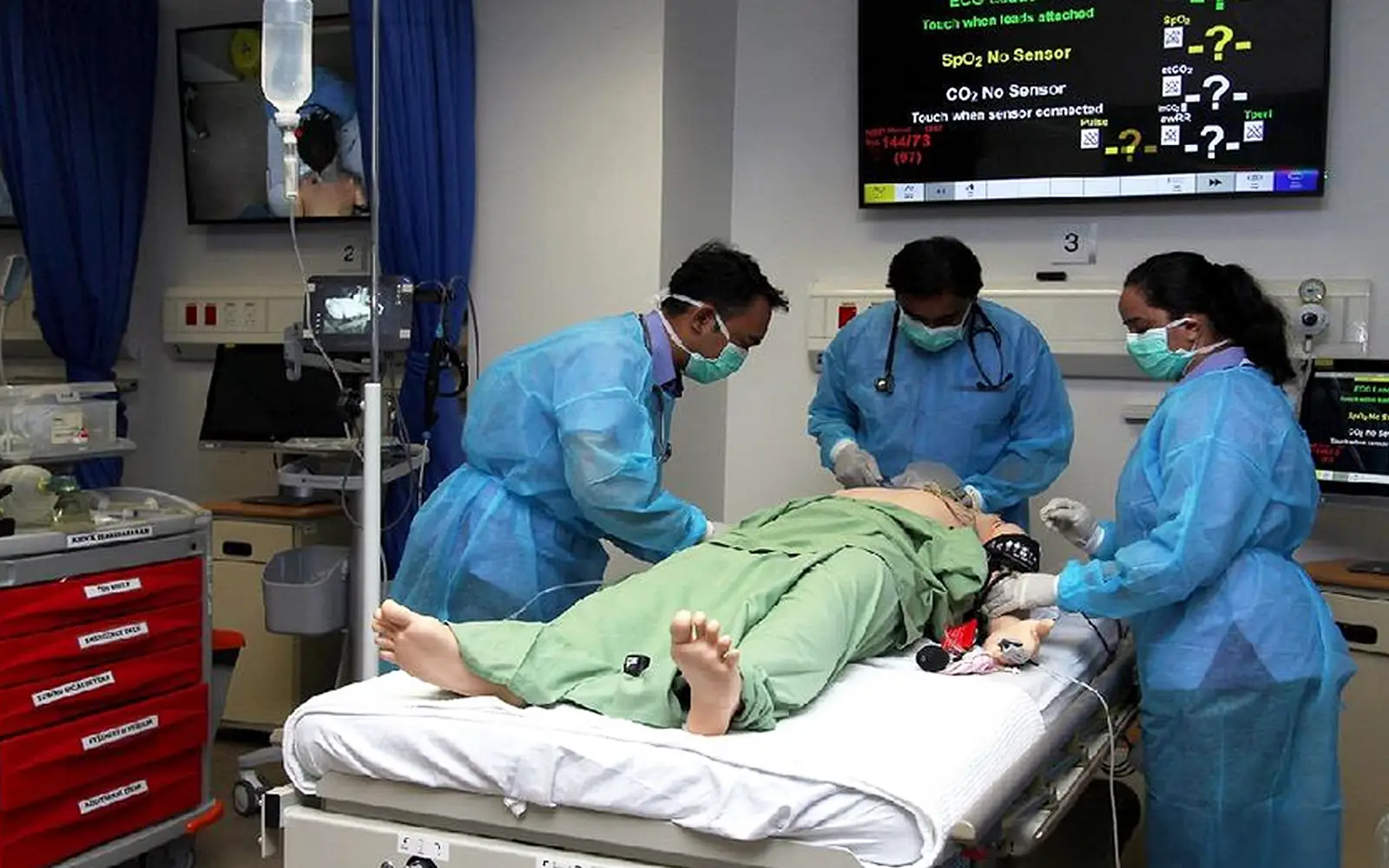 A report released by PAC today found that patients using guarantee letters may be billed at higher rates than those paying cash or under pay-and-claim arrangements. (Bernama pic)
PETALING JAYA: The Public Accounts Committee (PAC) has urged the insurance industry to move towards smaller annual premium adjustments instead of large periodic increases to shield policyholders from sudden financial shocks.
In a report tabled today on rising health insurance premiums, private hospital charges, and their impact on public healthcare, PAC said cyclical repricing practices had led to premium increases of between 40% and 70%.
The committee recommended that Bank Negara Malaysia (BNM) ensure insurers and takaful operators adopt a more gradual approach through incremental annual repricing to avoid steep hikes that burden policyholders.
PAC also recommended that the health ministry expedite the implementation of the Diagnosis-Related Group payment system in the private sector, amend the Private Healthcare Facilities and Services Act 1998 to regulate private hospital charges beyond doctors’ fees, and work with the domestic trade and cost of living ministry to establish price control mechanisms for medicines and medical equipment.
The committee conducted public hearings in Penang and Kuala Lumpur in February 2025. It held 19 proceedings between Feb 24 and Aug 14, 2025, heard testimony from 21 witnesses, and spent four days finalising the report.
PAC said its inquiry was prompted by widespread public concern over rising healthcare costs and Malaysians’ ability to maintain insurance coverage.
It warned that rising insurance premiums were causing more Malaysians to forgo private coverage and seek treatment at government hospitals, increasing congestion, lengthening waiting times, and placing greater fiscal and operational pressure on the public healthcare system.
PAC said the main driver of medical inflation was not doctors’ fees, which have been regulated since 2013, but rising non-professional hospital charges, including medicines, laboratory tests, equipment, and advanced technologies.
The commitee said private hospital billing structures often lack transparency, with medicines and medical supplies sometimes marked up by as much as 300% to subsidise other operating expenses.
“Non-profit hospitals such as Hospital Tung Shin (in Kuala Lumpur) demonstrate that quality healthcare can be delivered at cost without a profit motive,” it said.
PAC also found that patients using guarantee letters might be billed at higher rates than those paying cash or under pay-and-claim arrangements.
It said investment-linked policies shifted rising insurance costs to consumers, while the private insurance system remained vulnerable to risk selection that excludes high-risk groups.
It said some insurers maintained “closed pools” in which older policyholders bear rising claims costs, leading to sharp premium increases.
The committee also noted instances of “unbundling”, where fees for basic items such as pillowcases, alcohol swabs, and clinical waste disposal are charged separately.
The government plans to introduce a base medical and health insurance and takaful plan to provide Malaysians with affordable and sustainable protection against major healthcare expenses.
The plan’s 2027 launch coincides with the expiry of BNM’s interim measures on medical insurance repricing, under which the central bank imposed a 10% cap on premium increases for most policyholders over a three-year period.


You May Also Like

US Congressional Proposal Puts South Africa’s Geopolitical Risk in Focus
Bitcoin Price Analysis Shows Scaramucci Calling a Q4 Rally While Pepeto Could Be the Next Dogecoin

World Cup 2026: Over 336 fake websites emerge as scammers target football fans



