Despite high hopes, RTFKT failed to achieve the expected success. The last MNLTH X Blade Drop series became the last dance to bid farewell to the crypto world.Despite high hopes, RTFKT failed to achieve the expected success. The last MNLTH X Blade Drop series became the last dance to bid farewell to the crypto world.

From acquisition to abandonment, why did Nike's Web3 brand RTFKT close?
2025/01/19 09:00
7 min read

From acquisition to abandonment, why did Nike's Web3 brand RTFKT close?

Author: Zen, PANews

In the past few years, the exploration of digital fashion and Web3 has attracted a lot of capital and creativity, and one of the most representative projects is RTFKT. As a team that breaks through tradition, RTFKT has made waves at the intersection of blockchain and fashion with its unique digital creativity and NFT projects, attracting the attention of Nike and achieving a merger and acquisition in 2021. However, despite high hopes for RTFKT, its role in Nike's strategic transformation has never achieved the expected success.

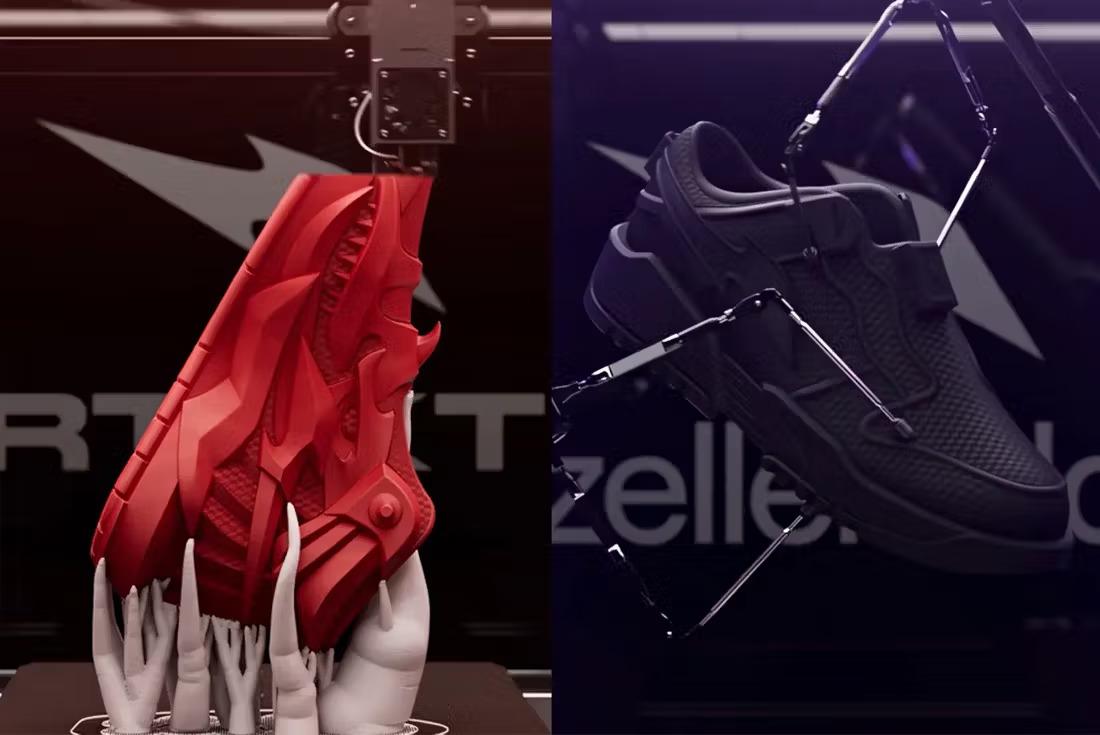
The MNLTH X Blade Drop, launched in collaboration with 3D printed shoe manufacturer Zellerfeld, was the last dance for digital fashion and Web3 platform RTFKT, which also became a failed attempt at creative transformation for Nike.

From acquisition to abandonment, why did Nike's Web3 brand RTFKT close?

RTFKT: An unexpected ending

The MNLTH x Blade Drop series was released on Zellerfeld's website on January 16, and includes six sneakers: RTFKT Dunk, CodeX Dunk, Bladed Dragon, Undead Evo, Reptile Evo and Cybr Stomper. In this release, RTFKT also showed its sincerity. The new series abandoned traditional Nike shoe styles such as Air Force 1 and adopted more low-key shoe styles such as Undead Evo. The midsole of this shoe is similar to the jaw and molars of reptiles, which is creative and full of personality.
From acquisition to abandonment, why did Nike's Web3 brand RTFKT close?

With the official launch of the MNLTH X project, RTFKT's crypto journey has also reached its end. However, facing RTFKT's final farewell, most people in the community obviously do not buy it. One user said: "The shoes are so cool, but I don't understand how it feels to spend more money on a pair of shoes from a company that no longer exists in addition to the money spent on NFTs and physical objects." Many users also bluntly said that RTFKT was a Rug behavior, and urged the project party to quickly close the account and forget about it from then on.

In early December 2024, RTFKT published an announcement on X (formerly Twitter) that it would cease operations, and its Polygon-based virtual creation platform .Swoosh would continue to exist in the Web3 field. "RTFKT is not over, it is becoming what it should be - a relic of the cultural revolution." RTFKT said in a statement. Amidst the surprise, several users also expressed their hope to take over its flagship NFT series Clone X to replicate the story of Luca Netz's acquisition of Pudgy Penguins and turning it into the top NFT project.

Clone X is an Ethereum-based PFP type project, launched in 2021 by RTFKT in collaboration with Japanese contemporary artist Takashi Murakami. In fact, Clone X itself is also one of the most famous and successful PFP projects in the NFT field, generating over $800 million worth of transactions to date. In the downturn of the NFT market, the series has also continued to slide from the historical highest reserve price of $63,000 in 2022 to the current 0.24 ETH, worth less than $1,000. In addition to the sluggish performance of the market itself, RTFKT was eliminated from Nike's series of brands and businesses, which may also be related to the strategic adjustment of this leading sports brand, which starts with the acquisition.

Why did sports giant Nike acquire RTFKT?

In December 2021, Nike acquired RTFKT for an undisclosed amount. John Donahoe, then Nike CEO and president, said it was a step to accelerate "Nike's digital transformation, enabling us to serve athletes and creators at the intersection of sports, creativity, games and culture." Donahoe also said that Nike's plan is to invest in the RTFKT brand, serve and develop its innovative and creative community, and expand Nike's digital footprint and capabilities. "

The strategic layout of acquiring RTFKT and entering the new digital field of NFT may have its origins in 2017. In that year, Nike announced its "consumer direct attack" strategy, which included enhancing the company's digital influence and establishing more "one-to-one connections" with consumers.

From acquisition to abandonment, why did Nike's Web3 brand RTFKT close?

In 2020, when announcing Donahoe's appointment, Nike's then-CEO Mark Parker said Donahoe was "very suitable" to achieve these goals. Judging from his resume, Donahoe is indeed the best candidate - he served as the market president of e-commerce platform eBay as early as 2005 and was responsible for its core business; he served as eBay's CEO from 2008 to 2015.

When Donahoe joined Nike, the sports giant was actively expanding its DTC (Direct-to-Consumer) business, and the digital business provided Nike with the ability to directly reach and serve consumers. Digital channels not only eliminated the middle link of traditional wholesale, but also facilitated the collection of data such as consumer preferences and habits, and also enhanced the interactive experience between consumers and brands. This led Nike to increase its investment in digital business, and the acquisition of RTFKT was also completed in this context.

The story behind: Nike's continued downturn and "change of dynasty"

In the past few years, Nike's transformation to DTC has not been successful, and Nike, led by Donahoe, has also repeated its inclination and dependence on traditional wholesale business and DTC business. In 2021, Nike began to cut wholesale partners to focus more on the DTC business. However, cutting too quickly led to excessive inventory and had to make big discounts. After finding that the step was too big, Nike began to include wholesale partners such as DSW back into its business scope in 2023. As part of the transformation to DTC, and also in order to cut costs amid declining sales, Nike has also carried out multiple rounds of layoffs in the past two years, and many "senior employees" have also been affected.

In March 2024, Nike announced that its digital business had declined for the first time in nine years, and Nike's market value has shrunk by nearly half in the past three years. Due to poor performance, John Donahoe chose to leave in October 2024, and Nike invited back Elliott Hill, a senior employee of the company, as his successor. Hill has worked at Nike for more than 30 years, working his way up from an apparel sales intern to president of consumer markets. Shortly after Donahoe became the head of Nike, Hill chose to leave.

From acquisition to abandonment, why did Nike's Web3 brand RTFKT close?

John Donahoe (left) and Elliot Hill (right)

Elliot Hill changed the company's business focus after taking office. He promised that the company would shift its focus and resources to make "sports the North Star of Nike again." Hill said that Nike had "lost its obsession with sports" and vowed to get the company back on track. In addition, he also hopes to work hard to strengthen the already weak wholesale business and reverse some strategic mistakes under the leadership of the previous CEO, such as the deterioration of relations with retailers such as Foot Locker.

RTFKT, which is an old legacy of the Donahoe era, is completely insignificant compared to Hill's core business, regardless of its importance or business scale. In Nike's official press release announcing Donahoe's resignation as president and CEO, the RTFKT logo was not included in its brand lineup. It is only a matter of time for Nike to withdraw from the NFT field.

It is worth mentioning that Nick O'Neill, co-founder of the NFT project BoDoggos, who seemed to have known the "inside story", tweeted in March 2024 that RTFKT would be shut down at the end of the year. The unbelievable community immediately criticized him, and RTFKT co-founder @Zaptio personally mocked him: "It seems that I also missed the memo of closure", and said that Nick was talking nonsense.

In the end, time will test everything.

Market Opportunity
CreatorBid Logo
CreatorBid Price(BID)
$0.01023
$0.01023$0.01023
-3.58%
USD
CreatorBid (BID) Live Price Chart
Disclaimer: The articles reposted on this site are sourced from public platforms and are provided for informational purposes only. They do not necessarily reflect the views of MEXC. All rights remain with the original authors. If you believe any content infringes on third-party rights, please contact service@support.mexc.com for removal. MEXC makes no guarantees regarding the accuracy, completeness, or timeliness of the content and is not responsible for any actions taken based on the information provided. The content does not constitute financial, legal, or other professional advice, nor should it be considered a recommendation or endorsement by MEXC.

You May Also Like

Botanix launches stBTC to deliver Bitcoin-native yield

Botanix launches stBTC to deliver Bitcoin-native yield

The post Botanix launches stBTC to deliver Bitcoin-native yield appeared on BitcoinEthereumNews.com. Botanix Labs has launched stBTC, a liquid staking token designed to turn Bitcoin into a yield-bearing asset by redistributing network gas fees directly to users. The protocol will begin yield accrual later this week, with its Genesis Vault scheduled to open on Sept. 25, capped at 50 BTC. The initiative marks one of the first attempts to generate Bitcoin-native yield without relying on inflationary token models or centralized custodians. stBTC works by allowing users to deposit Bitcoin into Botanix’s permissionless smart contract, receiving stBTC tokens that represent their share of the staking vault. As transactions occur, 50% of Botanix network gas fees, paid in BTC, flow back to stBTC holders. Over time, the value of stBTC increases relative to BTC, enabling users to redeem their original deposit plus yield. Botanix estimates early returns could reach 20–50% annually before stabilizing around 6–8%, a level similar to Ethereum staking but fully denominated in Bitcoin. Botanix says that security audits have been completed by Spearbit and Sigma Prime, and the protocol is built on the EIP-4626 vault standard, which also underpins Ethereum-based staking products. The company’s Spiderchain architecture, operated by 16 independent entities including Galaxy, Alchemy, and Fireblocks, secures the network. If adoption grows, Botanix argues the system could make Bitcoin a productive, composable asset for decentralized finance, while reinforcing network consensus. This is a developing story. This article was generated with the assistance of AI and reviewed by editor Jeffrey Albus before publication. Get the news in your inbox. Explore Blockworks newsletters: Source: https://blockworks.co/news/botanix-launches-stbtc
Share
BitcoinEthereumNews2025/09/18 02:37
Unprecedented Surge: Gold Price Hits Astounding New Record High

Unprecedented Surge: Gold Price Hits Astounding New Record High

BitcoinWorld Unprecedented Surge: Gold Price Hits Astounding New Record High While the world often buzzes with the latest movements in Bitcoin and altcoins, a traditional asset has quietly but powerfully commanded attention: gold. This week, the gold price has once again made headlines, touching an astounding new record high of $3,704 per ounce. This significant milestone reminds investors, both traditional and those deep in the crypto space, of gold’s enduring appeal as a store of value and a hedge against uncertainty. What’s Driving the Record Gold Price Surge? The recent ascent of the gold price to unprecedented levels is not a random event. Several powerful macroeconomic forces are converging, creating a perfect storm for the precious metal. Geopolitical Tensions: Escalating conflicts and global instability often drive investors towards safe-haven assets. Gold, with its long history of retaining value during crises, becomes a preferred choice. Inflation Concerns: Persistent inflation in major economies erodes the purchasing power of fiat currencies. Consequently, investors seek assets like gold that historically maintain their value against rising prices. Central Bank Policies: Many central banks globally are accumulating gold at a significant pace. This institutional demand provides a strong underlying support for the gold price. Furthermore, expectations around interest rate cuts in the future also make non-yielding assets like gold more attractive. These factors collectively paint a picture of a cautious market, where investors are looking for stability amidst a turbulent economic landscape. Understanding Gold’s Appeal in Today’s Market For centuries, gold has held a unique position in the financial world. Its latest record-breaking performance reinforces its status as a critical component of a diversified portfolio. Gold offers a tangible asset that is not subject to the same digital vulnerabilities or regulatory shifts that can impact cryptocurrencies. While digital assets offer exciting growth potential, gold provides a foundational stability that appeals to a broad spectrum of investors. Moreover, the finite supply of gold, much like Bitcoin’s capped supply, contributes to its perceived value. The current market environment, characterized by economic uncertainty and fluctuating currency values, only amplifies gold’s intrinsic benefits. It serves as a reliable hedge when other asset classes, including stocks and sometimes even crypto, face downward pressure. How Does This Record Gold Price Impact Investors? A soaring gold price naturally raises questions for investors. For those who already hold gold, this represents a significant validation of their investment strategy. For others, it might spark renewed interest in this ancient asset. Benefits for Investors: Portfolio Diversification: Gold often moves independently of other asset classes, offering crucial diversification benefits. Wealth Preservation: It acts as a robust store of value, protecting wealth against inflation and economic downturns. Liquidity: Gold markets are highly liquid, allowing for relatively easy buying and selling. Challenges and Considerations: Opportunity Cost: Investing in gold means capital is not allocated to potentially higher-growth assets like equities or certain cryptocurrencies. Volatility: While often seen as stable, gold prices can still experience significant fluctuations, as evidenced by its rapid ascent. Considering the current financial climate, understanding gold’s role can help refine your overall investment approach. Looking Ahead: The Future of the Gold Price What does the future hold for the gold price? While no one can predict market movements with absolute certainty, current trends and expert analyses offer some insights. Continued geopolitical instability and persistent inflationary pressures could sustain demand for gold. Furthermore, if global central banks continue their gold acquisition spree, this could provide a floor for prices. However, a significant easing of inflation or a de-escalation of global conflicts might reduce some of the immediate upward pressure. Investors should remain vigilant, observing global economic indicators and geopolitical developments closely. The ongoing dialogue between traditional finance and the emerging digital asset space also plays a role. As more investors become comfortable with both gold and cryptocurrencies, a nuanced understanding of how these assets complement each other will be crucial for navigating future market cycles. The recent surge in the gold price to a new record high of $3,704 per ounce underscores its enduring significance in the global financial landscape. It serves as a powerful reminder of gold’s role as a safe haven asset, a hedge against inflation, and a vital component for portfolio diversification. While digital assets continue to innovate and capture headlines, gold’s consistent performance during times of uncertainty highlights its timeless value. Whether you are a seasoned investor or new to the market, understanding the drivers behind gold’s ascent is crucial for making informed financial decisions in an ever-evolving world. Frequently Asked Questions (FAQs) Q1: What does a record-high gold price signify for the broader economy? A record-high gold price often indicates underlying economic uncertainty, inflation concerns, and geopolitical instability. Investors tend to flock to gold as a safe haven when they lose confidence in traditional currencies or other asset classes. Q2: How does gold compare to cryptocurrencies as a safe-haven asset? Both gold and some cryptocurrencies (like Bitcoin) are often considered safe havens. Gold has a centuries-long history of retaining value during crises, offering tangibility. Cryptocurrencies, while newer, offer decentralization and can be less susceptible to traditional financial system failures, but they also carry higher volatility and regulatory risks. Q3: Should I invest in gold now that its price is at a record high? Investing at a record high requires careful consideration. While the price might continue to climb due to ongoing market conditions, there’s also a risk of a correction. It’s crucial to assess your personal financial goals, risk tolerance, and consider diversifying your portfolio rather than putting all your capital into a single asset. Q4: What are the main factors that influence the gold price? The gold price is primarily influenced by global economic uncertainty, inflation rates, interest rate policies by central banks, the strength of the U.S. dollar, and geopolitical tensions. Demand from jewelers and industrial uses also play a role, but investment and central bank demand are often the biggest drivers. Q5: Is gold still a good hedge against inflation? Historically, gold has proven to be an effective hedge against inflation. When the purchasing power of fiat currencies declines, gold tends to hold its value or even increase, making it an attractive asset for preserving wealth during inflationary periods. To learn more about the latest crypto market trends, explore our article on key developments shaping Bitcoin’s price action. This post Unprecedented Surge: Gold Price Hits Astounding New Record High first appeared on BitcoinWorld.
Share
Coinstats2025/09/18 02:30
China Bans Nvidia’s RTX Pro 6000D Chip Amid AI Hardware Push

China Bans Nvidia’s RTX Pro 6000D Chip Amid AI Hardware Push

TLDR China instructs major firms to cancel orders for Nvidia’s RTX Pro 6000D chip. Nvidia shares drop 1.5% after China’s ban on key AI hardware. China accelerates development of domestic AI chips, reducing U.S. tech reliance. Crypto and AI sectors may seek alternatives due to limited Nvidia access in China. China has taken a bold [...] The post China Bans Nvidia’s RTX Pro 6000D Chip Amid AI Hardware Push appeared first on CoinCentral.
Share
Coincentral2025/09/18 01:09