Airdrop

An Airdrop is a distribution of free tokens to a community, typically used as a marketing tool or a reward for early protocol adopters and testers. In 2026, the "points-to-airdrop" model has matured into merit-based incentive programs that utilize Sybil-resistance and Proof-of-Humanity to filter out bots. Airdrops remain a primary method for decentralized governance (DAO) bootstrapping. Follow this tag for the latest on retroactive rewards, eligibility criteria, and how to participate in the most anticipated token distributions in the ecosystem.

5375 Articles
Created: 2026/02/02 18:52
Updated: 2026/02/02 18:52

OpenSea $1M NFT Fund Eclipsed by Major SEA Token Announcement

OpenSea $1M NFT Fund Eclipsed by Major SEA Token Announcement

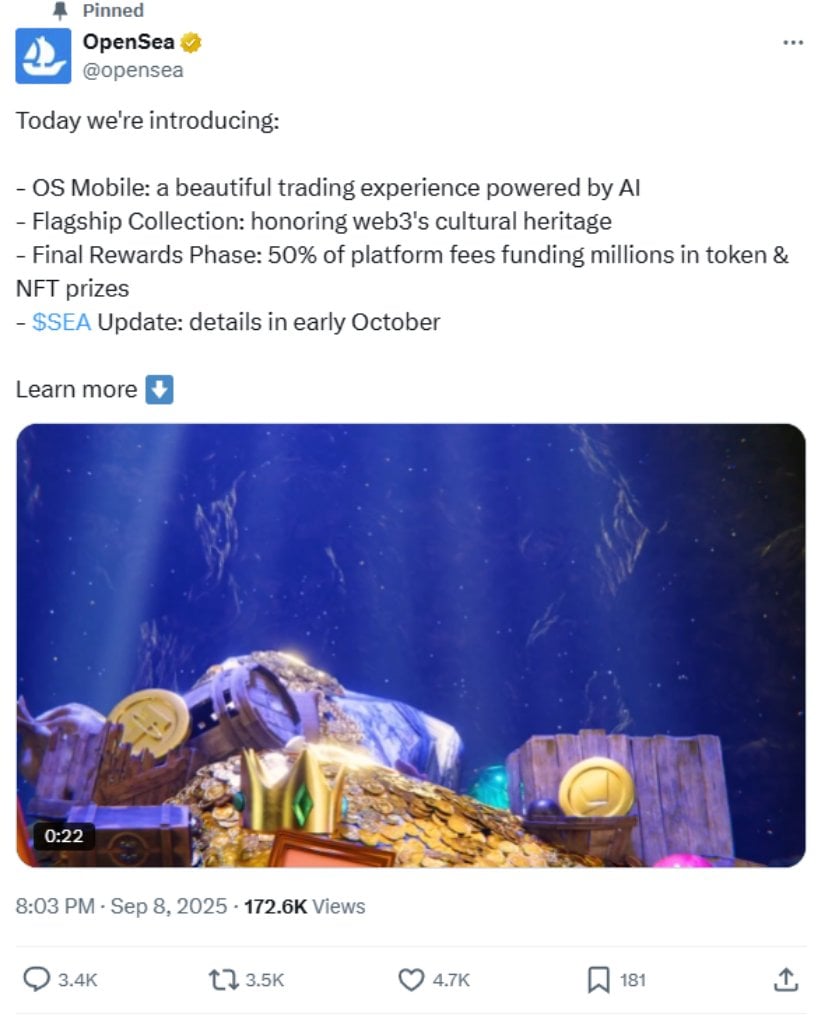
NFT marketplace OpenSea has launched a $1 million initiative to acquire and curate digital art, unveiling what it calls the Flagship Collection. The move, announced Monday, comes as the company prepares for the rollout of its SEA token, a development that has quickly overshadowed the cultural reserve. The Flagship Collection marks OpenSea’s first formal reserve, intended to show NFTs not just as speculative assets but as cultural artifacts. The program will operate under a committee-driven process, with selections made by OpenSea employees alongside external advisors. OpenSea Pitches NFTs as “Building Blocks of Culture” in Flagship Archive According to the announcement, purchases will be announced publicly across the platform’s channels, framed as “acquisition moments” designed to educate and engage collectors. OpenSea says it has implemented strict safeguards to ensure fairness, including internal controls to prevent leaks or trading misuse. Committee members with financial interests in a project under review will be recused from decisions. While a handful of external advisors may provide input, final authority rests with the committee. The first acquisition in the collection is CryptoPunk #5273, part of the original Larva Labs series later acquired by Yuga Labs. The marketplace purchased the pixelated character for 65 ETH, worth roughly $285,000 at the time of the transaction two weeks ago. The company describes the piece, dubbed the “OpenSea Punk,” as emblematic of the outsider and creator ethos that defined the early NFT movement. Adam Hollander, OpenSea’s chief marketing officer, said the initiative seeks to place the work of emerging artists alongside historically important tokens. Over the coming months, the platform expects to purchase one new piece every few days, spanning from rising creators to rare and high-profile collections. The long-term goal is to build what OpenSea characterizes as a “living museum” of digital culture. In a blog post accompanying the announcement, OpenSea argued that NFTs should be viewed as cultural building blocks, comparable to artifacts that document the evolution of digital creativity. “Years from now, we believe people will look back at NFTs as the foundation of digital culture,” the post stated, positioning the Flagship Collection as a permanent archive. The company emphasized that it has no intention of flipping assets for profit. While sales may occur in rare cases, such as concerns about a project’s stability, OpenSea said its intent is to hold NFTs long-term. Knowledge of both acquisitions and potential sales is restricted to a small group of employees bound by strict compliance rules. Despite the initiative’s cultural framing, industry attention quickly shifted to OpenSea’s broader strategy and the anticipated SEA token launch. The Flagship Collection may serve as a symbolic backdrop, underscoring the company’s effort to reassert leadership in an increasingly competitive NFT market. OpenSea, once the undisputed leader in NFT trading, has faced rising pressure from rivals such as Blur and Magic Eden. OpenSea Acquires Rally to Drive Mobile NFT Push Amid Regulatory Win OpenSea previously acquired Rally, a mobile-first Web3 platform, in a move to expand digital asset trading on mobile devices. The deal, announced in July, signals OpenSea’s ambition to build what it calls an “onchain everything app,” integrating NFTs, tokens, and other assets into a single mobile-native experience. Rally’s co-founders, Chris Maddern and Christine Hall, joined OpenSea’s leadership team, with Maddern stepping in as chief technology officer. OpenSea said Rally’s expertise in mobile token trading will accelerate its roadmap. In a post on X, Maddern described the vision as growing the on-chain economy for creators, collectors, and traders, noting that tokens and NFTs should complement each other. The acquisition comes after OpenSea launched its revamped “OS2” platform in May. The update introduced full fungible token trading, support for 14 blockchains including Flow, ApeChain, Sony’s Soneium BSL, and Berachain, and cross-chain purchase functionality aimed at simplifying multi-chain transactions. In February, OpenSea confirmed plans for an SEA token airdrop tied to the OS2 rollout, though no launch date has been set. The company’s latest push follows a favorable regulatory outcome. In February, the U.S. Securities and Exchange Commission closed its investigation into OpenSea, which had begun in 2024 over allegations the marketplace operated as an unregistered securities exchange. OpenSea co-founder Devin Finzer called the decision a win for the NFT community. Industry figures, including Magic Eden’s Chris Akhavan, also welcomed the news as a boost for the sector. Notably, the NFT market has shown mixed signs of recovery. Data from CryptoSlam recorded sales ranging from $115.4 million to $170.5 million between July and August before cooling to $92 million in September

Author: CryptoNews
Early Forecasts Indicate 200x Gains

Early Forecasts Indicate 200x Gains

The post Early Forecasts Indicate 200x Gains appeared on BitcoinEthereumNews.com. Crypto News The crypto market is full of surprises. Some coins rise fast while others fall short of expectations. XRP investors know this story too well. The long wait for major breakthroughs has left many frustrated. Delays with ETF approvals and regulatory hurdles have added to the pressure. But every bear story creates a bull opportunity. Right now, that opportunity is called Tapzi (TAPZI). Analysts are calling it the best new crypto coin to buy now. It is a Web3 gaming project that is turning heads with its unique model. Early investors are already forecasting life-changing returns. Why XRP Holders Are Disappointed XRP was once seen as the bridge currency for global payments. It still holds a strong position in the top crypto charts. But progress has been slow. Legal battles with regulators have drained excitement. ETF rumors have not turned into reality. Even when the price pumps, it struggles to hold momentum. Investors expected faster adoption by banks. They wanted consistent growth. Instead, they are watching other tokens move faster. The disappointment has led to an exodus of investors seeking new opportunities. The Rise of Tapzi in Web3 Gaming: New Crypto Coin To Buy Now Tapzi is one of the few presale projects living up to the hype. It is a GameFi platform that rewards skill, not luck. Instead of relying on gambling mechanics, players compete in strategy games such as Chess, Checkers, Rock-Paper-Scissors, and Tic-Tac-Toe. Click Here to Join the $TAPZI Presale Before It’s Too Late! Winners earn TAPZI tokens. These tokens can be staked, traded, or reinvested into more matches. This is called skill-to-earn. It makes Tapzi sustainable compared to the play-to-earn models that collapsed in the last bull run. The entry price is still very low. Phase One tokens are priced at $0.0035. In Phase Two,…

Author: BitcoinEthereumNews
September 8-14: Key Blockchain Events That Could Shape Market Sentiment

September 8-14: Key Blockchain Events That Could Shape Market Sentiment

Since blockchain market is still dynamic with rapid innovation, the next week of Sept 8-14 features a number of key events in different blockchain projects.

Author: Blockchainreporter
Senate Draft Bill Praised for Developer Protections

Senate Draft Bill Praised for Developer Protections

The post Senate Draft Bill Praised for Developer Protections appeared on BitcoinEthereumNews.com. Senate draft bill praised for the strongest crypto developer protections to date. Proposal clarifies DAO governance, staking, airdrops, and token protections. Draft sets dual oversight with the SEC for securities and the CFTC for commodities. The Senate Banking Committee’s latest market structure discussion draft has received positive initial reactions from cryptocurrency industry leaders. The 182-page “Responsible Financial Innovation Act of 2025” text, released Friday afternoon, contains what experts describe as the most comprehensive developer protection language seen in federal legislation to date. Amanda Tuminelli, executive director and CLO at DeFi Education Fund, praised the draft’s developer protections and called them the best language observed in any previous legislative proposal. Legal expert Gabriel Shapiro highlighted the bill’s improved approach to decentralized governance systems. He also noted that the legislation addresses previous concerns about governance tokens potentially creating securities law complications. Source: X Legislative Framework Addresses Key Industry Concerns Shapiro specifically commended the draft’s handling of decentralized autonomous organizations. This includes blockchain-based governance tokens (BORGs). The legislation limits “disqualifying financial rights” carve-outs to actual securities rather than applying broader restrictions to payment and utility tokens. The bill creates clarity around decentralized governance, staking mechanisms, airdrops, tokenization processes, and self-custody protections. Additional provisions include safeguards for existing non-fraudulent tokens against future SEC enforcement actions and exemptions for decentralized physical infrastructure networks and DeFi protocols. Colin McLaren emphasized the importance of Democratic support for the legislation, arguing that Senate Democrats should prioritize innovation over regulatory constraints. McLaren referenced the potential for building “the next great American startup” rather than enriching legal professionals through prolonged regulatory uncertainty. The Draft Establishes A Dual Regulatory Structure The draft establishes a dual regulatory structure dividing oversight responsibilities between the Securities and Exchange Commission and the Commodity Futures Trading Commission. This framework aims to resolve jurisdictional ambiguity that has…

Author: BitcoinEthereumNews
OpenSea Launches $1 Million NFT Treasury and Prepares for Major SEA Token Drop

OpenSea Launches $1 Million NFT Treasury and Prepares for Major SEA Token Drop

OpenSea, the world's largest NFT marketplace, has announced its most significant transformation since launching in 2017.

Author: Brave Newcoin
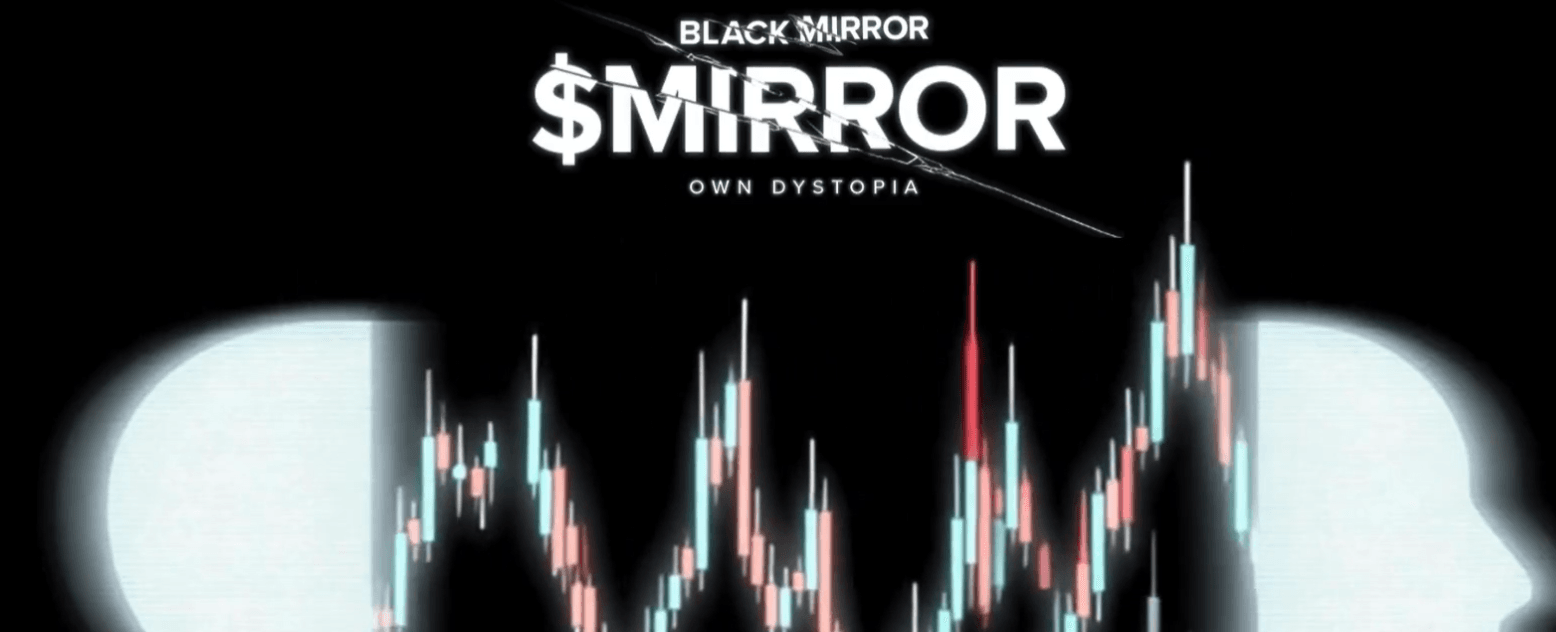
Black Mirror Token $MIRROR Officially Launches: Netflix Meets Crypto?

Black Mirror Token $MIRROR Officially Launches: Netflix Meets Crypto?

The long-awaited $MIRROR token inspired by Netflix’s Black Mirror has launched on Base. With over 400,000 signups, the token enters Web3.

Author: Crypto Ticker
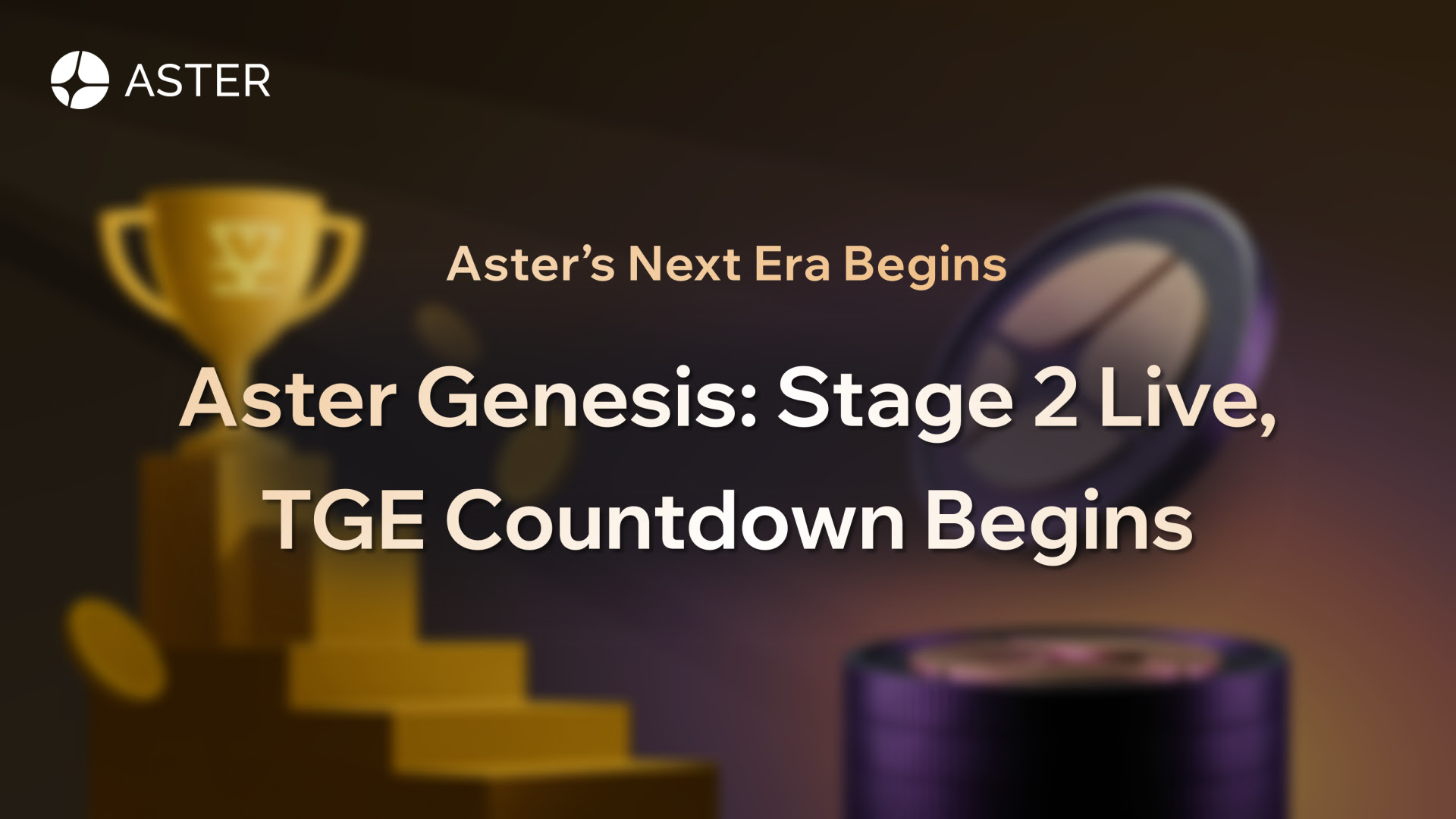
Aster Announces Launch of Aster Genesis as Stage 2 Goes Live, Unveils TGE Date

Aster Announces Launch of Aster Genesis as Stage 2 Goes Live, Unveils TGE Date

Amid efforts to continue to expand its growing ecosystem, Aster, a decentralized privacy-focused perpetual exchange, has announced today the official launch of the Aster Genesis: Stage 2.  While the move has seen the platform confirm the long-anticipated date for its Token Generation Event (TGE), it is set to kickstart its airdrop points campaign. Before this, […]

Author: Coinstats
USDD Launches Natively on Ethereum With Peg Module and Airdrop

USDD Launches Natively on Ethereum With Peg Module and Airdrop

USDD, an algorithmic stablecoin, associated with Tron and its founder Justin Sun, is now live natively on Ethereum, the project said Monday. Tron-Affiliated USDD Expands to Ethereum With sUSDD on Deck According to the team’s blog post, the deployment went live Sept. 8, 2025, after a Certik audit, and includes a Peg Stability Module that […]

Author: Coinstats
Disappointed XRP Investors Flock to This New Crypto Coin To Buy: Early Forecasts Indicate 200x Gains

Disappointed XRP Investors Flock to This New Crypto Coin To Buy: Early Forecasts Indicate 200x Gains

XRP investors know this story too well. The long wait for major breakthroughs has left many frustrated. Delays with ETF […] The post Disappointed XRP Investors Flock to This New Crypto Coin To Buy: Early Forecasts Indicate 200x Gains appeared first on Coindoo.

Author: Coindoo
“Avoid On-Chain Transactions”: Ledger CTO Issues Urgent Warning After JavaScript Attack

“Avoid On-Chain Transactions”: Ledger CTO Issues Urgent Warning After JavaScript Attack

A large-scale supply chain attack on the JavaScript ecosystem has prompted an urgent warning from Ledger’s chief technology officer, Charles Guillemet, who advised users without hardware wallets to avoid on-chain transactions until further notice. On September 8, hackers compromised the npm account of Josh Goldberg, a well-known open-source maintainer known as “Qix,” publishing malicious updates to 18 widely used packages, including chalk, debug, strip-ansi, and color-convert. These utilities underpin much of the modern web and collectively account for more than 2.6 billion weekly downloads, according to npm statistics. Researchers Uncover Crypto-Clipper Malware Hidden in Popular npm Libraries Security researchers quickly found that the new versions contained a “crypto-clipper” malware. The payload works by intercepting browser functions and swapping out legitimate cryptocurrency wallet addresses with attacker-controlled ones. In some cases, the malware actively hijacks wallet communications, modifying transactions before they are signed. The attack was first uncovered after a build error exposed obfuscated code hidden in one of the updated packages. Analysis showed that the malware employed a two-pronged strategy: passively replacing wallet addresses using sophisticated algorithms to mimic the look of real ones and actively intercepting transactions from browser-based wallets like MetaMask to redirect funds. The scale of the attack is unprecedented. Packages such as chalk are downloaded nearly 300 million times a week, while debug sees around 358 million weekly downloads. Collectively, the targeted libraries are embedded deep within the dependency trees of tools like Babel, ESLint, and countless other projects, raising concerns that the fallout could affect developers and users worldwide. In a post on X, Ledger CTO Charles Guillemet described the incident as a “large-scale supply chain attack” and warned that the malicious payload had already reached billions of downloads. “If you use a hardware wallet, pay attention to every transaction before signing and you’re safe,” he wrote. “If you don’t use a hardware wallet, refrain from making any on-chain transactions for now.” Guillemet added that it was still unclear whether the attackers were also attempting to steal wallet seed phrases. The attackers reportedly gained access through a phishing campaign that targeted npm maintainers with emails impersonating the platform’s support team. The fraudulent messages claimed that accounts would be locked unless two-factor authentication credentials were updated by September 10. Clicking the link redirected victims to a fake login page designed to steal credentials. Once in control of Goldberg’s account, the attackers pushed malicious versions of core packages used across millions of applications. Aikido Security, which analyzed the attack, said the injected code functioned as a browser-based interceptor capable of altering website content, tampering with API calls, and rewriting payment destinations without alerting users. npm has since removed many of the compromised versions, but security experts warn that transitive dependencies make it difficult to ensure complete protection. Developers are being urged to immediately audit their projects, pin safe versions of dependencies, and rebuild lockfiles. The attack shows the fragility of the open-source ecosystem, which relies heavily on trust between maintainers and developers. With billions of downloads affected and active wallet addresses linked to stolen funds already surfacing on-chain, researchers are describing the incident as one of the most severe supply chain compromises in the JavaScript ecosystem’s history. Crypto Hacks Surge Past $3B in 2025 as Phishing and Laundering Tactics Escalate The crypto sector is facing its most severe security crisis yet, with hackers stealing over $3 billion across 119 incidents in the first half of 2025, according to new data from blockchain analytics firm Global Ledger. The figure is one and a half times greater than total losses in 2024, placing the industry on track to break annual records. The report shows the speed of these attacks as a new threat. In some cases, stolen funds were moved within four seconds of an exploit, far faster than most exchange alert systems. Nearly 70% of hacks saw funds moved before the breach became public, while one in four had assets fully laundered before any statement or alert was issued. On average, it takes 37 hours for an incident to be publicly reported, leaving investigators trailing attackers who often cash out within minutes. Only 4.2% of stolen assets, around $126 million, were recovered in the first six months of the year. Recent incidents underline the scale of the problem. In July, hackers infiltrated Brazil’s national payment system through provider C&M Software, stealing about $180 million from reserve accounts and quickly routing funds through crypto exchanges. In June, hardware wallet maker Trezor warned of a phishing exploit that abused its customer support system to send fake emails requesting wallet backups. Around the same time, CoinMarketCap and Cointelegraph suffered front-end compromises that pushed phishing pop-ups and fake airdrop promotions to users. Despite the surge in attacks, bug bounty programs continue to show promise. Platforms like Immunefi report more than $120 million in payouts to white-hat hackers, preventing an estimated $25 billion in potential losses. But with laundering times now measured in seconds, analysts warn the industry’s defenses are struggling to keep pace

Author: CryptoNews